Innovation Diary: Why food innovators have broken out of the development kitchen

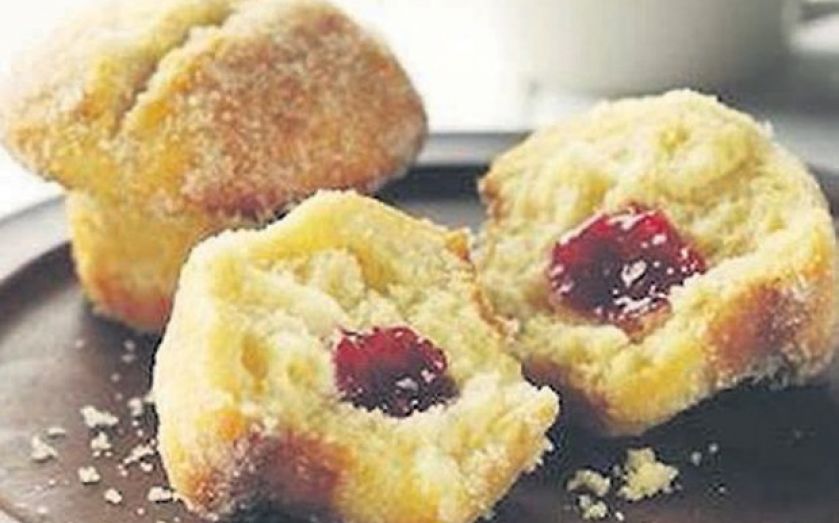
THINK of food innovation and the cronut (a croissant/doughnut) or the duffin (its doughnut/muffin cousin) may come to mind. Such foody portmanteaus – while reflecting the vibrancy of an industry that has weathered the last five years well – can have unpredictable results. Frappuccinos and banoffee pie now barely raise an eyebrow. The pluot (a plum apricot) hasn’t been so lucky.
According to Mintel, there were 47 per cent more new UK food and drink product launches in 2012 than in 2010. This dwarfed the rise in the number of personal care products released over the period – a still respectable 16.5 per cent. New entrants are many: from Camilla Stephens’s Higgidy pies to Mike Brehme’s FruitBroo super-concentrate hot drink blend.
But developing such products, let alone attracting sales, isn’t always hugely rewarding. A report by OC&C found that, for the 150 biggest brands in the industry in 2012, margins fell by 0.5 per cent to a little over 5 per cent. Opportunities for smaller producers, however, may be rising. OC&C expects the minnows to be better placed to benefit from the economic upswing than larger rivals, with advantages of scale eroded. Will Hallyar, partner at the firm, says that “in an increasingly digital marketing environment… small brands are doing a better job of targeting and engaging their core customers.”
There are, however, opportunities for food and drink entrepreneurs beyond creating distinctive products. The Royal Society’s 2012 list of the most significant innovations in the field is a mix of the scientific (pasteurisation), the agricultural (irrigation), and the practical (the knife), for example. You may not be a budding Louis Pasteur, but there are other ways to make money from food.
FOOD TRUCKERS
While product is everything, don’t underestimate organisational innovation. In the US, the food truck is the insurgent trend. Once the preserve of builders’ sites or the edges of motorways, mobile restaurants have taken on cult status.
According to David Weber, founder and president of the New York City Food Truck Association, the number of branded food trucks in the US grew more than seven times between 2009 and 2012, and is projected to double again by 2014. Food truckers are commonly former restauranteurs grappling with high failure rates (25 per cent of restaurants don’t finish their first year). Startup costs are also comparatively low, with the biggest expense the truck itself.
The food truck has come to Britain in some limited form, but the trend has failed to take off. One reason is that street markets are often run by local councils, and the number of available pitches is limited. There are alternatives – and people to help. The Nationwide Caterers Association has good resources on its street food website www.streetfood.org.uk
IMPORT/EXPORT
And don’t think you necessarily need to take to the kitchen. Importing food across national boundaries has a long heritage, and the driver isn’t always culinary experimentation. China, for example, has suffered from scandals over tainted baby food, and entrepreneurs have attempted to fill the gap by importing foreign-made products into the country.
This is an extreme example. But despite strict (and tightening) rules around distributing and labelling foreign food products, there are reasons why importing food may be a growth market of the future. One is the increasing demand for foreign foodstuffs from growing expat communities. Some small exporters will lack the infrastructure or desire to do the leg work in the British market themselves, so may be keen to find a UK-based distributor.
Tom Welsh is business features editor at Morning Wire