Is Opec+ fraying at the edges?

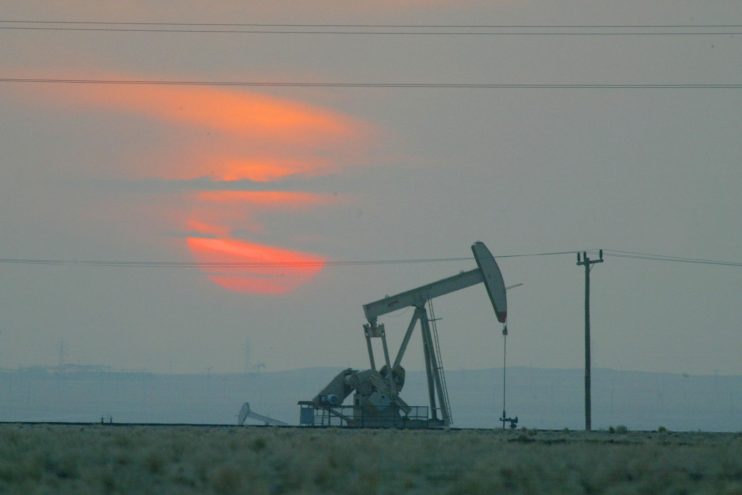
As the Opec summit gets underway in Vienna, there are signs that the consensus about overproduction levels may be fading.
The UAE and other major producers have indicated frustration at the current state of production. They see Saudi Arabia and Russia, two of the world’s largest producers, determining energy policy bilaterally, apart from the rest of the members.
While the Opec+ agreement helped limit the damage facing oil-producing countries this year, it has left some worse off than others. The fear is that, should a more equitable arrangement not be found at this summit, countries may start to abandon the deal.
Should that happen, a managed approach to production levels — a cornerstone of the raison d’etre for Opec+ — is in jeopardy.
Much of the current difficulties can be laid at the door of the coronavirus pandemic. The spread of the disease forced governments to act and impose movement restrictions, hitting demand. The fall from around $50 per barrel to below $20 per barrel in spring triggered Russia and Saudi Arabia to join forces and propose a cut of 10 million barrels per day.
Since then, prices have recovered, to around $40 per barrel. But demand has remained low, especially in North America and Europe. What demand there is has been in Asia, with China and India at the forefront and snapping up cheaper supplies. Moreover, it remains well below the fiscal breakeven price for several of the Gulf states which is around double the current selling price.
By June, production levels had reached their lowest point in nearly 30 years. Over the summer, producers began to ease production cuts. However, the second Covid waves across much of Europe and North America means energy markets remain depressed, with the International Energy Agency recently predicting that overall demand will continue to remain low until late 2021.
With production levels low and likely to remain so, this has already caused discomfort for a number of countries. In the Gulf, it has meant a loss in revenues and economic contractions. Overall, the IMF predicts GDP to fall by six per cent in the Gulf states this year.
Moreover, the most recent estimates in October were poorer than six months ago. Among the countries most likely to be heavily affected are Oman and Kuwait, which are expected to contract by 10 per cent and eight per cent respectively, compared to around five per cent for Saudi Arabia and Bahrain.
The loss of income is having a sizeable impact in terms of public spending, in the form of public services and public sector salaries. Governments are facing the dilemma of cutting expenditure, running down their foreign reserves, borrowing more, or raising revenues elsewhere.
Saudi Arabia has made use of its foreign reserves, which since 2014 have fallen from $2.8 trillion to $1.7 trillion, while also tripling its value-added tax. The UAE’s federal government is undertaking a restructuring and rationalisation of its public sector, merging ministries and cutting workers. Oman, meanwhile, may be about to introduce a personal income tax, a first among the Gulf states.
The loss of revenue is not solely limited to immediate concerns. Less money today means less money for tomorrow and more pressure for the Gulf states to diversify their economies away from oil and gas. The fall in oil prices has reduced the Saudi budget for such projects while also impressing the importance of recent legal changes made in the UAE to allow more flexible visas and foreign ownership of businesses, to attract foreign investment.
The threat to current and future revenues and planning illustrates the wider challenges facing oil producers. Opec’s strength has waxed and waned over the years, with greater unity contributing to consensus on production levels and higher oil prices and revenues, however a perception that two major actors are taking major decisions away from the rest of the group may harm said unity.
After 2000, Opec became more coordinated and prices rose to over $100 per barrel. But following the 2008 financial crisis, demand fell, and with it, both prices and collective harmony. Saudi Arabia began increasing production in a quixotic bid to squeeze out more costly American shale producers. Russia, meanwhile, found itself struggling due to western sanctions imposed on it after its annexation of the Crimea.
It was at that point, with prices falling and revenues at risk, that these two competitors came together. They recognised the need to work together rather than apart. However, other Opec+ members appear unlikely to keep their concerns quiet for much longer.
Main image credit: Getty