It is vital that lenders understand the personal impact of the coronavirus pandemic

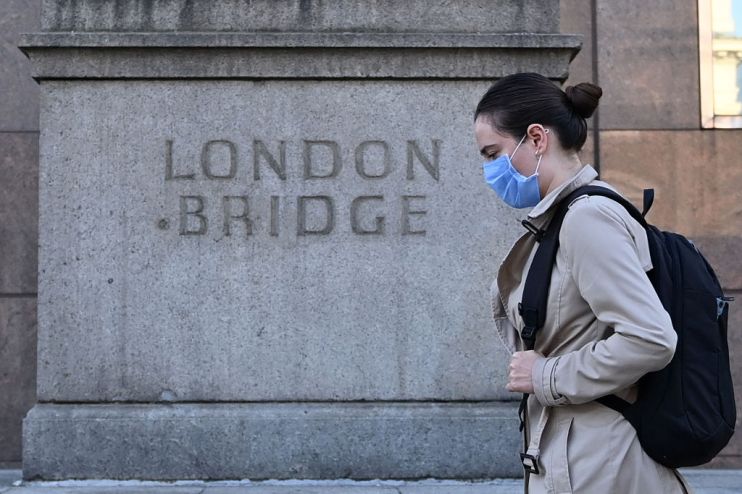
Our capital city is expensive. Many of us rely on credit to make ends meet here.
We are also a city made up of renters, recent immigrants, gig workers and young professionals – many of whom will, through no fault of their own, struggle to access credit. They are invisible to lenders and therefore denied the opportunity and freedom that credit provides.
Pre-pandemic, credit demand was higher in London than anywhere else in the UK, yet acceptance rates were lower, at just 51 per cent versus 69 per cent elsewhere.
Research run by Aire in February showed us that one in five Londoners struggled to keep up with payments – twice the national average. Six months on from the start of lockdown, we do not need to repeat the research to know that these figures are rising.
The support packages put in place by the UK government have been for the most part a help to Londoners. Credit where it is due, consumers have responded more prudently to this downturn than in 2008. We have made fewer high cost purchases and, for those who can, used this time to pay down debt, perhaps in anticipation of harder times to come. As the furlough scheme wraps up in October, unfortunately that wave will follow.
If unemployment reaches 10 to 15 per cent as anticipated, many more Londoners will fall into financial difficulty. Underemployment (working inadequate or reduced hours), particularly given our high number of gig workers, will reduce disposable income and affordability for many more.
For lenders, the problems are three-fold. First, the effect on borrowers is highly unpredictable. Some will be slammed, blown towards default. Others may be spared. It depends very much on the sector they work in, their personal circumstances and their luck.
Second, the usual tools in place for lenders to assess their customers are no longer helpful. When financial situations are changing daily, traditional data sources are not useful indicators of creditworthiness or affordability, taking months to report change or to record defaults. They are just not dynamic enough.
Third, the regulator will quite rightly hold lenders to account over their treatment of consumers during this time. Lenders have a moral responsibility towards their customers – it is not good enough for them to turn their back and brace for default. The regulator is right to push for better here.
So how can lenders get a handle on this?
They must undertake to access the most real-time view of their customers possible: the full story, the holistic picture, the truth. Only this will enable lenders to treat each customer fairly as an individual, and take the steps necessary to support them in their time of need.
Work, skills, education, housing and relationship status, to dependents and depth of savings, as well as real-time affordability and level of engagement with the lender are all now vital insights that are needed to navigate today’s reality.
They can do this, compliantly and at scale with first-party data. Coming not from traditional credit reference agencies, or from social media, first-party data is both unique and powerful in offering lenders the most relevant view of their customer imaginable – and with full consent from the consumer.
This is not a quick fix alternative for lenders. First-party data, done right, stands to upgrade the credit ecosystem by shifting the balance in favour of the consumer. A more equitable co-design if you will, that will benefit everyone, for the long-term.
In the months that follow, lenders must focus on watching their losses rather than planning for recovery.
Recovery will come. But it is how consumers are treated now that they will remember.
Because lenders that choose to prevent, anticipate and understand their customers will be held in higher regard in years to come by both the people they serve and the regulator they answer to.
Aneesh Varma is founder and CEO of London-based fintech Aire.