‘It’s existential’: Unpacking a looming tax scarier than the National Insurance hike


For William Fugard, chief executive and co-founder of Gusto Organic, headaches caused by issues beyond his control are an occupational hazard.
The terms on which the UK decided to leave the European Union meant that – in 2019 – the cost of exporting a pallet of his firm’s premium soft drinks went from £70 to £300 almost overnight.
Then, having successfully shouldered those export costs and dealt with the painful energy price shock sparked by Russia’s invasion of Ukraine, the last 12 months have dealt Fugard with an 80 per cent hike on the price of his drinks’ premium ingredients.
Finally, just three weeks ago, his manufacturing plant told him it would be raising its prices by 18 per cent largely because of the employer national insurance (NICs) hikes coming into force in April.
“Every aspect of what we do is under attack,” he tells Morning Wire. “Everything has gone up.”
But the biggest threat posed to Gusto – one Fugard brands, somewhat forlornly, as “existential” – isn’t down to the inflationary nature of two years’ worth of febrile geopolitics – and nor is it due to last Autumn’s Budget.
The the real concern the entrepreneur – who set up Gusto with Green & Black’s grandee Craig Sams in 2012 – stems from something that appears far more innocuous: the glass bottles he stores his drinks in, and the way those bottles are about to be taxed.
Come October, Gusto – and all UK-based producers of goods – will be subject to a new levy known as the extended producer responsibility for packaging (EPR). Applied to all forms of packaging – from cardboard boxes to plastic containers – the new tax aims to get the producers of recyclable waste to pay for local authority services.
All in all, the scheme is expected to raise £1.6bn annually, the proceeds from which will be dished out to the cash-strapped local councils that are currently responsible for carrying out – or more usually subcontracting – recycling in Britain.
The scheme has been hailed by some – including Labour donor Dale Vince – as an important way of encouraging UK producers to use less packaging or switch to materials that are less environmentally damaging.
Vince, the Ecotricity founder and environmental campaigner, told Morning Wire that putting a price on packaging was crucial if we are to effectively “reduce the amount of pollution we have, and waste we need to dispose of”.
But to the thousands of businesses on which the levy will be imposed – particularly those, like Fugard’s Gusto that use glass – this acts as another painful headwind after consecutive years of difficult domestic trading.
“It’s going to be horrifically inflationary for us,” the founder says. “On top of everything else, our manufacturers have been trying to come after us for a 5p a bottle increase in what they charge, which would extrapolate out to more for the consumer. The trading condition is really unpleasant.”
Producers like Gusto will be among the worst affected by the levy due to the manner in which charges are applied on packaging materials based on their weight.
In an attempt to discourage excessive plastic use, the levy on the hard-to-recycle and single-use material is expected to be twice that of glass. And yet, because glass packaging of equivalent items is roughly seven times heavier than plastic or aluminium, it nets out as over three times more painful for glass packaging producers.
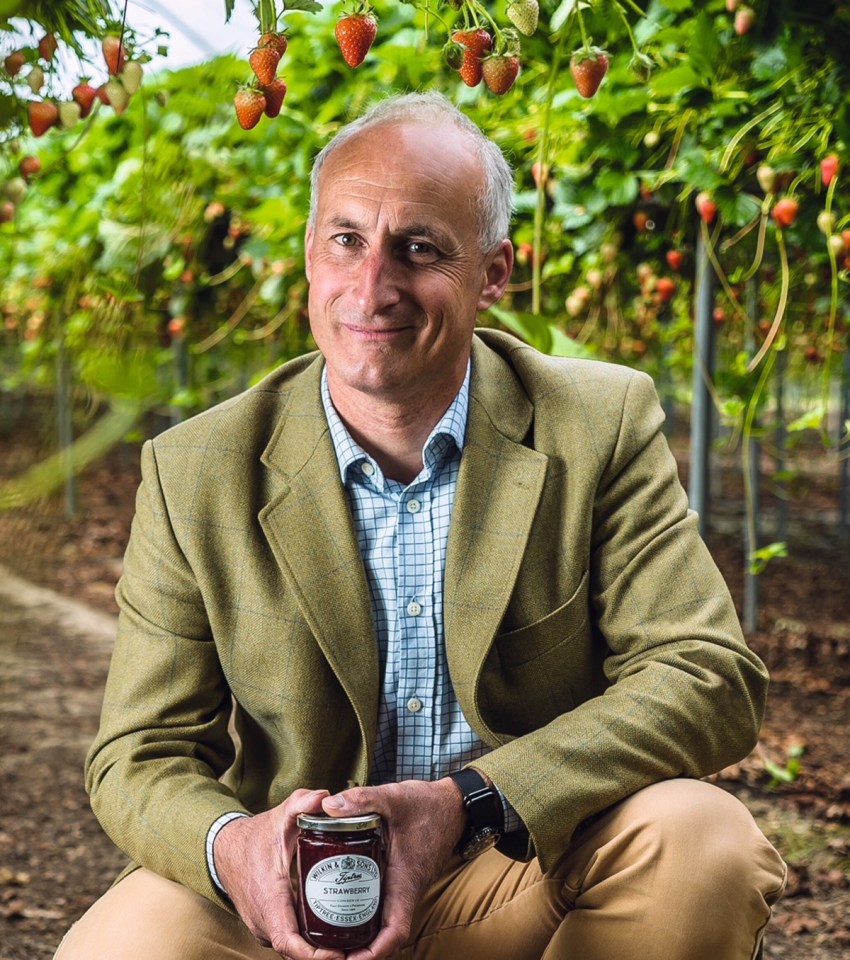
“We’ve got a situation where glass, which is the least offensive packaging format on the planet, and easiest to recycle, will be taxed more than plastic,” Fugard says.
Across a business, those seemingly small 5p a bottle – or jar – increases add up. Wilkin & Sons the 140-year-old jam maker in Essex, estimates the levy works out as a hit of £1m a year, the same as this month’s hikes to employers’ National Insurance and the minimum wage combined.
“It’s a punitive tax on us,” Chris Newenham, the group’s joint managing director tells Morning Wire. “Along with NICs and living wage, these are very hefty slugs for us to content with.”
Several industry bodies have been quick to warn that these added costs on businesses will mean one thing for consumers at the till: higher prices.
The British Retail Consortium (BRC) estimates that as producers pass the cost of the tax on to their retail partners, its sector will be faced with a bill of over £2bn a year. And given the costs many retailers will have already had to bear in the preceding months, with business rates combining with the aforementioned NICs and minimum wage, there isn’t much more fat they can cut.
“Although businesses will take on the brunt of the costs, they will have to pass that onto consumers,” says Andrew Opie, the BRC’s head of food and sustainability. “Retailers absorbed all the cost rises they could during the periods of high food inflation, and with other costs they’ve been burdened with in recent months, it [EPR] will go on prices.”
Quite aside from the profound impact it will have on firms’ bottom lines, there are also concerns about whether the EPR will work in the manner intended and what happens to the companies who fall foul of not improving recycling rates.
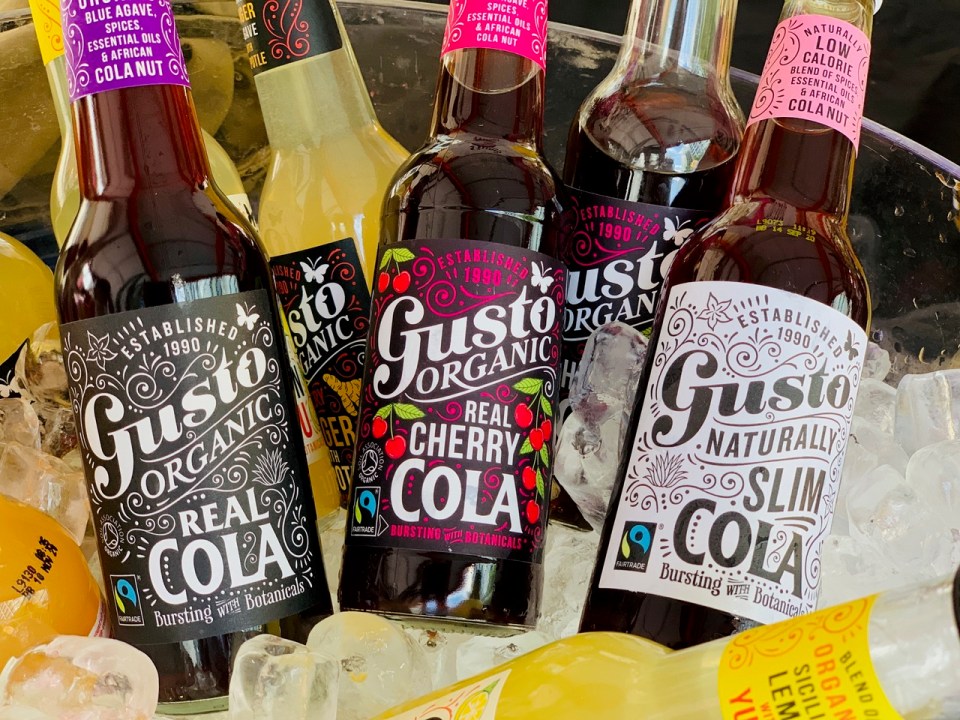
The Food and Drink Federation (FDF) wants to see a different version of the policy introduced which gives producers a greater say in the improvement of our dysfunctional recycling system,
“Producers will be handing the money to local authorities… but at the moment, producers don’t have the strategic levers of control to drive improvements in those recycling rates,” the lobby group’s head of policy Cat Hay tells Morning Wire. “That’s despite the fact the producers are the ones that are legally responsible for hitting the recycling targets that are set out in the EPR.”
While the FDF wants to see its members have more control, the BRC is calling for a delay to the ERP’s rollout. A stay of execution would, Opie says, stagger the procession of cost hikes on the retail sector in a more manageable way while also preventing a situation whereby “the plane is being put together while in mid-air”.
In the meantime, firms like Wikin & Sons and Gusto are already weighing up what they can do to minimise the levy’s ill effects. For Newenham, that means looking at the cost-benefit of using more plastic in their packaging, a move that would break with a 140-year tradition of storing his firm’s jams and sauces in glass.
That switch isn’t an option Fugard, however. Gusto’s main selling point versus its competitors is its use of natural and organic ingredients. Plastic bottles would fall foul of the unstintingly high bar by bodies like the Soil Association set for firms to call a mass-produced product organic, because of the risk of chemicals leeching into their fizzy drinks.
The firm will therefore likely move its manufacturing plant to Europe, where aluminium cans – prohibitively expensive in the UK – are a quarter of the price, and where EPR “won’t touch us”. “Is that really a good outcome?” the entrepreneur adds.
But it is the risk of what EPR will mean for future innovation and wealth creation in his sector that has Fugard especially downbeat.
“This country is fantastically good at food and drink and there are countless examples of where the UK has developed brands to become a global force.” he says, citing Fever-Tree and its recent decision to offload 8.5 per cent of its business to Molson Coor for $88m (£67m).
“But the EPR and its inflationary impact means that you would have to be a crazy person to go into a business involved in manufacturing at the moment. And that’s really sad.”