It’s time to revisit Bank of England independence

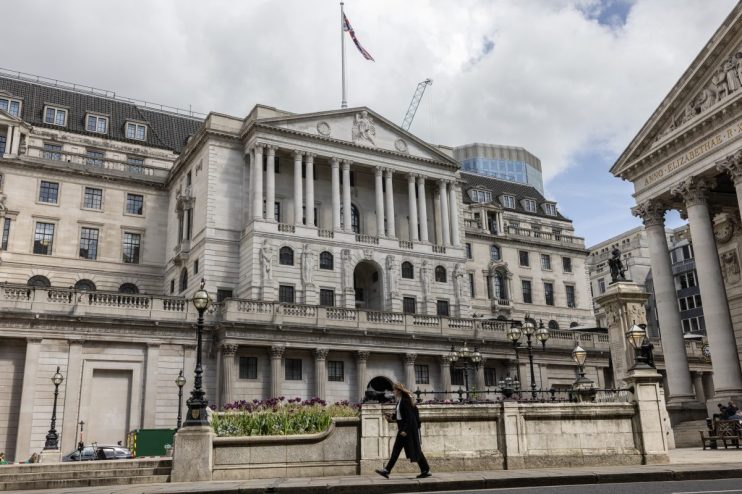
Independence should not mean the Bank of England is shielded from government scrutiny and accountability to the public, says Damian Pudner
Last week, a striking disclosure by former prime minister Liz Truss reignited the debate on the delicate balance between political authority and the operational independence of central banks – a topic with profound implications for taxpayers and the economic stability of the UK. Truss’s surprising admission that she considered dismissing Andrew Bailey, the Governor of the Bank of England (BoE), has once again raised questions about the robustness of the independence afforded to such pivotal institutions.
This revelation rekindles the debate about the independence of the Bank owned by the government since 1946 and the necessary mechanisms required for the thorough oversight and accountability of its actions. Granted ‘operational independence’ in May 1997 by the then-Labour Chancellor Gordon Brown, the BoE was given the authority to independently set interest rates to achieve an inflation target specified by the government.
Central bank independence is essential; it protects the country’s monetary policy decisions from short-term political interference and prevents the BoE from becoming a pawn in electoral strategies – particularly crucial in an election year – which could lead to dire economic consequences. This autonomy is supported by a robust institutional framework and explicit legal mandates, enshrined in the 1998 Bank of England Act, which also ensures the democratic accountability of the BoE to Parliament.
The independence of the BoE is crucial in managing inflation effectively by adjusting interest rates based on economic data, rather than yielding to political pressures. This approach is vital for avoiding the pitfalls of time inconsistency in monetary policy, a strategy that has served the BoE well during periods of low and largely stable inflation. Furthermore, the competence and credibility of the BoE are indispensable in controlling inflation expectations and form the bedrock of a successful independent central bank.
However, the onset of the Covid pandemic changed everything. The extensive (and arguably unwarranted) use of quantitative easing in 2020 – the nuclear option of unconventional monetary policy – which saw £450bn pumped into the economy, has rightly come under intense scrutiny for its significant role in driving up inflation. Additionally, the BoE’s rush to unwind these policies through quantitative tightening – offloading the bonds bought during QE operations – has raised considerable concerns about the financial impact on UK taxpayers and government finances. Remember, the Treasury indemnified the BoE against any losses on its QE portfolio holdings, with the latest BoE estimates suggesting that cumulative net losses could amount to between £50bn and £80bn over the lifetime of the scheme.
Furthermore, a recent independent review conducted by Ben Bernanke, the former chairman of the Federal Reserve, criticised the BoE’s inflation forecasting for “significant shortcomings”, “deficiencies” and “makeshift fixes”.
Therefore, it is important that independence of the BoE does not shield it from government scrutiny and accountability. Addressing these issues without undermining the BoE’s autonomy is essential – no reasonable observer would advocate for returning monetary policy decisions to the Chancellor, with the BoE relegated to an advisory role. It would be better to propose amendments to the 1998 Bank of England Act to establish explicit consequences for significant or prolonged deviations from its mandated objectives. Such amendments would serve as both a deterrent and a corrective mechanism. These reforms could potentially include the removal of the governor or members of the Monetary Policy Committee (MPC), enhancing the accountability of the BoE and ensuring its actions align with government economic goals, thus mitigating the impact on the cost of living and addressing the broader economic challenges facing UK households.
As the UK confronts new global challenges, including escalating geopolitical tensions and a growing trend towards protectionism, the independence of the BoE becomes ever more crucial. Accordingly, it is vital to enhance its accountability framework through updated legislation. Implementing clear penalties for collective failures, refining regulatory frameworks, and promoting open dialogue between the BoE and the public are essential steps. These measures will not only bolster the credibility and operational effectiveness of the BoE but will also rebuild public and political trust in its ability to safeguard the economic and financial stability of the UK amid an increasingly unpredictable global environment.
Damian Pudner is the Director of the Institute of International Monetary Research