Jeremy Corbyn’s renationalisation agenda would be disastrous for consumers

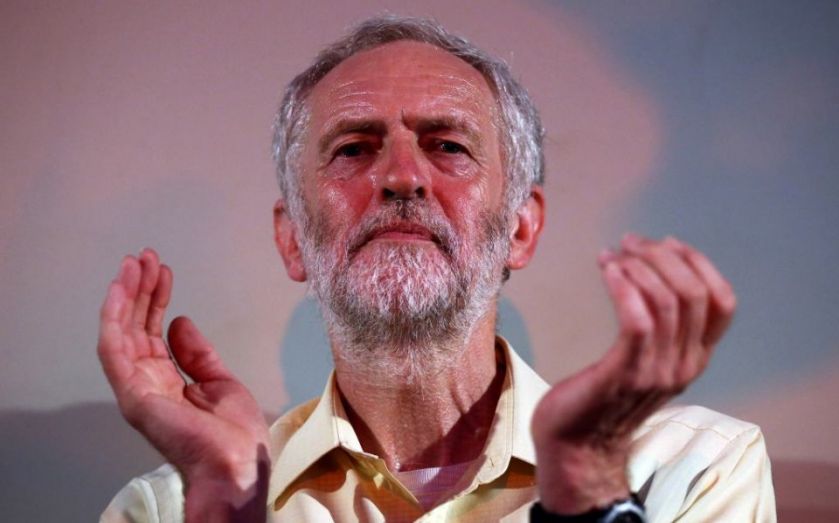
Labour leadership contender Jeremy Corbyn has called for a “public debate” about renationalisation, in particular of the railways but even of energy firms. As with others occupying the left wing of UK politics, his logic seems to be: “these industries were privatised, prices have gone up in these industries, ergo privatisation has caused high prices and bad outcomes for consumers”. Worryingly, this delusional analysis is apparently popular. Polling carried out for the CLASS think tank shows that the public overwhelmingly support renationalisation of the energy sector, by 68 per cent to 21 per cent.
Corbyn’s own burgeoning popularity means that those who recognise the folly here need to stand up and state clearly: renationalisation would be a disaster for consumers and for the public finances. Plus, it would do nothing to address consumers’ real concerns.
Take the railways. For a start, most indicators, including passenger numbers, suggest public disdain for this notionally privatised industry may not be as great as Corbyn suggests. Any renationalisation would also come at significant public cost – because of the need to buy the assets and fund the industry’s day-to-day running (not to mention the longer-term effects of less competition).
Putting this aside, there is still no evidence that eliminating the profit motive would enable lower prices for consumers. Train operating companies have relatively modest profit margins – estimated to be just 3 per cent. So even if you subscribe to the wrong-headed opinion that profit is extortion, rather than what it is – a return – the “savings” from no longer paying out dividends to shareholders would not be large enough to fund a significant reduction in fares. Renationalisation would therefore likely come with more state subsidy to lower fares – something that would be highly regressive: almost 60 per cent of spending on rail fares is currently undertaken by the richest 20 per cent of households.
The geography of the railways and politically-motivated investment in expensive and uneconomic new infrastructure are far more important in explaining structurally high UK rail fares than “privatisation”. All renationalisation would do is risk the little innovation we do see in the current framework.
A similar story can be seen in energy. Corbyn says he is “looking at the whole question of the energy industry, the excessive profit-taking of the ‘big six’”. But claiming renationalisation will be good for consumers is ignorant of our own history.
Prior to liberalisation and privatisation, vested producer interests in the coal industry ensured that consumers were unable to benefit from the substitution of expensive coal for cheap natural gas. Later, state planning dictated a nuclear programme that is probably one of the most expensive government project disasters in history. It was only the liberalisation and privatisation of the sector that enabled lower prices. Between 1990 and 2004, following the privatisation process, the average annual gas bill fell by 16 per cent and the average annual electricity bill fell by 25 per cent.
Now it’s certainly true, and well documented, that prices since then have risen significantly. This has mainly been driven by rising international wholesale prices. But this period has also seen a huge increase in state control and regulation of the sector – not least through the green agenda and regulations on tariffs (which the recent Competition and Markets Authority report recommended overturning).
In both the rail and energy sectors, the industry structures and regulatory frameworks could be significantly improved to facilitate more innovation and lower costs. But it’s unclear what renationalisation would achieve – other than even less entrepreneurial activity in these sectors, and the return of powerful vested interests holding consumers to ransom.