Labour has given in to the blockers on planning reform

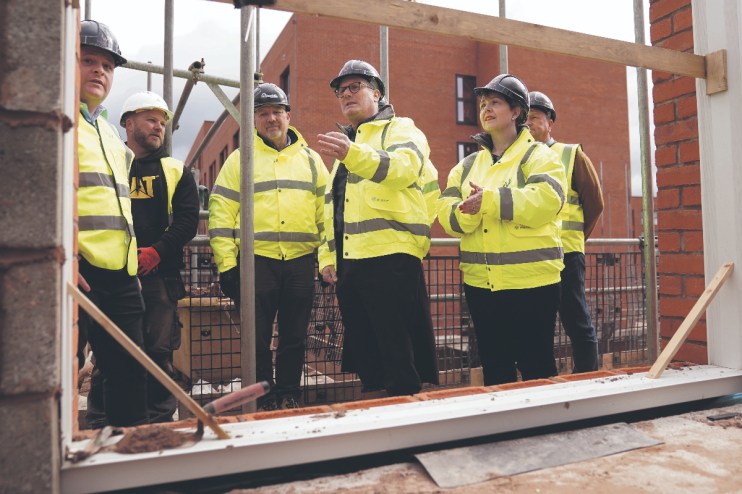
Labour has watered down its Planning and Infrastructure Bill, putting new housebuilding – and Britain’s growth prospects – at risk, writes Will Prescott
The Starmer Government often boasts that it is on the side of the “builders not the blockers”. Unfortunately, the recent watering down of its key Planning and Infrastructure Bill risks calling that claim into question.
Under Part III of the Bill, as originally drafted, developers would have paid into a Nature Restoration Fund. These funds would be spent according to Environmental Development Plans (EDPs) drawn up by Natural England, which would outline the conservation steps necessary to offset any environmental damage caused by the development. The EDPs could cover several developments at once, allowing for a more holistic approach to nature protection.
Crucially, the proposals would have allowed most development to go ahead before specific mitigations had been detailed. This would simplify the existing regime, which typically requires developers to demonstrate how they will offset environmental harm to the specific construction sites. This not only creates unnecessary paperwork – one environmental impact assessment ran to 44,000 pages – but its disjointed site-by-site approach to mitigation has produced absurd outcomes, like the infamous bat tunnel.
Backlash from nature groups
Predictably, these changes triggered a considerable backlash from powerful nature and wildlife groups – one joint letter signed by the heads of 32 such groups claimed the Bill “throws environmental protection to the wind” – who argued that it effectively allowed developers to buy the rights to sidestep environmental protections and trash the countryside. It also attracted the ire of some Labour MPs, such as Chris Hinchliff.
Sadly, in response to this pressure, the government, as it has on winter fuel payments and PIP reforms, backed down. Under the amended Part III, the EDP requirements will be tightened, forcing them to specify the “anticipated sequencing of the implementation of conservation measures” and the timeline for implementing them. In some cases, this will bring back the need for mitigation plans to be in place before construction can begin, inevitably slowing it down.
This is problematic for three reasons.
First, this additional regulatory burden is difficult to justify given the relatively modest impact housing has on British biodiversity. Less than nine per cent of England’s land area is built on, meaning that it is unlikely that new housing or transport projects will degrade large areas of the countryside. Even if we accept the claim that slightly more environmental damage would have occurred under the original proposals, which is far from clear given the problems with the existing regime, this needs to be weighed against the need to address the UK’s well-publicised chronic housing shortage.
Less than nine per cent of England’s land area is built on
Second, this additional red tape further reduces the chance of achieving the government’s goal of building 1.5m new homes this parliamentary term. This target is already under pressure amid falling house construction – new house starts in 2024 were 29.5 per cent down from the previous year.
Finally, any watering down of planning reform risks sacrificing one of its few levers to easily boost economic growth, another of the government’s key missions. In March this year, for example, the OBR estimated that the Government’s planning reforms would add £15.1bn to GDP. As the Chancellor herself noted, this represents the “biggest positive growth impact that the OBR have ever reflected in their forecast, for a policy with no fiscal cost”. Given the current parlous state of public finances and economic stagnation, such levers must be pulled.
This is not to say that all good has been removed from the Bill. Welcome reforms to streamline the approval processes for nationally significant infrastructure projects, for example, remain in place – at least for now. However, it is a disappointing step – one that risks putting the blockers back into the driver’s seat.
Will Prescott is senior research fellow at Bright Blue think tank