Labour MP: Social media ban risks locking young people out of learning

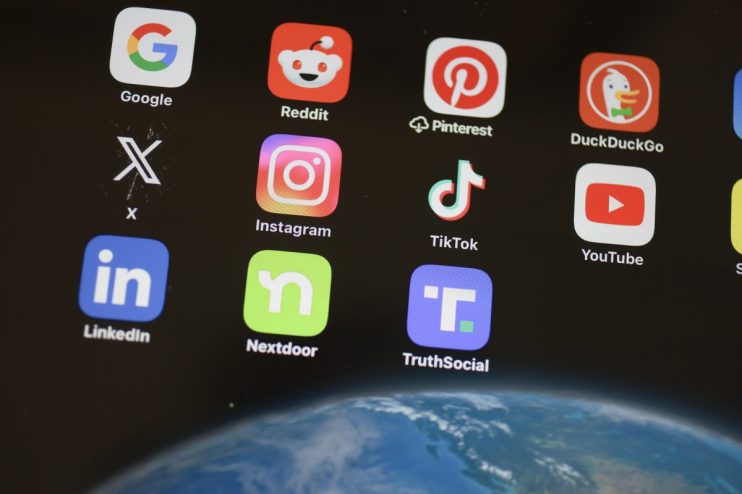
High-quality, creator-led video content is a valuable resource; it is not the same thing as social media consumption. Any legislative intervention has to be capable of recognising this distinction and the scale of our concern should not be an excuse for blunt solutions, says Feryal Clark
Digital creators are trailblazers of a revolution; one that is reshaping how knowledge is shared, communities are built, and young people find their place in the world. In this, young people are underestimated when we treat them simply as passive consumers. They are using online content to learn, create, build and stretch their understanding.
Young people use it to learn instruments they cannot afford lessons for. They discover careers and industries they may never otherwise encounter. They gain access to knowledge and opportunities that are not evenly distributed across the country. They work through a difficult concept and study at their own pace. They find communities they cannot access elsewhere. Education and social mobility are not just about qualifications – it’s about exposure, aspiration and opportunity. Digital creators are at the heart of this.
The action we take around children’s online safety will be one of the most important of our time. The harms that have driven this debate are real, serious and deserve action. But as the government finalises how it chooses to intervene, legislation risks becoming dangerously unbalanced. The question is not whether we should protect children online. Of course we should. The question is how we do this while preserving access to the educational resources, communities, opportunities and sources of inspiration they draw on. The government has yet to answer these, as well as this: what do young people lose if we get this wrong? This is the challenge before the government and is also the standard by which any action should be judged.
Educational content
Digital creators are producing content that young people genuinely value: content that educates, informs, builds community and supports wellbeing. This is woven into how they learn and connect. Any intervention must not simply be defined as what it is trying to stop. It must also account for what young people stand to lose.
Any restrictions brought forward by the government can’t jeopardise young people’s access to some of the phenomenal educational resources that exist. We must protect children from harm, but we must also protect their access to communities, educators, and voices that support them. At a time when young people are looking for opportunities, skills, insight, inspiration and direction, we should refuse to close off access to resources that actively help them build confidence, discover future options and navigate an increasingly complex world.
In recent months, the Digital Creators All Party Parliamentary Group, which I co-chair, has taken evidence from creators across the country. We heard from creators in fields from maths, biology and languages, to music, art and sport. Their content is helping young people study and develop. They directly informed the recommendations we’ve made to the government that need to be responded to in any action.
Among many other things, many digital creators making long-form, high quality educational and information content are bridging a significant gap for many young people who cannot afford private tutors, who need additional support beyond what the classroom can provide, or who simply learn better through diverse visual and conversational formats. They are providing support and access to expertise that young people cannot easily access elsewhere. As just one example of the impact of this, many teachers across the country consistently direct their students to this content to support revision and consolidate learning, including now, when GCSEs are well underway.
High-quality, creator-led video content is a valuable resource; it is not the same thing as social media consumption. Any legislative intervention has to be capable of recognising this distinction and the scale of our concern should not be an excuse for blunt solutions. Failing to recognise this means removing opportunities, support and sources of learning from young people at precisely the moment they need more, not less, support to grow confidence, skills and opportunity.
This is the issue of our era and we have to get it right. Our present – and our future – won’t wait. Young people will still live in and inherit a world being reshaped by technology; the challenge is helping them navigate it safely, not shutting them out of the very spaces that are helping to positively create it too.
Feryal Clark is MP for Enfield North and co-chair of the Digital Creators APPG and former digital minister