Labour policy is making it harder to sell a flat in London

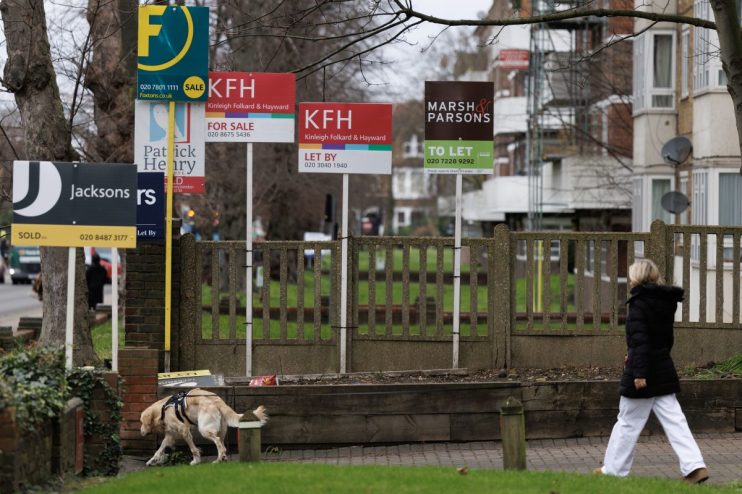
Lowering the threshold for Stamp Duty and locking out first-time buyers at the same time as introducing legislation that makes it economically nonviable to be a landlord has led to a glut of London flats on the market, says Simon Gerrard
Londoners were the most likely to have lost money when selling their property in 2025, and 90 per cent of these loss-making properties were flats, according to new research from Hamptons.
The news might make some buyers question whether there’s something wrong with flats and whether they should steer clear of them. Of course, there isn’t – they’re a necessary part of living in a dense, modern city. The current issues facing the flat market are almost entirely attributable to short-sighted economic decisions by the Labour government and could be easily fixed.
While reports of high service charges and ground rent increases may have deterred some buyers, the high service charges mainly related to buildings affected by the cladding scandal. Ground rents have now also been addressed, and every type of property comes with potential risks, which is why proper due diligence is always necessary when purchasing.
At any rate, Londoners are more than aware how expensive a house in the capital is and it’s well-understood that flats are the only realistically affordable option for most at the start of the ladder. There are plenty of would-be buyers for flats, but the market is dampened thanks to two key issues.
Firstly, the decision to end the increased threshold for Stamp Duty relief for first-time buyers, from £425,000 to £300,000, disproportionately hurt London buyers, as did the removal of Help to Buy. Property in the capital is significantly more expensive, so buyers purchasing a £425,000 property – which is lower than the average price of a London flat in 2025 – must now pay over £6,000 more than before in stamp duty, cutting deposits and reducing purchasing power. Combined with the elevated interest rates of 2025, many would-be first-time buyers have been simply locked out of the market altogether.
Secondly, successive government measures have made it economically unviable for many to rent out a property, triggering a landlord exodus ahead of the Renters Rights Bill taking effect in May. Normally sellers are also buyers, but not for landlords which means the government has caused a surge in supply just after constraining demand. Even worse, the shortage of rental properties is also driving the cost of renting up, making it even harder to save for a deposit.
Basic economics
This is basic economics of supply and demand. The disastrous results of these policies were easy to foresee, and the government was clearly warned this would happen. Sadly, it is London’s young working people who will suffer most, despite overwhelmingly supporting Labour in the last election.
That said, the repercussions are also being felt across the entire housing market and wider economy. With many flat owners facing an unnecessary loss on their property, they must wait to sell and are unable to move up the housing ladder to start their families. This has a knock-on effect across the market, slowing transactions and depressing house prices. This also hurts the wider economy because transactions stimulate other activity such as legal services, surveying, refurbishments and retail purchases to decorate homes.
These current troubles in the flat market can easily be reversed, but decisive action is quickly needed. The government needs to stimulate more demand by providing greater support to first-time buyers or reducing their stamp duty payments. It’s widely accepted that stamp duty is a regressive tax, and it was hoped that steps would be taken at the last Budget to address it, but the Chancellor missed this golden opportunity.
Now the market is gummed up, and Reeves needs to change course to reverse the damage and encourage growth. If financial constraints mean the government is not willing to abolish or reduce stamp duty, then it should at least consider reversing it so that the seller pays. At least first-time buyers would then be spared, and those looking to move up the ladder wouldn’t be as heavily burdened.