Labour’s faulty rent control plans reflect the shallowness of UK politics today

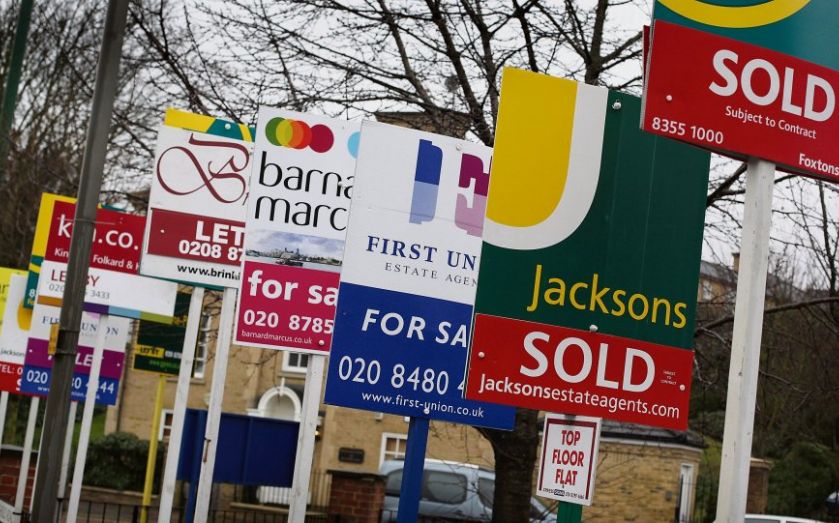
WHY DO politicians advocate policies which deal with the symptoms of problems rather than the underlying issues directly? In the past week we’ve seen Liberal Democrats react to expensive childcare by pledging to roll out “free” care for all two year-olds, which they say will help struggling families. George Osborne, meanwhile, has promised to cap rail fare increases in a bid “to help hard-pressed commuters”.
The key problem in both childcare and rail is that the costs of providing the service have become too high and are passed on in higher prices. Rather than undertake the rigorous thinking into what features of these markets have led to this situation, the politician’s quick-fix is to simply transfer part of the cost from user to taxpayer. Struggling families might see their out-of-pocket childcare costs fall and thank their lucky stars that rail fare increases were lower than expected. But their tax bill may well go up to afford them this luxury.
It is surely obvious why politicians play this game. The public are rightly concerned about a high and rising cost of living, and the advantages to certain interest or voting groups of new subsidies or government-controlled prices are clear. Politicians are therefore able to explain clearly what they have done for “working families” and “commuters”. Yet the costs of the policies – higher taxes and the economic distortions created by the interventions – are either dispersed or less obvious. Politicians can thus be seen to be “doing something” and reap the political payoff, when they are doing little to solve the problem.
Nowhere is this more obvious than in housing. We have overwhelming evidence that there is a shortfall of homes relative to demand of around 2m. Almost all the academic evidence suggests the key reason for this is the UK’s planning laws. Yet the supposed solutions to our housing crisis have been the coalition’s state subsidies for mortgages within Help to Buy and Labour’s proposed tenancy rent controls.
The latter is a prime example of the phenomenon of “symptom treatment”. Rental costs are worryingly high, especially in London. The median monthly rental price for a two bedroom dwelling in the capital is £1,387, over double the £575 figure for England generally. Yet Labour’s tenancy rent controls cannot actually help.
Under Labour’s proposals, there would be complete freedom for landlords to set rents between tenancies, but rents within tenancies would be benchmarked so that increases are linked to some measure of inflation, local averages, or both during a three-year contract. So almost by definition, tenancy rent controls cannot improve affordability for any group other than in the very short term. In fact, the existence of these controls is likely to increase market rents overall as a result of greater regulatory uncertainty and due to the business risk of increased security of tenure raising the returns that landlords require.
Within tenancies, renters will be somewhat more protected against “economic eviction” – rents being raised unexpectedly such that the renter has to move – but this protection will come at the expense of more mobile tenants and with possible negative consequences for landlord-tenant relations.
By focusing on the interest and campaign groups demanding more “security” and “action on rents”, Labour’s proposals miss the wood for the trees. The key reason why renters feel hard done by is because renting is so expensive. We know this is because we don’t build enough dwellings. Yet a potentially damaging policy may now be introduced simply to show renters that politicians are “doing something”, irrespective of the economic merits of the policy itself.