The licence fee is obsolete – but a new BBC poll tax would be just as bad

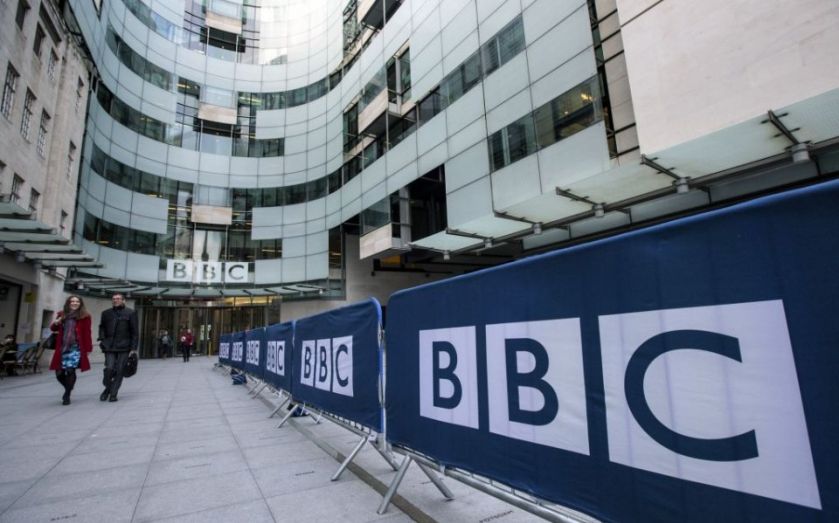
BBC director-general Lord Hall must have thought all his Christmases had come at once. For years, the corporation has been on the defensive about the future of the TV licence fee. Campaigners had highlighted how it is being rendered obsolete by the increasing numbers watching TV via iPlayer catch-up services, on tablets, computers and on mobiles. In short, the difficulty of answering “what is a television?” had exercised management at the Beeb, who feared that any move away from its “gatekeeper”-like hold on TV would force it to compete for subscribers or advertisers like its commercial rivals.
How pleasing it must have been, then, to hear politicians on the Culture, Media and Sport Committee recommend protecting the Beeb’s privileged position by another means. Recognising the difficulties faced by the licence fee in an internet age, the Committee has suggested replacing it with a broadcasting levy poll tax on every household in the country, applied whether you watch or have a TV or not. This would allow money to be collected from the 500,000 households that claim not to watch TV or to simply watch online. Having steadfastly defended the licence fee for years, yesterday Lord Hall outlined his Damascene conversion to such a new levy – in perhaps the least surprising about-turn since Nick Clegg and tuition fees.
Rhetorically, this was justified because it would offer new, guaranteed funding “for an internet age”. In reality, replacing the licence fee with a tax-like funding method would simply protect the Beeb from the key development of our era: the erosion of the case for a universal public service broadcaster. The role of the BBC and its funding method are inextricably linked. Shifting to a broadcasting levy simply sends the message that we want to deny the developments of the past 50 years.
When the licence fee was first established, the BBC was a monopoly broadcaster. Since programmes were broadcast free-to-air via masts, one person watching the BBC didn’t affect the ability of others to do so. And it was hard to prevent someone from tuning in. The BBC was what economists would describe as a “public good”. A separate funding stream to preserve editorial independence while guaranteeing revenues for the state-owned monopoly made sense.
All of this has changed. The BBC is no longer a monopoly. A raft of commercial operators have shown that it is possible to survive and thrive without recourse to guaranteed public funds. A range of rivals produce similar content to the BBC, from soaps to documentaries, sports coverage to news shows. Furthermore, the rise of digital decoders means you can stop people watching your stuff if they don’t pay.
If the BBC didn’t exist, we would not invent it. True, there may be certain programmes that would be underprovided by a free market, and so there is a case for limited public service broadcasting. Children’s TV might be an example. But the case for an all-singing, all-dancing BBC has withered away. A public service broadcaster would probably need one TV and one radio station each. Yet the BBC does far more than that. Acknowledging this would mean either the BBC competing as a privatised operator through subscription or advertising, or instead scaling down to provide only what the market can’t – with a tiny levy.
So far from being a solution to the overriding problem of technology, the move to a broadcast levy just covers up the fact that the justification for the BBC’s existence is ebbing away. The “debate” surrounding the adoption of a new TV poll tax crowds out the real debate we should be having: should the BBC maintain its privileged position in the twenty-first century?