London is being hollowed out of clever 20-year-olds refusing rent hikes

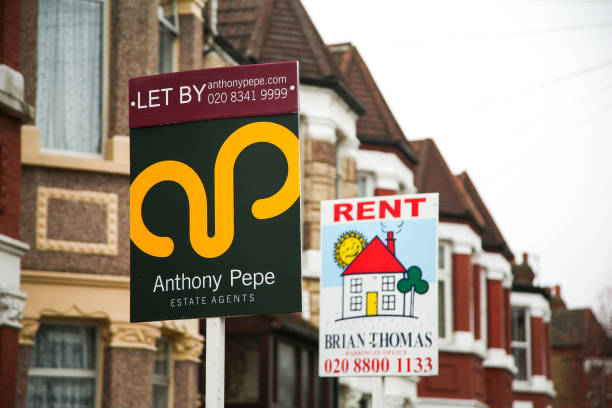
Young, talented people are leaving London in flocks because they can’t afford the record spike in rents. It risks making the capital a place for the super wealthy only, writes Elena Siniscalco
Charlotte, a 25 years-old working in public relations, lived in London in 2022. She was renting a room in a shared house with six other tenants in Bounds Green, north London. She paid £780 per month, bills included, for a small room. As inflation started to creep up, her landlady raised her rent to £875. She could barely afford it, and her landlady became more and more confrontational. If Charlotte didn’t want to pay that sum, she would find someone else who would, she warned.
“I found I was withdrawing from social interaction, and I was falling into a pit of constantly feeling isolated and beaten down both financially and emotionally”, Charlotte says. She stopped seeing people for fear of not being able to afford a drink, as all the money was going towards rent. In January this year, it simply became too much, so she decided to move to a village outside of Southampton with her boyfriend. They pay £1300 in rent per month – £650 each. She kept the same job, and commutes to London two days a week to get into the office. She feels “so much more stable and happier”.
Charlotte is one of many who tell a similar story. Renters are leaving London at the highest rate in a decade. Last year, of all the people moving home in London, 40 per cent decided to leave the city. Most of them moved to neighbouring areas like Kent, Essex or Surrey.
Rents in the capital have spiked dramatically. Average rent in London is now £2,141, more than double the national average of £987. “In areas that border London, such as Tandridge, Epping Forest, and Sevenoaks, the average rent is £1,306, which is £835 less than the capital”, says Simon Bath, CEO and founder of iPlace Global.
So more than a third of London’s renters have taken on extra work to pay their bills, with 36 per cent cutting back on essentials, and a quarter selling items to pay their rent, according to research commissioned by Dolphin Living.
Against this backdrop, it is no surprise flocks of people are leaving. Rising prices eroding the money in people’s pockets compound a housing crisis already in full swing. Fresh figures out from the Office for National Statistics this week showed even record wage growth wasn’t scraping the surface of higher costs. Nick Bowes, chief executive of Centre for London, notes how the number of Londoners renting is at its highest level since the 1970s. Yet “the city is failing to build anywhere near enough new homes to cope”, he says.
Despite the current intensification of this relocation movement, the trend is hardly new. In the 2010s, about 550,000 more Britons left London than moved to it, according to the Centre for Cities. “There’s been a problem going on for a long time”, says Anthony Breach, senior analyst at the think tank.
Some of it is just a normal part of the lifecycle of a city like London. As people progress in their careers and change priorities – moving in with a partner, wanting kids – some decide to move to an area where they can afford to rent more space. It’s always been this way. But now it’s a lot of people in their 20s, like Charlotte, moving out. This demographic used to be the one wanting to be right in the centre of big cities.
The solution to bring rental prices down is building, though others will argue for rent controls. This doesn’t necessarily mean more skyscrapers in Shoreditch; if the suburban areas of Zone 5, Zone 6 and beyond were equipped with more housing, people wouldn’t have to move all the way to Essex. They would have a shorter commute and come to the centre more often, participating in the city’s economy in the way any capital needs post-pandemic. But that housing is simply not there given a historic underinvestment.
This mass exodus is set to continue. Last summer, one quarter of London’s younger generation of renters said they were considering leaving the city within the next 12 months, according to research by Pocket Living. Over half of those considering moving out of London say they don’t want to but feel they have no choice.
With fewer people competing for houses – and perhaps fewer Hunger Games-style stories from people trying to find a room in the capital – the increase in rental prices might slow down. But it’s not a sustainable way of lowering rents; we shouldn’t accept a system that prices legions of young people out. London risks becoming a place for the super wealthy only. It feels dismal for a city whose strength has always been, after all, its diversity.