London’s status as a safe haven for dirty foreign money relies on our own complicity

For a decade, Zamira Hajiyeva, the wife of a jailed Azerbaijani banker, spent an average of £4,000 a day in Harrods. It was only in 2019 that the law finally caught up with her £16m Harrods bill. Her unexplained wealth – including a £12m Knightsbridge house – are set to be seized.
Hajiyeva is a rare exception. She was the first to fall foul of the so-called “McMafia” laws which require those with vast sums of foreign money to explain the source of their wealth, in a bid to prevent corrupt cash making its way onto our shores. Few ever get caught out. The decisions of those in business and politics to turn a blind eye to dirty money have set the wrong norms.
The UK’s economy relies on directors to flag suspected money laundering to regulators. But the sheer amount of money flowing in and out of the UK means that the regulators can’t keep up, and so we rely on a de facto system of self-regulation when it comes to stopping dirty money.
The small number who choose to ignore their responsibilities undermine all of our interests.
Integrity matters, but the system isn’t working. In 2018, the National Crime Agency estimated that £100bn of dirty money was flowing into the UK. It still continues today. This situation has crowned Britain with the unwelcome title of becoming a global hub for laundering the proceeds of economic theft.
As we are seeing in Ukraine, this directly undermines our interests. It keeps dictators afloat and emboldens brutal regimes.
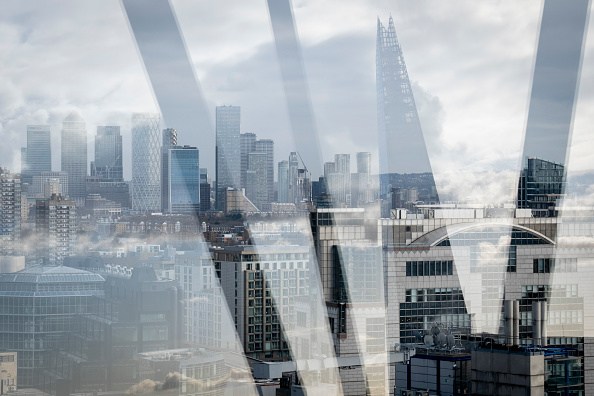
All too often, their cash ends up in destination London. From Kensington to Knightsbridge, dark money finds its way into the safe haven of London’s streets, stashed away far from its origin. That’s why the move to tighten sanctions here is so important.
But when we understand how that money makes its way to our shores, what we really see is a vast network of professional enablers who unlock the door at every turn.
In countries like Russia, corrupt leaders and weak institutions allow state-owned enterprises to clean up. European elites and former leaders sit on the boards of some of the biggest of these companies.
Their presence adds a veneer of legitimacy to economies which are rigged for the interests of a few oligarchs.
When it comes to any proceeds of corruption that need to be taken offshore, journalists, such as Oliver Bullough, have painstakingly mapped out the journey that makes the UK a “playground” for Putin and his cronies.
Western banks won’t accept the proceeds of corruption straight from Russia or Kazakhstan. So dark money must travel across the globe to be “cleaned” through a web of offshore havens, proxy owners and shell companies.
For every step along the way, it passes through the hands of many linked to Britain. Accountants and bankers turn a blind eye to questionable deals. Lawyers draw up the contracts, and later fight back if the regulators ever come calling in court.
There are specialists to help register new companies in the UK so kleptocrats can stash their assets in British bank accounts. Or estate agents will happily sell luxury properties to buyers with deep pockets.
The generous kleptocrat may get help from an intermediary to facilitate a large donation to one of Britain’s world-class universities or charities, signed off by a committee which ignores the money’s inexplicable origins. Such a process is carefully stage-managed by professionals to rinse off the stain of corruption.
This well-travelled route in Britain is why the long-awaited Economic Crime Bill is so important. Tightening up the rules on company registration and enforcing mandatory identity checks will make it harder to set up fake companies.
A beefed-up task force on economic crime and tackling kleptocracy would give us a clear remit to work with partners like the US to close loopholes.
But the reality is that it’s not enough just to set the rules. We need to follow them too.
London’s laundromat status relies on a system of complicity. Directors and boardrooms which participate in the deception corrode the trust on which our economy is built.
If we want to strengthen our society, we all need to take responsibility for how our communities, businesses and society function as a whole.