The Long View: Computer games have grown up – and they’re an economic powerhouse

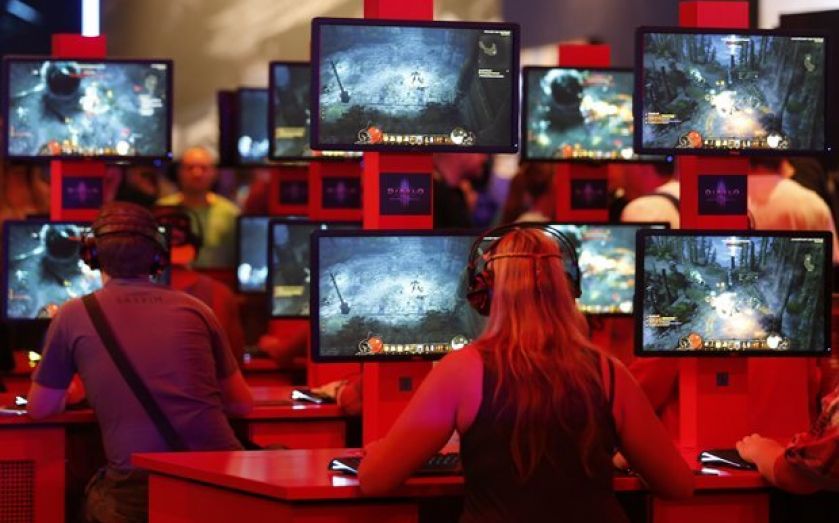
COMPUTER games are serious business. Grand Theft Auto V took $800m (£497m) in 24 hours this week, a record-breaking achievement that rivals the success of blockbuster films. Warner Brothers’ Man of Steel, the third-best box office earner this year according to Variety, only took in $663m. Some are predicting sales for the latest installment in the Grand Theft Auto series as high as $1bn over the next year.
But the most important shift here is not economic, but demographic – firms are not just selling more and more elaborate diversions to children. The games industry has grown up. Increasingly, its clients are adults, who treat these products as engrossing alternatives to TV or a good book.
According to a 2013 study from the Entertainment Software Association, the average age of computer game players is 30, rising to 35 for the most frequent purchasers. A third of all players are over 35, and 45 per cent of all of them are women. Women over 18 actually make up a larger proportion of game players (31 per cent) than boys under 17 (19 per cent).
Not everyone with a job has had time to notice this – I barely manage to fit in the occasional round of Dots or Angry Birds Space myself. That helps explain the rush to moral panic when games are released that contain adult content (like GTA V, which requires the player to participate in graphic scenes of torture). Observers too often don’t recognise that such games come with an 18 certificate, and children aren’t even allowed to buy them.
I’ve argued in a previous column that play is too important to be left to children; and today’s computer games are simply too grown up to be dismissed as childish. Grand Theft Auto is a business success story with a British pedigree, given the origins of Rockstar Games in Scotland’s DMA Designs, which was also behind the addictive puzzler Lemmings.
But more importantly, it shows an ongoing revolution in where we spend our time. Back in the early 2000s, the PlayStation 2 was introduced as a “third place”, a gateway to a parallel world. That’s a pretty accurate description for the whole universe of digital gaming. Today, a significant number of adults don’t just spend their time in physical locations. They are off exploring virtual space, everything from Candy Crush Saga and Bennett Foddy’s GIRP to the open world of a Grand Theft Auto game or even a massively-multiplayer online rolepaying game (MMPORG) like World of Warcraft or Star Wars: The Old Republic.
What happens in these virtual spaces has increasingly tangible consequences: people can fall in love and earn real world money. That makes them everyone’s business: advertising within game space is set to be a $1bn business by 2014. In his 2008 presidential election campaign, Barack Obama ran in-game adverts to attract hard-to-reach demographics.
Forget the debate about whether games are art or not. Increasingly, they are architecture: the spaces we choose to live in. That’s a trend no one can ignore.
Marc Sidwell is managing editor at
Morning Wire