Marx and Smith would – for once – agree on the danger of monopolies in sports like golf

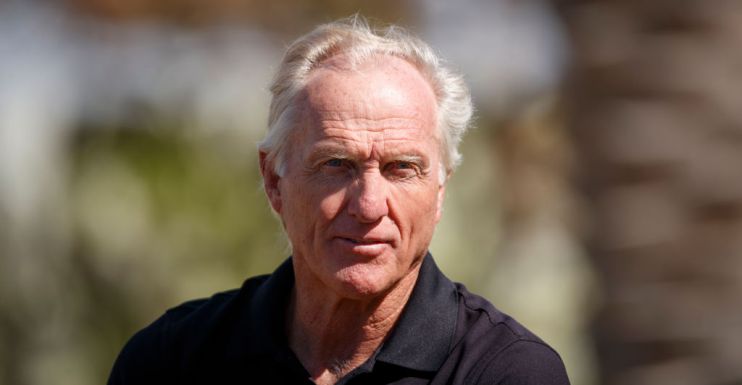
From today until Saturday, the Centurion Club near St Albans in Hertfordshire will be the rather unlikely host of an attempted revolution in the game of golf. LIV Golf is a Saudi-backed attempt to disrupt the existing PGA and European Tours by tempting players with huge prize money -$255m in its first season alone – and a new, shorter format that includes teams of golfers vying collectively for those prizes. The LIV venture has been controversial, because of its financial backer but mainly because it is disturbing the cosy elite that have dominated golf for decades.
Most professional sports are outliers in developed Western economies: they remain closed shops. Golf especially makes for a fascinating economics case study – and an extremely rare occasion where Adam Smith and Karl Marx would almost certainly have found a common cause.
Smith’s view of LIV Golf’s effort would be simple: they may succeed or they may not, but that’s what markets are for. They allow new entrants to try new ideas and see if they work. If the ideas don’t work, the people who supply the capital lose their money. If they do work, then we, as consumers, win by getting a better product. Smith would support the attempt at innovation in the name of market competition and disrupting monopolies.
The Marxist view focuses more on the impact of such monopolies on the workers – in this case, the golfers. According to Marx, the worker is a victim of expropriation if there’s only one employer out there, because the full value of the labour doesn’t pass through to the worker. The more employers there are, the less this is true and the more cash must be passed on to workers.
Marx was warning us against the perils of monopoly capitalism – what we now call monopsony, a market with only a single purchaser of labour. Both he and Smith insisted, rightly, that limiting where, to whom and for how much a worker may sell his labour reduces his potential gain. The monopoly and the guild are the enforcement mechanisms for this restraint of trade. Large parts of The Wealth of Nations can and should be read as screams against the restrictions of the medieval guild economy.
Which leads us back to sports, and golf in particular. Those club-swinging independent contractors currently plying their trade on the PGA Tour in the US, or the European Tour, now known confusingly as the DP World Tour after its funder Dubai Ports, have to ask permission to take up the offer of additional employment made by LIV Golf. This is classic enforcement of the monopsony that both Smith and Marx warned against. Workers – and we must remember the majority of professional golfers are not multi-millionaires – are being held back by bosses.
Will LIV Golf succeed? Who knows. This is the very task that markets perform for us. People try things out, many fail and that’s that. Those that succeed do so because we, the great mass of consumers, like the output.
To increase choice in any area of a free-market economy, it is necessary to have experiments that test what is possible, what is desired, and whether there is a match between the two. We have to allow the experiments.
Established monopolies will always defend their privileged position and argue for special treatment. This is nothing new, and Marx and Smith both recognised monopoly behaviour in their own times. Not much has changed in the intervening 250 years – either in economic fundamentals or in golf. It is still common to see golfers pleading with invisible forces in an effort to correct a hook or speed up a putt. At St Albans next month, they would be better off trusting in the other, older, invisible hand.