Mental health in the Square Mile has transformed; it must do in the NHS too

I began my career in the cut throat City in 1982. It was an era when the environment was uber macho, almost completely male dominated with an incredibly aggressive culture. It was accepted that this was how you needed to be if you wanted to get on. The atmosphere of no holds barred determination to succeed at any cost coupled with intense, long hours did lead to some people collapsing from the strain or self-medicating with recreational substances such as alcohol. Management almost seemed to encourage this to drive results and beat the competition.
When it came to any mention of mental health, there was a deafening silence. It was acceptable that one could have a serious drug or alcohol problem; this was just “dealing with the stress”. But any mention of having a possible deeper mental health problem, and you would get laughed out of the room.
It took me a long time to get help. It was only three years ago when I saw a psychiatrist and was prescribed a low dose of antidepressants even though my GP had been suggesting that the level of stress I was under had, for years, logically meant I should have a “mental health check-up”. The support had been there all along – it was not the 80s anymore – but I didn’t seek it out. I felt it would be weak even to consider getting help. I was wrong. But for me, it was too late to avoid a minor stroke. My diabetes became worse than it needed to through the effects of self-medication through food and alcohol.
Attitudes around mental health have shifted, but we are still a long way off placing the same importance on our psychological wellbeing as we do on physical health. While much of the time we can recover without medical intervention, it’s not always possible, especially as we receive less and less emotional support through direct personal relationships and instead are more and more “connected” online. The need for intervention, be it medication, therapy or a support group, has increased rapidly. As has the economic cost of mental health.
So where can this holistic solution come from? The NHS prioritises its funding on physical illness. Meanwhile, the underlying mental illnesses driving many physical ailments is often overlooked. In the last two years, two thirds of GPs saw an increase in the number of people coming to them for mental health concerns, according to Mind, the mental health charity. But a staggering 84 per cent of GPs felt that there was a lack of training and support for dealing with serious health issues; 74 per cent of GPs who received mental health training did so in a hospital setting. Usually, this is reserved for very acute cases rather than addressing complex mental struggles entangled with social issues: housing, financial insecurity, isolation, loneliness, stress, gender, race, sex, parenting, grief and joblessness, amongst many others. Many people feel overwhelmed by these concerns on a daily basis and have nowhere to turn to besides their GP.
In discussion groups with hundreds of people across the country, held by the charity I founded with my wife, Engage Britain, the daily battle to get support from mental health services has been central. Unlike me, they accepted and wanted help. But they could not find it on the NHS.
The health system itself was often seen as exacerbating people’s problems. In recent polling, a quarter of adults said waiting times for treatment are having a serious impact on their mental health. People with disabilities often speak of the huge emotional stress they undergo due to the dysfunctions in our country’s social care system. The uncertainty and delay causes even more acute suffering.
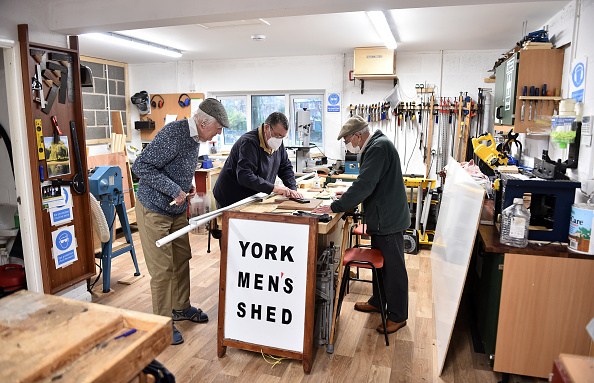
Despite this, there are amazing success stories coming out of the local communities themselves. For example, a group called The Men’s Shed, a movement that originated in Australia in the 80s, has been combating loneliness by creating places for people to meet, build friendships and connect with each other. By combating loneliness, they can help build emotional resilience. There are now 587 sheds in the UK with another 141 being created.
The NHS will spend £14.3bn on mental health in 2020/21, out of its total 2020/21 funding of £136.1bn; that is only just over 10 per cent. This spending policy is out of sync with the needs of society; you don’t have to have an interest in economics or business to see this. With a health service currently geared towards only dealing with the most pressing issues, it’s nigh on impossible to invest the money and time needed – several times what it is now. Finding a way to integrate mental health services into our healthcare system in a way that is proactive will pay extraordinary dividends for the future of Britain, and its people.