Millions left unclaimed as public awareness gap exposes flaws in class actions

While class actions are on the rise, limited public awareness means millions in settlement funds go unclaimed, highlighting the scepticism over who truly benefits from these legal actions, writes Maria Ward-Brennan.
Despite the surge in class actions in the London High Court over the last number of years, there remains a large knowledge gap among the public, as highlighted by £3.7m sitting in an unclaimed bucket that is being rerouted to charities.
Over the past few years, there has been an explosion of ‘opt-out’ collective actions launched before the Competition Appeal Tribunal (CAT), generally targeting Big Tech giants. Claimant law firms, backed by litigation funders and supported by PR firms, have flooded media inboxes with press releases highlighting the potential millions of pounds at stake for people affected by their allegations.
However, when a case actually makes it through the layers of the judicial system and is successful, the public’s poor understanding of class actions becomes very evident.
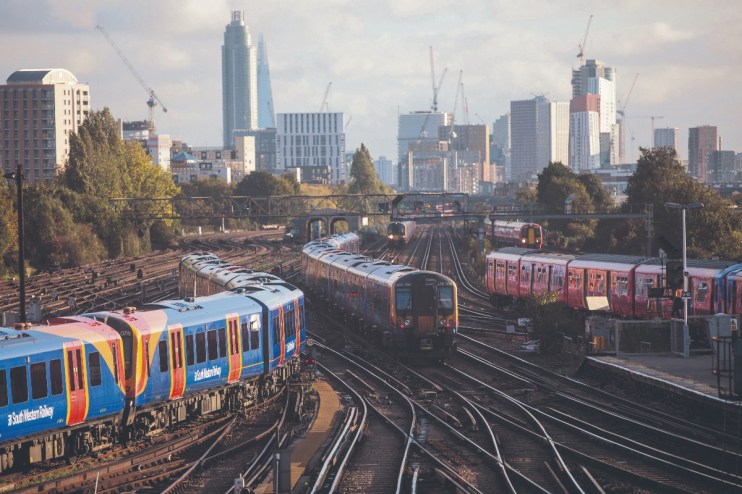
Take Stagecoach South West Trains. The class action was a collective settlement approved by the CAT in May 2024 regarding “boundary fare” overcharging, with a £25m payout agreed. The claim was brought on behalf of passengers holding London Travelcards who were allegedly charged twice for journeys extending beyond their zones.
However, less than one per cent of the funds potentially available to passengers were actually claimed.
On Monday, the Access to Justice Foundation (ATJF) announced it will channel £3.9m from the unclaimed fund to 16 UK charities, including Citizens Advice Croydon, St Luke’s Advice Service, Motherwell & Wishaw Citizens Advice, and South Wales Law Centre.
The regions were selected based on where class members are located, areas that face the most “persistent gaps” in access to free legal advice. Chief executive Clare Carter said: “Unclaimed funds from collective actions represent a significant opportunity to strengthen access to justice. This ultimately protects consumers and boosts the economy.”
Big settlements, low awareness
The London courts may be starting to take on a more American hue with the class-action surge, but the UK is miles behind the US in terms of the public’s interest in participating in claim culture.
Despite the headlines about the success of the settlement, including in Morning Wire and Money Saving Expert, and Martin Lewis informing affected consumers on how to seek their share of the settlement, the low turnout doesn’t help the class action’s reputation.
Data from Portland last year revealed that the majority of the public (65 per cent) said they would sign up for a class action if given the chance, but a larger portion (nearly 70 per cent) believed class actions mostly benefit law firms and litigation funders.
The chatter around class actions only benefiting lawyers and their funders was heightened after the outcome of the Merricks v Mastercard: A claim on behalf of 46m consumers, once valued at up to £14bn, eventually settled for £200m. After 10 years of fighting in court, those eligible to claim would only receive between £45 and £70 each.
The litigation funding sector is also currently under the spotlight. The Department for Business and Trade (DBT) is focusing on reviewing the existing opt-out collective actions regime and investigating the potential introduction of broader consumer-wide class action laws. The government is assessing whether the regime balances consumer redress with the protection of businesses from unmeritorious claims.
Lawyers and funders would argue that while they educate the public on how to claim back money they are owed, the legal action, if successful, is still the right step to ensure big corporations are held accountable for any alleged failings. As a lawyer once told me, the bad PR for a business being sued in the news can be just as effective at holding businesses to account as any payout from any legal win.
Eyes on the Law is a weekly column focused on the legal sector.