Mini bar, pepper spray pump, sound system: What the super-rich want in a panic room

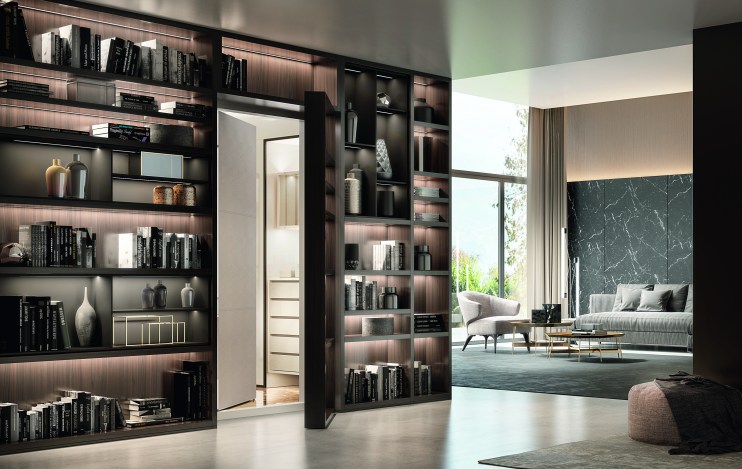
Most of us will never have the need for a panic room. The sum of our valuables and the size of our homes means dropping in a huge, heavy steel structure at a cost of (at least) hundreds of thousands of pounds doesn’t even cross our minds.
Those who do find themselves in need of this highly exclusive service, tend to head to the panic room department in Harrods, run by Florentine safe manufacturer Agresti.
Here, they can step into the store’s example panic room – a glossy, marble-lined affair that most closely resembles the bathroom of a five-star hotel, except it’s filled with cutting-edge gadgets – to get a taste for what’s possible, before designing a bespoke vault all their own.
The man that runs it is Massimo Vignola, director of Italian Design Living at Agresti and an expert on how best to store your insanely valuable, well, valuables.
The first thing you need to know about panic rooms, he says, is they can be as small and basic or as large and ostentatious and you desire (on the inside, obviously – on the outside they have to blend in seamlessly with their surroundings). The cost of installing one starts at around £500,000, and Vignola tells me there really is no upper limit.
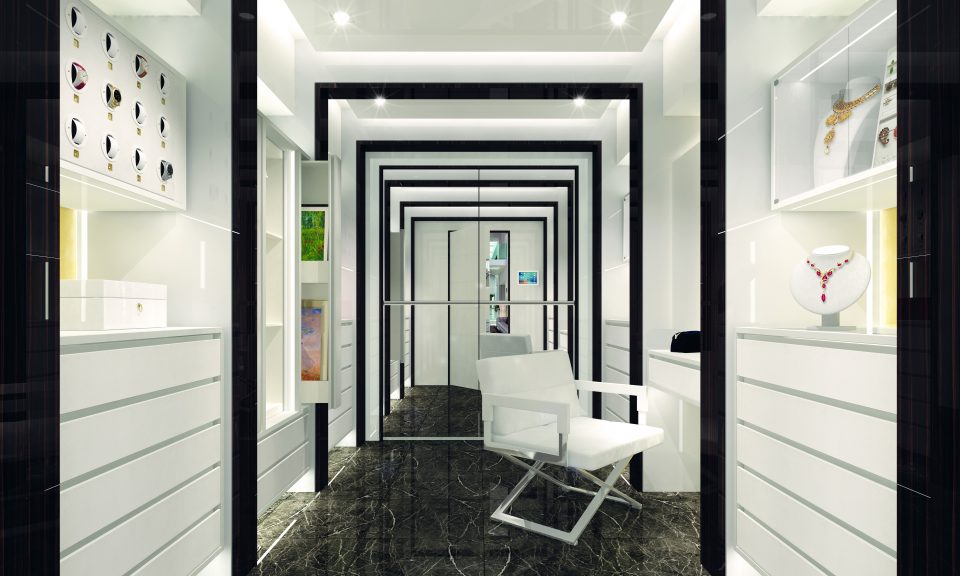
He’s had a hand in designing panic rooms ranging from barely the size of a cupboard in Belgravia, to a 30sqm behemoth in Nigeria. They are then made in Italy by “artisans who have been doing this for generations.”
“The aesthetic depends on the client,” he says. “It can be simple and basic, or it can be made to look like a spaceship landed in their property. For a very powerful Russian client we created a classic, almost baroque design with a lot of gold.”
The anatomy of a panic room
So how does a panic room work? First of all, you enter it using fingerprint access. This includes a ‘coercion code’ which means that, if an intruder is forcing the owner to open their panic room, they can use a certain finger and the emergency services will immediately be alerted.
The rooms are completely cut off from the rest of the home – the supply of air is from outside, and they are fitted with a separate phone line so that the police can be called even if the line is cut.
Panic rooms are given a numeric grade based on the thickness of the door and walls, which are made from steel and can go up to around 20 inches. The scale starts at one, and anything above a grade seven would only be found in a bank.
In terms of location, most people want it next to their bedroom – but sometimes it has to be in the basement because it’s so heavy it could bring down the floor. Clients’ security requirements are mostly dictated by insurers, who will base their coverage of their valuables on the specifications of the room where they are stored.
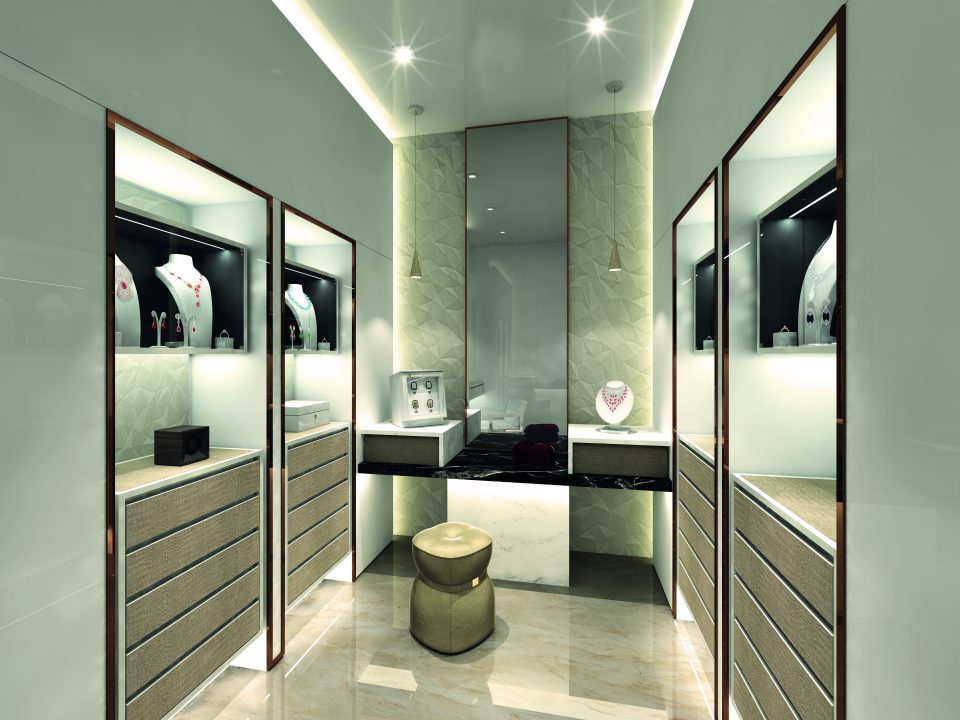
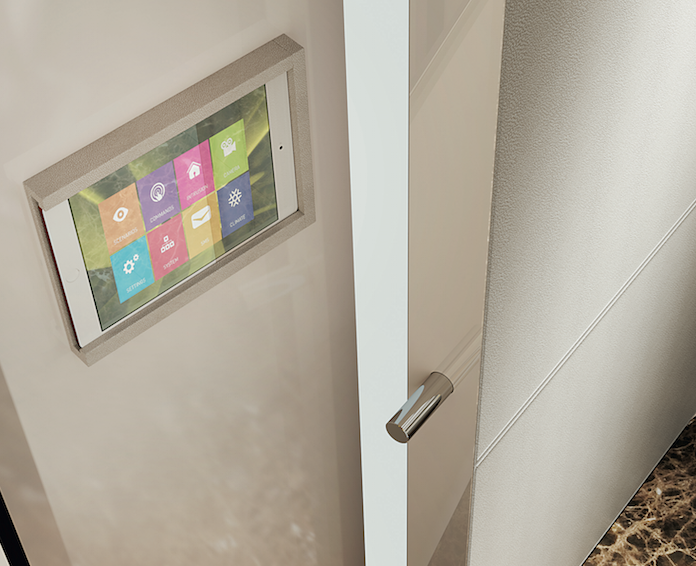
Back in the Harrods room, Vignola shows me what he calls the ‘control centre,’ hidden behind a mirror. In an actual home this would be linked up to security cameras, and can be modified so that the homeowner can pepper spray intruders remotely from a pump close to the camera, or activate a ‘fogging’ system which makes it difficult for intruders to see inside the house.
Some clients use it like a little apartment within their apartment
Massimo Vignola, Agresti
“It’s not harmful – it just creates a bit of a panic,” he explains.
I’m surprised by how plush the panic room is. It has marbled walls and floor, and the walls are lined with built-in shelves. There’s a compartment for cash, pull-out drawers that can be used for pieces of art and a watch storage shelf with automatic winders. There is a cigar box, and a jewellery cabinet with compartments for cufflinks, rings and bracelets.
It also has a comfy-looking white leather chair in front of the mirror, giving it the air of a ladies’ dressing table – and lots of people do actually use it for this purpose.
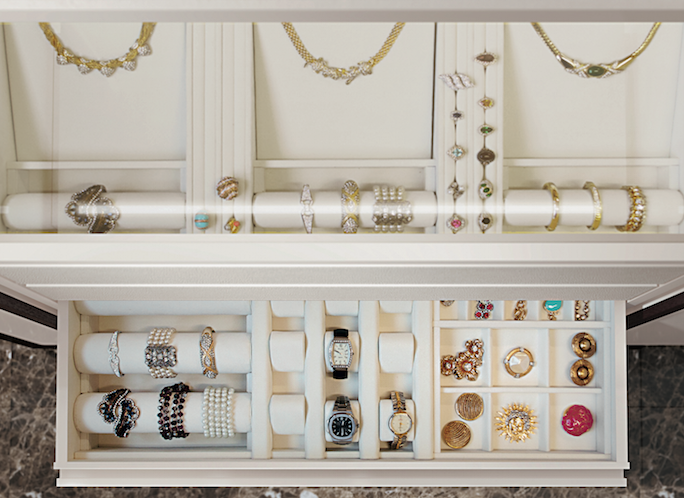
“Some clients use it like a little apartment within their apartment,” Vignola says. The model in the store is even fitted with a Bose sound system. “It is a place you can go if you want to concentrate, to meditate quietly… or just spy on your family using the cameras,” he adds.
He says he’s been asked to create bespoke rooms to store all manner of things – some more innocuous than others.
‘An emotional purchase’
“Even though it’s about safety, a panic room is actually quite an emotional purchase. It is for people who have hobbies and passions and want to keep those things in a safe place: watches, paintings, rifles, your secret stash of substances – whatever you are passionate about. Russian families quite often want one for their knives and kalashnikovs.”
One Omani client, he adds, requested a bespoke storage unit to store all of her Hermes Birkin bags, which she then colour-coded so it looked like a painter’s palette.
There are still challenges he’d like to take on, though. “There is one guy who always talks with me about creating a panic room for his whisky collection, but he hasn’t bought one yet,” he says.
Some of his clients are referred by Harrods Estates, the department store’s luxury estate agency arm, which says an increasing number of high net worth clients want a panic room.
“There’s a real demand for these at the moment – London can be pretty scary at times,” says Monica Rowe, its marketing manager. “It is for a very particular market, and it has taken a while for them to catch on – but I think the next wave of prime central London developments will have them built in.”
Back in the showroom, I notice that alongside the chemical toilet and first aid kit, there is also a mini bar, presumably so you can kick back with a chilled glass of something while your home is ransacked.
It just goes to show that, with the right budget, anything is possible – whether you want a storage vault for your priceless jewels, or just an extremely secure man cave.