Multinational tax dodging strategies should be as damaging as fuelling climate change

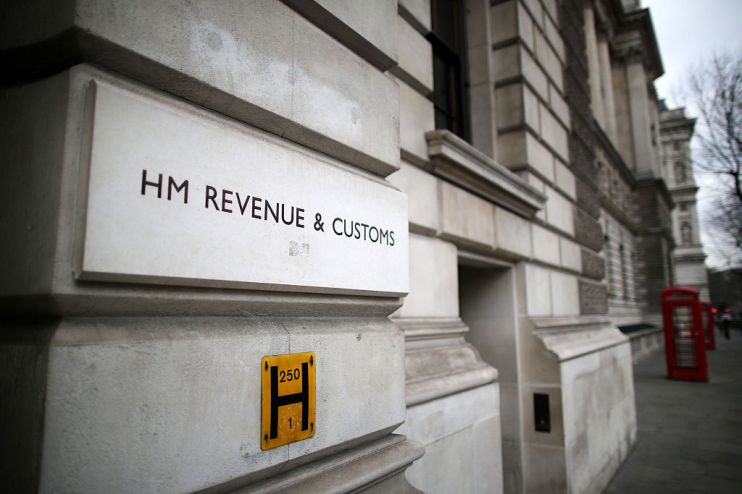
The G7’s landmark deal to tackle tax avoidance and crack down on multinational companies that treat our global economy as a financial rabbit warren, might seem a welcome step in the right direction. But until businesses start seeing tax as an investment opportunity as opposed to an unwelcome bill, it’s unlikely to make much of a difference.
Clever accounting is not illegal and the world’s network of tax havens, transfer pricing schemes and equity swaps is not going to evaporate overnight.
Businesses operating in the UK benefit from a system that enables them to be profitable here, so paying a fair share of tax is not just about taking a moral stance and “doing the right thing”; it’s about investing in the future of the market. Siphoning off profits and transferring them to low-tax jurisdictions contributes to the erosion of public services, which over time is corporate self-sabotage.
At the end of last year more than 1,000 corporations with a turnover of £45m or more applied for the government’s coronavirus large business interruption loan scheme. The Treasury paid for staff to be furloughed and kept companies across the nation afloat.
There was a fascinating shift in corporate mindsets in the wake of these schemes, with retail giants such as Primark and Asos paying back furlough money provided to them. They saw the efforts of the Government and they felt it was their responsibility to return the favour, rather than raking in all the cash they could. Paying tax should be the same.
There is an obvious irony: as boardrooms toss around ESG buzzwords about “doing good” and “paying it forward” all the while there are complex tax planning strategies at work. They know investors and consumers want more than just profit. Yet, they don’t embrace the social and commercial benefits of paying tax.
Tax avoidance doesn’t just put a strain on the economy but erodes physical infrastructure and negatively impacts individual communities in a myriad of ways that is ultimately bad for business too. We have faith the police will turn up if our business is broken into, the fire service will help if disaster strikes, the courts will protect our legal interests and the roads and rail networks help us transport goods across the country. We pay for these services through tax and if we shortchange them, the quality of the services they provide will continue to be undermined.
Legislative change, as always, is slow and often lags behind major shifts in the way businesses operate. Pressure will need to come from within. Increasingly, investors are demanding tax transparency under the banner of corporate governance. Earlier this year, Norway’s $1.3tn wealth fund decided to blacklist any companies that employed “aggressive tax planning” and weren’t transparent about their tax practices. Even KPMG has written a report casting corporate tax as a “critical part” of ESG. While tax payments might not have the same PR appeal as carbon-zero initiatives or social value strategies, they should be viewed with equal importance.
The other corporate driver that will get businesses to pay more tax is the risk of not doing it. The coronavirus pandemic has demonstrated that moving capital across borders can be risky, especially when economies become unpredictable or unstable. But perhaps more fundamental is the reputational risk. When a viral tweet can tangibly strip a business of economic value, it’s no wonder that investors and CEOs alike are keen to avoid reputational damage from negative PR. This sort of public pressure does garner results. Is it a coincidence that Netflix has started to declare its UK earnings to HMRC after being slammed for paying no corporation tax in 2018?
If a business fears tax transparency, then perhaps it needs to rethink its whole approach to “legal” tax planning. As we try to rebuild and restructure our lives, the most effective and efficient way that multinational corporations can do more for people and society is to put more pennies in the public purse.