Music venues are in dire straits: V&A show asks how we can help

As the V&A opens its Lost Music Venues exhibition, James Balmont asks we can save the grassroots institutions under threat
A trip to the V&A often conjures up images of great Renaissance sculptures, haute couture and centuries-old tapestries – but those patronising the Kensington institution this summer will find something very different.
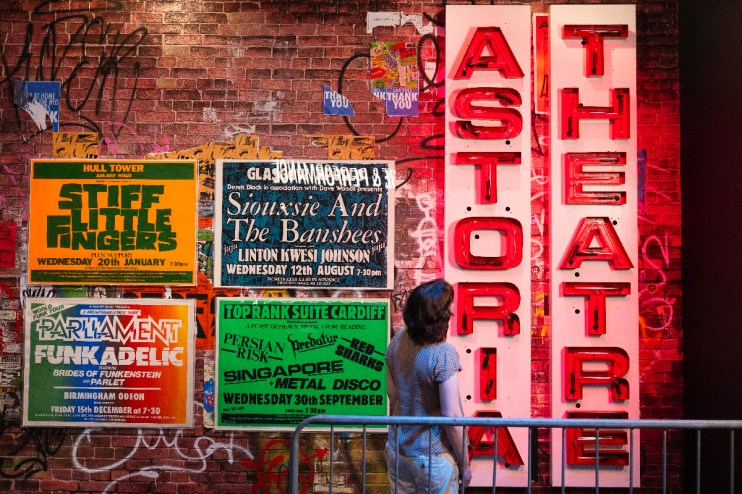
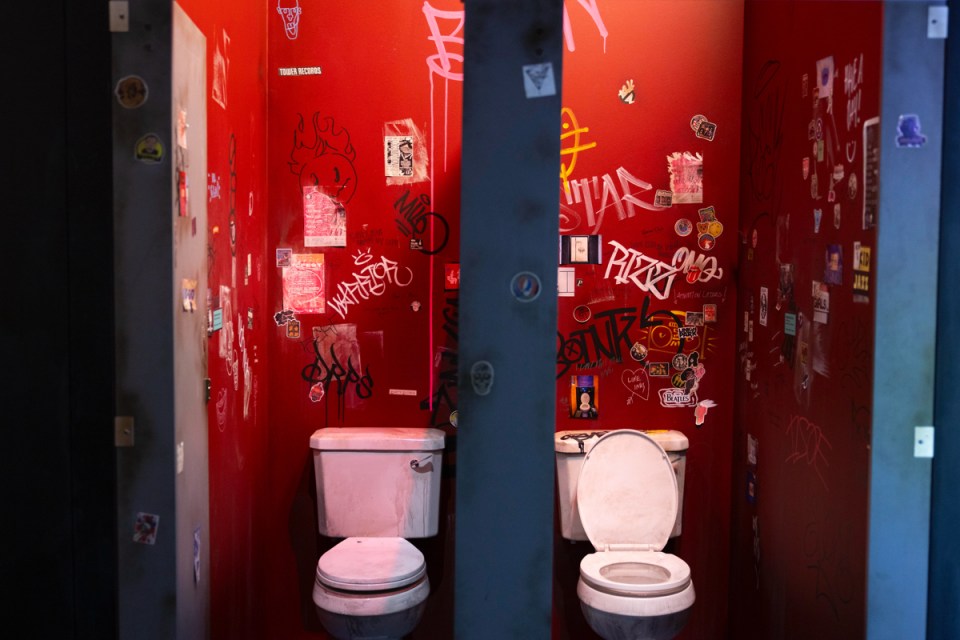
In Lost Music Venues, the Theatre & Performance Room has been transformed into a graveyard of Britain’s shuttered performance spaces, featuring grubby set-lists, salvaged AAA passes and recreations of graffiti-daubed toilet cubicles. It’s not just old junk, it’s a warning for the future – with the UK’s grassroots music venues facing ever-mounting pressures, the timing couldn’t be more pertinent.
V&A curator: gig venues as important as opera houses
“These spaces are as important as art studios, opera houses and West End theatres,” says V&A curator Harriet Reed, who assembled the archive with the help of public-donated artefacts sourced from sweaty basements, working men’s clubs, and former staples of the pop music circuit. They are essential for musicians, but also “for people to find their tribes and learn their trades before going on to become poster designers, sound engineers, and promoters and managers for stadiums.”
As a longtime touring musician with the band Swim Deep, this all hits especially hard. Represented institutions such as Leeds’ Cockpit and Manchester’s Roadhouse were once our playgrounds, vital stages for artists both local and international on their journeys towards wider recognition. Now they are eulogised on museum walls. “As a gig-goer, I was concerned by how the pandemic was impacting the venues I loved,” Reed explains. “That impact is still being felt in the live music sector, where licensing, economic factors, redevelopment, governmental interference, and noise complaints remain big issues.”
In 2024, the Night Time Industries Association reported that 13,793 clubs, pubs and bars had closed across the UK since the pandemic, while the most recent Annual Report from the Music Venue Trust (MVT), a charity representing hundreds of UK grassroots music venues, showed that 53 per cent of UK music venues had failed to turn a profit in 2025, with profit margins across the sector standing at just 2.5 per cent. More than 100 grassroots venues are currently seeking support from the charity.
The impact is multi-faceted. “Heartbreaking” closures of regional venues like TJ’s in Newport, The Charlotte in Leicester, and Moles in Bath (“our one sizeable gig venue that attracted fantastic bands,” according to West Country native Reed) have contributed to what Reed calls the “collapse of the touring circuit”. These cities, which once nurtured major cultural exports including the Manic Street Preachers, Kasabian and Tears for Fears, are now often left off national touring schedules.
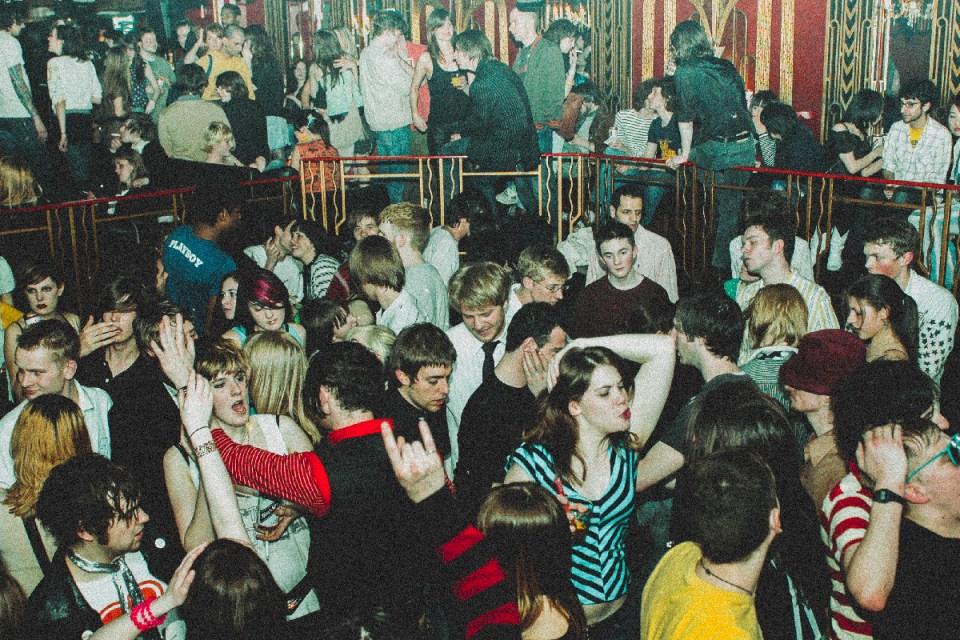
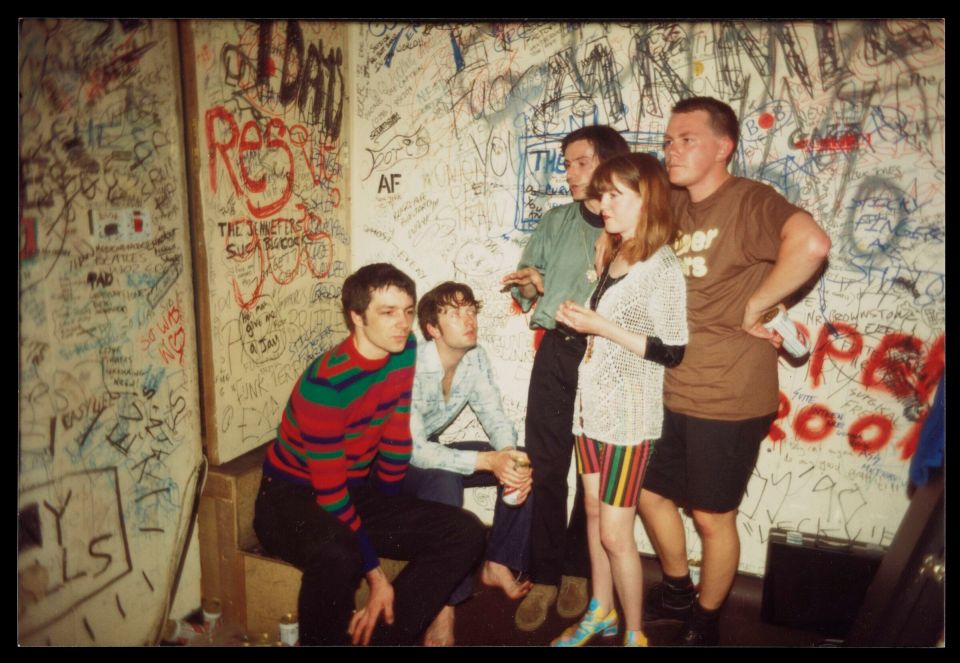
A stark picture of the capital’s nightlife deterioration, meanwhile, is painted through flyers and photographs from lost venues like Plastic People nightclub and historic Finsbury Park rock venue The Rainbow Theatre (the latter, once host to The Jam, David Bowie and Bob Marley, isnow an Evangelical church overlooking a Travelodge). Venue promoter Marcus Harris witnessed the decline first-hand when his White Heat indie music night was forced to relocate after iconic venue Madame Jojo’s closed. A 2005 snapshot by Gregory Nolan, displayed on the defaced wall of a recreated green room, shows it in its dance floor-filling heyday.
Madame Jojo’s was “one of the last bastions of old Soho”, says Harris. It once hosted stars including Lorde, Adele and Mercury Prize winners Young Fathers, and was even utilised byStanley Kubrick for scenes in Eyes Wide Shut. Its license was revoked in 2014 after venue security responded to a bottle-throwing punter by setting about him with baseball bats. The writing, however, was already on the wall: “Crossrail shut down all the destinations that White Heat would get overspill from, like the Mean Fiddler, The Metro Club, and the Astoria,” says Harris.
V&A exhibition highlights systemic problems
Around this time, “Soho was being managed into this sanitised sort of ‘theatre-land’ thing”, says Harris – a move later marked by the proliferation of third-wave coffee shops and luxury co-working spaces. “All the clubs were closing. It’s like: ‘We want everyone in Soho going for a nice meal and then fucking off by 11 o’clock’, you know?”
Harris is one of the industry’s success stories, having guided Angel’s The Lexington – “a proper old-school boozer” celebrated for nurturing UK live acts including Sam Fender and Charli XCX – to its 17th birthday this year. But he remains acutely aware of the challenges of what he calls a “collapsing ecosystem” that requires an urgent restructuring of “rates, bills and licenses”.
Harris also rues landlords who raise rents as soon as such a business becomes successful – and private building developers who apply for residential planning permission with no regard for the long-running cultural spaces next door, opening the door for noise complaints by incoming tenants.
It’s now more important than ever, says MVT’s Beverley Whitrick, to support venues, even if that means buying “a super cheap ticket and a soft drink”. This, she says, is the only way people who love live music “can ensure there will be grassroots venues in the future… We are in a ‘use them or lose them’ scenario.”
Looking to the future
But while the ghosts of fabled institutions like Manchester’s Hacienda and Liverpool gay club Garlands point to possible outcomes on the horizon, there are also hints of optimism. A £200,000 funding allocation from The LIVE Trust, part-funded by an industry-wide £1 ticket levy on shows with over 5,000 capacity, has allowed venues to invest in their infrastructure, while an MVT scheme provided music kit – drums, amps, speakers – to venues, which can be returned, repaired or replaced in case of damage.
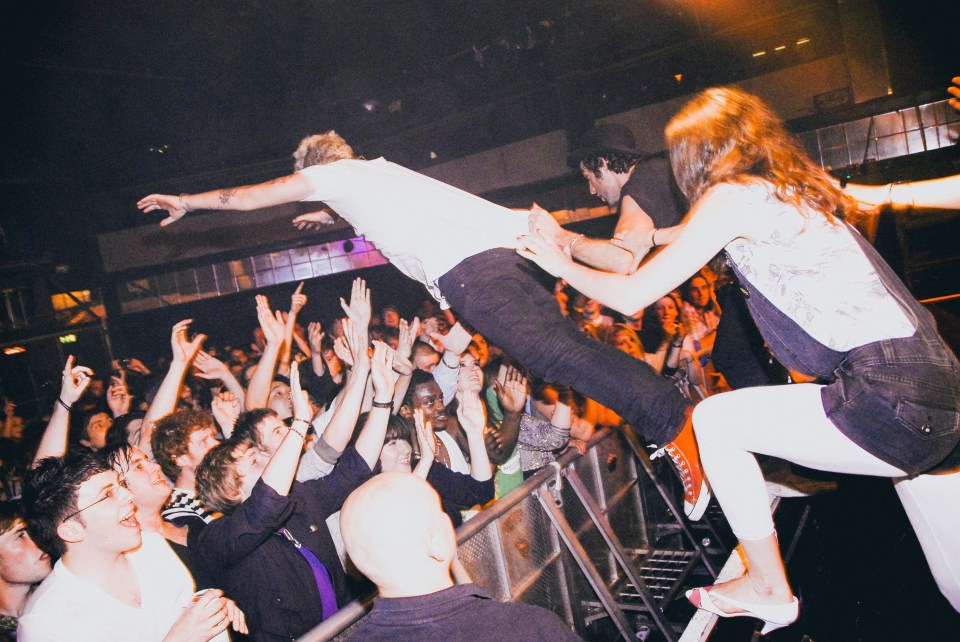
Moreover, the V&A exhibition itself is evidence of a “growing movement”. Once a relatively niche topic, preservation of grassroots music venues has gone mainstream. “Politicians talk about [protecting] grassroots music venues… the V&A championing this cause just helps push it that bit further into cultural respectability.”
Reed agrees. “[Our intention] is to remind audiences how important these spaces are. They are incubators for the development of art and design and performance. They’re the engine of the creative industries, where multidisciplinary artists and practitioners can develop freely… We need to keep these places open and accessible for people to experiment with.”
I leave the exhibition through the original doors from The End nightclub. Once home to resident DJs Fatboy Slim and Erol Alkan in the 1990s, and latterly referred to by DJ Mag as “the club that changed London”, the building now sits derelict just off New Oxford Street. This artefact, then, serves as a final reminder of the fate that looms for the live spaces we often take for granted.