National Insurance exemptions could help get Britain working again

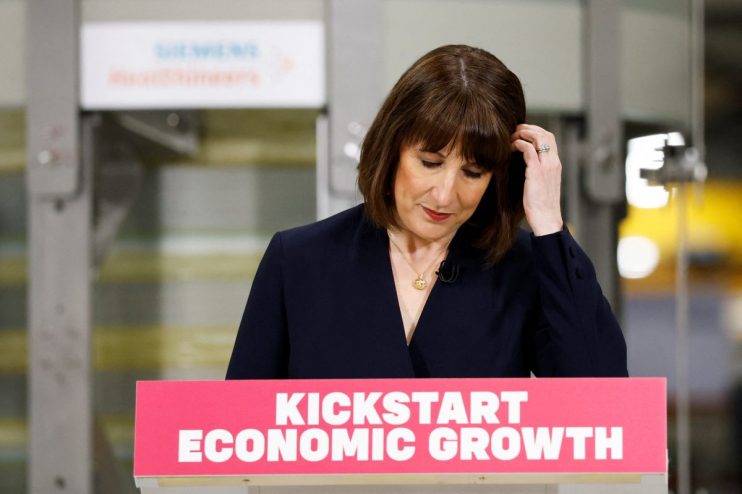
If the Chancellor wishes to get Brits back to work, she should offer National Insurance cuts for those hiring the long unemployed, writes Georgiana Bristol
People want to work. In the heat of the debate around the grievous state of worklessness in the UK, this simple fact often gets lost. To reconcile this issue, I’d like to recommend that National Insurance (NI) hikes are reduced for businesses who take people on who have been out of work for more than a year.
If reading the news was to be believed, either we’ve lost a generation to grifters glued to their phones, or we are an unkind nation not supporting our most vulnerable, unable to work.
In my role as CEO of the Jobs Foundation, I know, having visited many businesses across the country who run great training schemes to support people caught in worklessness and poverty into work, that the experience on the ground is very different to the noise around this important issue.
The job market is in decline
At a recent Graduation Day for the Marks & Start Programme, run by M&S and The Kings Trust for nearly 20 years, I watched over 30 young adults go up and accept an award for a four-week training programme, giving them the confidence and skills to take a permanent position. It was stirring stuff and without wanting to sound mawkish, watching someone have that first sensation that they could do something, be something, switches something on inside of you too. For many, it’s a helping hand to get on that first rung of the ladder which can make all the difference.
Of course, the first rung (or indeed rungs above) are generated by business and job creators. And if you are keen to employ people from the margins of the labour market, that often comes with additional costs. There can be higher turnover, longer onboarding and the need for more support and supervision. All of which makes the decision to hire from these groups more admirable – and more expensive.
Earlier this month, we saw the painful introduction of increased employer NICs thresholds, adding a huge cost to businesses, and we’re already seeing the impact, with figures showing that nearly 80,000 jobs were lost last month. Without businesses hiring, the rest is just policy in theory, and if we make it too expensive to hire, the hiring will simply stop – hurting the most vulnerable the most.
National Insurance exemptions would incentivise hiring
Having spoken to many businesses across the country, can I suggest a solution, or at least part of a solution to reconcile this issue? What about the government creating a new nil-rate on Employer NICs for businesses when hiring someone from long-term unemployment or economic inactivity. This could slash the cost of hiring by over ten per cent. That is not a marginal tweak, it is a game-changing incentive.
At the Jobs Foundation, our estimates suggest that such a reduction could increase demand from businesses for workers among these groups by five per cent, potentially creating over 100,000 new job vacancies to get people from these disadvantaged groups back into work. That’s not just good for the individuals involved, it is a major boost to our economy and a step towards easing the pressure on the welfare state.
Most importantly of course, it recognises that the solution to ending the worklessness crisis relies on businesses – so let’s offer some motivation to them. Our studies suggest that the policy would be cost neutral, with dividends in lower benefit bills and higher income tax and VAT receipts making up for the initial tax break.
It is time for the Treasury to recognise this. A targeted Employer NICs cut would reward businesses for doing the right thing, help the government achieve its economic goals and, most importantly, gives more people the benefits of a job.
Georgiana Bristol is chief executive at The Jobs Foundation