National Insurance hikes for social care are a reverse Robin Hood picking the pockets of the young and poor

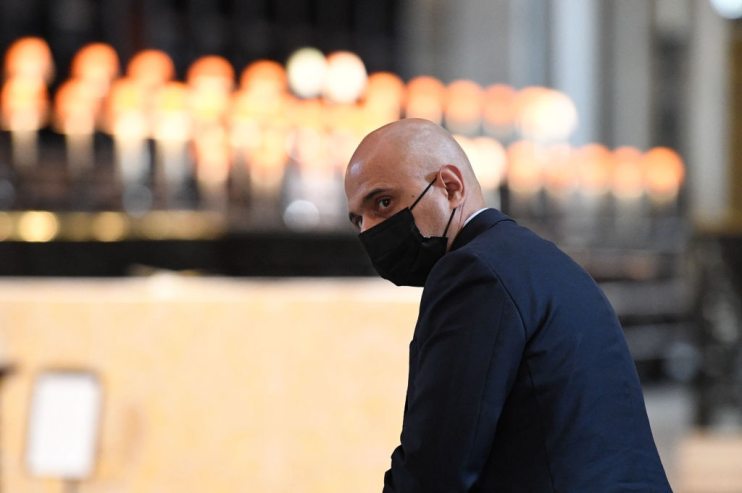
The Health Secretary Sajid Javid is pushing for a 1% to 2% rise in national insurance to fund social care and the NHS. The Cabinet are reportedly split on the size of the increase, but not on the idea itself. A manifesto-breaking tax rise of some proportion is expected to be announced next week. The sweetener will be that nobody will face social care costs of more than a certain amount—£60,000-£80,000.
These are bad ideas, for many reasons.
Sure, the NHS has struggled under the Covid pandemic. So have patients, with the waiting lists for appointments and treatment expanding and the waits getting longer. And patients are taxpayers too. It’s not as if they haven’t been asked to stump up for the NHS already—even if most of the borrowing that has funded it will be down to the next generation to pay for.
Remember too that national insurance is not really national insurance. National insurance contributions are not a premium on a state unemployment or healthcare or welfare insurance plan. Nor do they build up a fund to pay for future benefits. National Insurance is a tax that goes straight into the Treasury and then straight out again, to be spent on whatever our politicians think is good for us. In a straightforward world, NI would be merged with income tax. But that would make it too obvious just how much tax people really pay. So that is not going to happen.
And why are our leaders thinking of raising national insurance rather than income tax to pay for all this spending? Because it doesn’t show. Most NI is paid by employers not employees. So, millions of employees don’t get agitated. Employers do, but the impact on them is not so urgent politically. Sure, they pay the extra tax by cutting incomes and jobs—and NI is a direct and damaging tax on employment—but the link isn’t clear to most voters. Cynical but true.
The proposed NI rise might raise £10bn or £20bn. Not actually a lot in the great pot of waste and bureaucracy that is the NHS budget. Still, calling it a way to pay for the NHS, and to shorten waiting lists, might gain some sympathy from the public. But of course quite a bit of the increase will be quietly slipped to social care instead. Oh sure, local authority social care services are in desperate need of more cash. But who is actually going to benefit? The answer is all those relatively wealthy families who will benefit from the care cost cap and will no longer have to sell their homes to pay for their care in later life. And their children, who will inherit those houses. So much for promoting equality and all that. Just another case of taking from the poorer young to give to the wealthier old — a reverse Robin Hood.
Sadly, the oven-ready plan for social care was half baked. Nationalising it and sticking an NHS brand on it was one of Dominic Cummings’s dumber ideas. It was aimed at simply “solving”—that is, parking—the problem and getting it off the political agenda. But there is nothing around to replace it, except the cost cap for the middle classes.
Local authority social care—yes, the people who were pressured to accept Covid-infected NHS patients and thereby created a wave of deaths in care homes—is a mess. Putting more money into it is like putting more fuel into a rusty engine. It still won’t work. Local authority care homes are out of date, past their design lives, not up to standard, awkward to run and depressing to live in. We need a new partnership with private sector providers to upgrade them and help manage the service, as Paul Saper and I explained in an Adam Smith Institute paper last year. And the same with local-authority care delivered direct to people’s own homes. Is anybody actually thinking about this? It doesn’t seem so. As usual, ‘more money’ is the answer. More money from taxpayers, to be precise.
The final irony is that older people do not pay national insurance anyway. Older people get pensions, free bus passes, and various other perks and allowances, which younger people actually pay for. That’s despite the fact that older people are on average pretty well off compared with those just starting out in work (and paying taxes). The older generation have had it pretty good and the younger generation are taken for mugs. They are less than optimistic about the state taking care of them when they need it. Older people should contribute more towards their generation’s social care instead of loading yet another burden on future generations.
There are solutions to the social care problem. This thoughtless reach into the nation’s pockets is not one of them.