Nord Stream explosion signals challenging winter for Europe

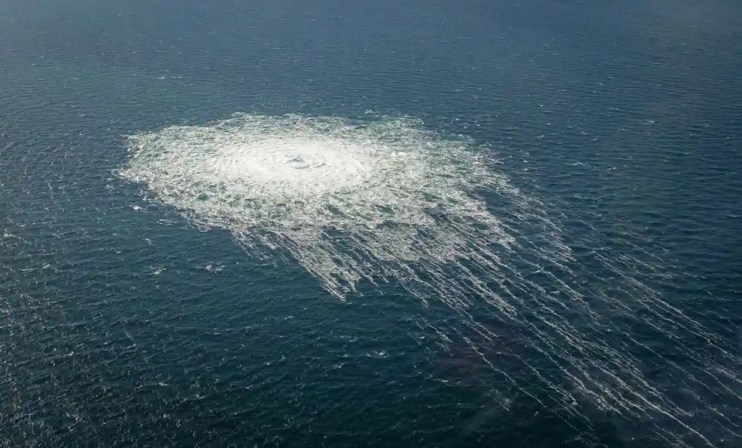
The explosions reported on the Nord Stream pipelines reflect the difficulty in forecasting gas supplies this winter, warned experts.
Three recorded instances of leaks and explosions across the Baltic Sea structures yesterday saw gas prices spike across UK and Dutch benchmarks, with domestic gas prices rising 17 per cent this afternoon after a 34 per cent hike on Tuesday evening.
The European Union (EU) slammed the explosions as sabotage – but stopped short of directly blaming Russia.
Deliberate disruption would result in the “strongest possible response”, argued the head of the European Commission, Ursula von der Leyen.
This follows both Poland and Denmark yesterday suggesting the pipelines had been deliberately damaged yesterday.
Meanwhile, Ukraine accused Russia “terrorist attack”, although this has been strongly denied by the Kremlin.
Russia has engaged in acts of retaliation to Western sanctions following the country’s invasion of Ukraine, including halting supplies via its pipelines.
Craig Erlam, senior market analyst at OANDA, also considers the latest rally to be driven by reports of sabotage.
No gas was flowing to Europe via either pipeline after the approval process for Nord Stream 2 was suspended and Nord Stream 1 was taken offline by Kremlin-backed energy firm Gazprom.
However, the explosions effectively confirm neither will be in use this winter, after weeks of doubt, and reflect the volatile and unpredictable nature of the current crisis.
He told Morning Wire: “The idea of sabotage raises further risks, at least in theory. As has been the case this year, everyone is left to speculate about what will come next without ever knowing with any certainty. But I don’t think we can be in any doubt that there will be further suspicious gas supply issues over the coming months.”
Gazprom-Naftogaz issues follow Nord Stream pipeline explosion
Ole Hansen, head of commodity strategy, highlighted that further signs of disruption were already on the way, with Gazprom issuing sanction warnings to Ukraine’s state energy firm Naftogaz.
This would prevent it from being able to pay transit fees, Hansen explained, and would “put at risk whatever little gas is still flowing to Europe via Ukraine.”
Nathan Piper, head of oil and gas research at Investec, predicted this would cause even more disruption to Russian gas supplies into the continent.
He explained: “The disruptions to the Nordstream pipelines virtually guarantee that no gas will be delivered from Russia to Germany. However the further development is Gazprom’s plan to sanction Naftogaz, operator of the Ukrainian transit pipelines that still send gas from Russia to Europe via Ukraine.
“This could mean the last volumes of Russia gas reaching Europe are curtailed just as physical demand for gas increases into winter. Russian gas volumes are already down 80 per cent year on year.”
The EU has been scrambling to secure energy supplies ahead of winter, topping up storage to 88 per cent of capacity this month.
This previously saw prices tumble, knocking as much as £60bn off forecasts for the UK’s energy support packages.
Norway’s Equinor, the continent’s largest gas supplier, revealed it had stepped up security measures at its installations following the Nord Stream incident.
“We have increased our emergency preparedness level in Norway by taking security measures at our installations offshore and on land,” a company spokesperson told news agency Reuters, declining to give specifics.
Norwegian gas supplies from the North Sea are vital to meeting Europe’s energy needs, supplying nearly the UK’s energy supplies and being Europe’s second biggest source for oil and gas.
The latest data from TotalEnergies shows that in recent days, Europe has demanded an extra quarter of supplies from the liquefied natural gas market.
This suggests demand will run well ahead of supply until 2025-26, and that the continent will be competing with Asia for supplies in the coming months.