Skip to content
Wednesday 12 August 2026London --:--Frankfurt --:--Zurich --:--
NewslettersSearchEN · DE
MorningWire

European business, markets and politics

FTSE 100
10,829.30
-0.14%
DAX
26,424.68
+0.13%
CAC 40
8,690.49
-0.28%
STOXX 50
6,551.86
+0.01%
  • Europe
  • Markets
  • Business
  • Economy
  • Technology
  • Politics
  • Opinion
More
GermanyFranceBankingAIEnergyFintechPropertyCapital Markets
  • Germany
  • France
  • Europe
  • Markets
  • Business
  • Economy
  • Technology
  • Politics
  • Opinion
  • DE
Wednesday 05 November 2014 3:59 pm  |  Updated:  Friday 07 June 2019 3:42 pm

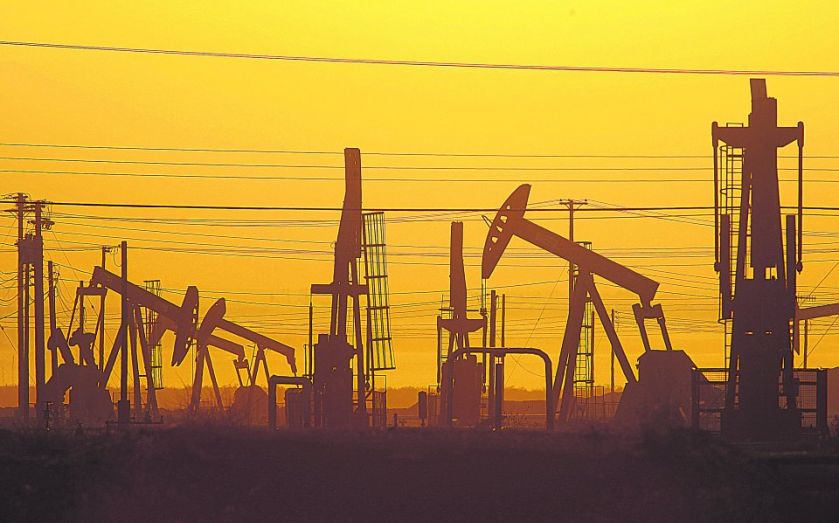
As oil prices remain depressed, could this signal the end of the shale revolution?

By: Ole Hansen

Add as a preferred source on Google

Ole Hansen, head of commodity strategy at Saxo Bank, says Yes.

A period in which crude oil prices were below $80 per barrel would begin to hurt the US shale industry.

Over the past four years, the average price of US-produced WTI crude has been north of $95 per barrel, and while this has triggered a rise in output, that hasn’t been matched by an equal rise in profitability.

The shale industry has thrived on easy access to credit, but the price slump means that financing some existing high-cost energy projects will be increasingly difficult.

Increased production from remote locations has put extra pressure on pipeline infrastructure, leading to shale oil generally selling at a discount of between $3 and $7 below WTI crude. As a result, some shale producers are currently selling oil below $70 per barrel.

These developments won’t end the shale revolution, but they could lead to a rethink on the part of financers, with production growth slowing down as a consequence.

Tom Pugh, commodities economist at Capital Economics, says No.

We doubt that the recent fall in oil prices will have a notable impact on shale production over the next few years.

The average cost of extracting US shale is likely to be well below current prices.

Indeed, the International Energy Agency has estimated that around 98 per cent of crude output from the US has a break-even cost of less than $80 per barrel.

What’s more, as firms improve techniques and processes, the cost of drilling shale wells is falling sharply. And lower oil prices are likely to accelerate this trend, as companies focus more on cost control.

Even if spot prices were to fall below marginal costs, production is relatively inelastic in the short term, with many producers hedging much of their output for the next couple of years at higher prices.

Only if oil prices fall considerably further, and then remain low for a long period, will we start to see any impact on the US shale industry.

Share this article

  • Facebook
  • X
  • LinkedIn
  • WhatsApp
  • Email

Similarly tagged content:

Sections

  • Opinion

Categories

  • Opinion

Related Topics

  • Oil prices
  • Shale gas fracking

Trending Articles

  • Five-star Mayfair hotel hit with HMRC winding-up petition

  • Nottingham Forest owner Marinakis sues Crystal Palace for defamation

  • Back to basics: Sainsbury’s gradual retreat from the British high street

  • Hargreaves Lansdown orders staff back to office

  • As it happened: Intel, Arm shares slide; Oil climbs higher

More from Morning Wire

  • Oil prices return to crisis levels

    Markets
    Close-up of a petrol pump nozzle dispensing fuel at a gas station, highlighting rising fuel costs and economic impact.
  • As it happened: Stocks rise; oil falls after Trump pauses Iran strikes

    Markets
    Donald Trump holding a red TRUMP 2028 hat, wearing a tuxedo with an American flag in the background
  • As it happened: Stocks jump as oil drops below $100; Trump in tariff blitz

    Markets
    Donald Trump speaking at a press conference with microphones, blue sky background
  • As it happened: Stocks slip as oil hits $100 following Houthi attacks on tankers

    Markets
    FTSE 100 stocks rise as Brent crude oil prices jump 1.8% to $104.98 amid Strait of Hormuz tensions and Trumps Iran stance
  • As it happened: Stocks rise as oil lower; Iran threatens ‘forceful response’ over Strait of Hormuz

    Markets
    North Sea oil terminal with storage tanks and docking facilities under a clear sky, highlighting energy infrastructure.
  • Bank of England to hold interest rates as oil price surge threatens UK economy

    Economics
    Bank of England building on Threadneedle Street, London, showcasing its historic architecture and financial significance
  • Oil price falls but Trump and Iran clash on negotiations claim

    Markets
    Donald Trump smiling in a blue suit and tie with an American flag pin, US flag in background
  • As it happened: Stocks jittery as oil nears $90; Trump ‘semi-negotiating’ with Iran

    FTSE 100 Live
    Large oil tanker navigating a strait under a cloudy sky, impacting oil prices and global trade.
MorningWire

Independent European business, markets and political news for decision-makers.

Morning Briefing

Europe

  • Germany
  • France
  • Europe
  • UK & Ireland

Business

  • Markets
  • Banking
  • Technology
  • Energy
  • Property
  • Fintech

Editorial

  • Opinion
  • Editorial Policy
  • Corrections
  • Contact

Company

  • About Morning Wire
  • Privacy Policy
  • Terms of Use
  • Cookie Policy
© 2026 Morning Wire Ltd · Published by Morning Wire Media, Bahnhofstrasse 65, 8001 Zürich, Switzerland
Privacy · Terms · Cookies · Facebook