One of Britain’s biggest killers is largely preventable. And it might only take a test
Cardiovascular disease is the leading cause of deaths in England. Many people don’t know about it, or think it doesn’t affect them – yet it is the cause of one in four deaths across England. The good news is that CVD is largely preventable and your blood pressure is the easiest way to tell if you might be at risk.
Blood pressure risk signs
Most CVD cases and deaths can be attributed to what experts call ‘modifiable risk factors’ – that means high blood pressure, high cholesterol, or smoking. They’re called ‘modifiable’ because they’re just that – if you know the risks, you can make changes to reduce that risk.
The clearest warning sign is hypertension, also known as high blood pressure.
In England, almost half of CVD deaths are attributable to high blood pressure, and around half of heart attacks and strokes are associated with hypertension, too. It’s estimated that more than 12 million people in England – more than a quarter of all over-18s – have it, and more than 4 million of us are walking around with hypertension without knowing it.
How do I know if I have high blood pressure?
High blood pressure, or hypertension, rarely has noticeable symptoms. But if it’s left untreated, it can put you at risk.
The only way to find out if your blood pressure is high is to have your blood pressure checked.
We’ve all watched television hospital dramas with doctors shouting out blood pressure numbers to each other – but what do they actually mean?
Blood pressure is recorded with two numbers. The first is ‘systolic pressure’ – the force at which your heart is pumping blood around the body – essentially a measure of how hard your heart is working. The second, lower number, is diastolic pressure – the resistance to the blood flow in the blood vessels. They’re both measured in millimetres of mercury.
As a general guide, high blood pressure is considered to be from 140/90 or an average of 135/85 if you’re testing at home. Ideal blood pressure is between 90/60mmHg and 120/80mmHg.
The targets are slightly different for those over 80 so a good blood pressure for someone in that age bracket is below 150/90.
Everyone’s blood pressure will be slightly different, but if your blood pressure is above 120/80 then you could be at risk of developing hypertension if you don’t take steps to keep your blood pressure under control.
What happens if I have high blood pressure?
When your blood pressure is too high, it makes your body work harder. It puts extra strain on your blood vessels, heart and other organs – everything from the brain to the kidneys to the eyes.
Persistently high blood pressure increases your risk of a number of serious and potentially life-threatening health conditions, such as a heart attack and stroke.
If you have high blood pressure, reducing it even a small amount can lower your risk of these health conditions.
You have to go to A&E – now
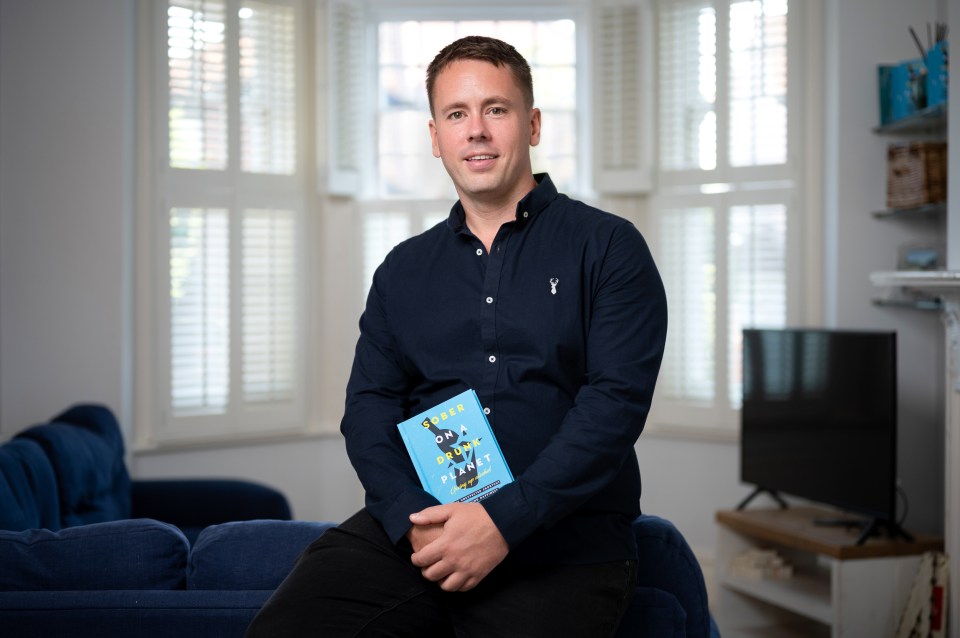
Sean Alexander was working in finance in London – and had begun to notice a ‘squiggle’ in his eye. After three weeks he went to get it checked – and the optician who did the tests told him he needed to go straight to hospital.
“They said that there was haemorrhaging behind the eye which sounds severe. So I went off to A&E, they did loads of tests on the eye, and they could see that it was the result of high blood pressure,” he told Morning Wire
Sean stayed in A&E for 24 hours, having his blood pressure monitored and beginning a course of medication which helped to relieve the symptoms of hypertension. To say Sean was surprised was an understatement.
“To be honest I didn’t really know back then about high blood pressure – it was not something that was ever on my radar,” he says.
Sean was living the life of a normal 29 year old, and by his own admission drinking and partying too much. But his diagnosis of hypertension meant he was able to make lifestyle changes which otherwise he might not have done.
“I had a friend who had high blood pressure, and whether it’s related or not, he then had a stroke. That’s the severe end of it.”
Sean has since made significant changes to his lifestyle. Quitting finance, he now works as a strength and conditioning coach, and has left alcohol and other substances behind.
Even now, he’s still on medication to address his high blood pressure.
“It’s more manageable. I take actions on my own health now, whereas before I wouldn’t have taken anything seriously. So now I make sure that I get a yearly checkup – a full 360 – so I’ve always got a marker every year to know where my health is and the areas that I need to improve.”
Sean feels lucky that he walked into that optician all those years ago.
“I think what happened to my friend sort of highlighted the fact that these things do happen,” he says today.
“And it’s one of the hardest things to try to explain to someone, because until something bad happens, you don’t really know or feel anything from high blood pressure. But in my new work, in retraining for that, you’re always learning about how bad high blood pressure and high cholesterol can be.
“The two put together are definitely not good.”
Where do I get my blood pressure checked?
The first step to addressing high blood pressure is to find out if you might be at risk.
The good news is that doing so is easier than ever.
You can get your blood pressure tested at a number of places:
- At many local pharmacies
- At your GP surgery
- As part of your NHS Health Check, available to those in England aged 40-74
- In some workplaces
- Or at home, with a blood pressure monitor
All adults over the age of 40 are encouraged to get their blood pressure checked at least every five years.
Am I at risk?
With more than 4m people walking the streets undiagnosed, it’s a fair bet that some people reading this will be at risk or may already have hypertension. But experts do know who is more at risk.
You might be more likely to develop hypertension if you:
- Are overweight
- Eat too much salt and not enough fruit and vegetables
- Don’t exercise enough
- Drink too much alcohol, coffee or other high-caffeine drinks
- Smoke
- Don’t get enough sleep or are regularly disturbed
- Are over 65
- Have a relative with high blood pressure
- Are of black African or black Caribbean descent.
Making healthy lifestyle changes can help reduce your risk of hypertension, whilst also making you more healthy generally.
How is it treated?
Healthcare professionals will advise people with high blood pressure to make lifestyle changes – but there are also drugs available, which can help bring the risks down.
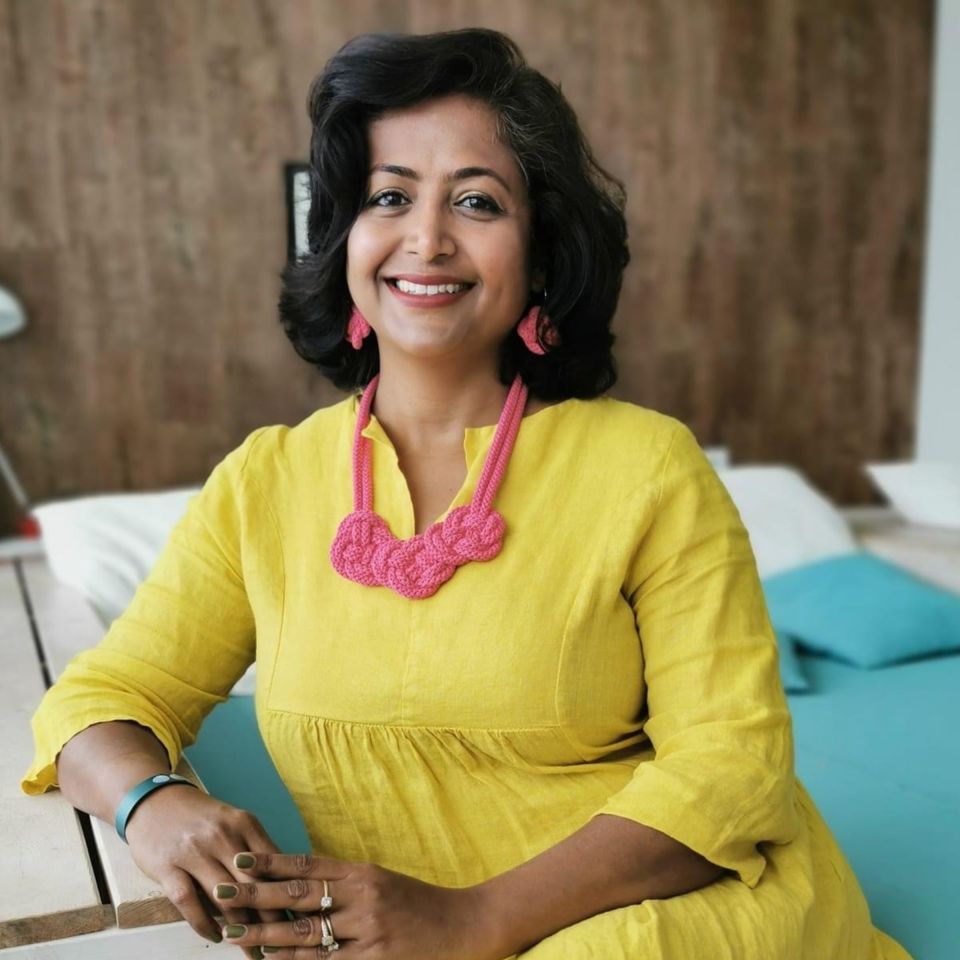
Romford-based jewellery designer Paulomi Debnath began to feel extremely tired last year – which triggered her booking an appointment with her GP.
“I’m usually quite energetic, but I noticed I was feeling tired and I had a feeling of pressure on the back of my head” she tells Morning Wire “The doctor asked me to come in for a check-up. During the visit, the doctor also checked my blood pressure and it was off the charts, so I had to have it measured regularly for two weeks and I was given tablets to lower it.”
Like many of us, Paulomi felt she lived a healthy lifestyle – but her desk-bound job made her less active than she thought for large parts of the day.
She’s trying to get up and about more now to add in small amounts of exercise to her daily regime.
“I love walking and swimming, but my job making jewellery is very desk-bound so I realise I’m not very active so I’ve now bought a standing desk,” she says.
“I’d 100 per cent recommend that anyone over 40 gets their blood pressure checked because often there are no symptoms if it’s high. It only takes a minute.”
It only takes a minute
Paulomi Debnath
To know, you need to test
The only way to know if you have high blood pressure, or are at risk, is to get tested. So get yourself tested – the NHS is ‘open for business’ and getting an early diagnosis is the best way to keep stress off the health service this winter.
Remember, CVD is largely preventable – but the only way to know, is to know.