The Oxbridge obsession ignores the potential for social mobility in businesses

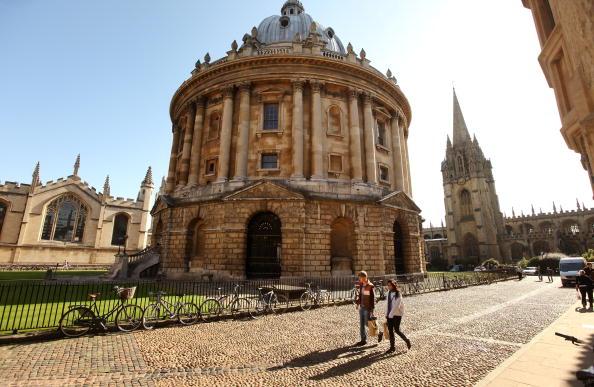
Where you were born and what your parents do still matters for the opportunities you will have and the progress you will make in the UK. It’s not fair, but it’s true. Achieving social mobility in our society is one of the most important challenges both government and business face today. It’s unsurprising then that Katharine Birbalsingh, the social mobility tsar, was met with fierce debate when she challenged the current narrative that social mobility success means going to Oxbridge.
We should widen the debate about the role of universities in social mobility. Of course work needs to continue to ensure a good proportion of university undergraduates come from lower–socio economic backgrounds. But only a small number of people will go to Oxbridge and we have the opportunity to create change that isn’t just about the drafty halls of education institutions, but the lives of hundreds of thousands people, from a cleaner to manager, barista to chef.
I come from a family of so-called frontline workers – those who work behind the counter, clean the floors or serve your food. Working your way up is not an easy task. If we tell kids the only way to do it is through a rubber stamp from a top university, we will lose huge potential in our economy for social change.
There are many barriers to entry. Many of them are “soft” skills, things like confidence, awareness of wider opportunities and being surrounded by the right people to provide training, mentoring and support. Recent figures from the Social Mobility Commission found people from a privileged background are still 60 per cent more likely to get a professional job than their working class peers.
The challenge is not just about who goes to what schools, but what businesses can do. Hospitality is an example of an industry that is barrierless. People can train on the job regardless of their background and there are more pathways to progress from frontline jobs to management positions, and from there into senior corporate roles.
But it’s not just consumer-facing industries that can provide those opportunities. Take the example of KPMG. The professional services firm has student engagement programmes and support within the business for underrepresented groups. These kinds of diversity strategies help to break down the cultural barriers to entry, improve retention and will eventually improve the opportunities for people from less advantaged backgrounds to take senior management positions.
Businesses should develop apprenticeship programmes aimed at underrepresented groups that will provide the practical skills to bolster application. Some careers – such as engineering – might require pre-existing academic expertise but there are many jobs where practicality is valued as much as academic knowledge. Equally, the government must loosen restrictions on the apprenticeship levy to help businesses invest in diverse talent.
There also need to be clear pathways within the business for career development. Businesses must identify the barriers to progression and make the necessary interventions. It’s one thing getting a diverse talent pool in your junior roles; the real challenge is getting to a place where underrepresented employees are ready to step into middle and senior management roles.
It is important to regularly report and measure progress in diversity. Until gender pay gaps had to be published, much of the disparity was only known about through whispered conversations. Women fell behind. With reporting and transparency, we could start to remedy that. Measurement and data help target the right interventions and ensure they make a real difference.
If we stop obsessing about the university path – the opportunity to make a difference exists now.