A ‘policy light’ spending review must still grapple with cost of living woes
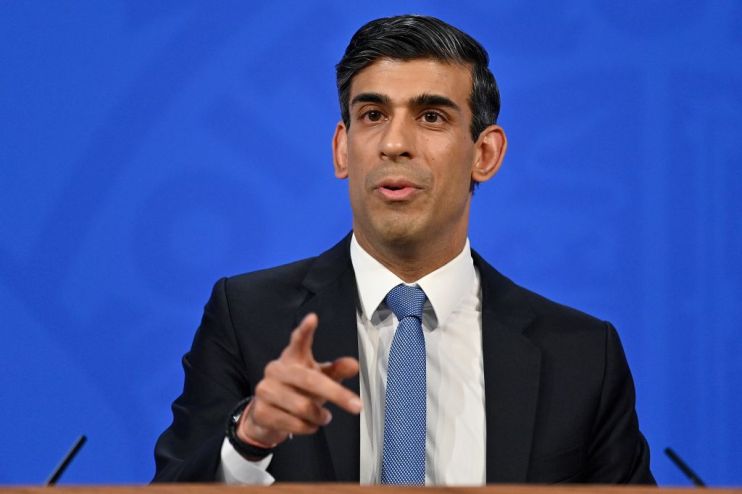
Chancellor Rishi Sunak wants onlookers to pay little attention to Wednesday’s spring statement. Policy-light has been the line from the Treasury.
Very few have been tempted into believing the Chancellor will sit on his hands and Sunak’s announcements tomorrow are set to finally reveal his true preference for the level of state intervention in the British economy.
Some of the more traditionally conservative minded on the Tory backbenchers would argue the state muddling with the economy has intensified the cost of living crunch hitting British households by tying the knot between business and politics ever tighter.
The cap on energy bills has, arguably, weakened incentives for smaller firms to hedge their supplies as a result of the policy preventing the market to settle on a higher equilibrium price.
Prices were too low and inexperienced managers cut corners to maximise profits. Eventually this lead to a wave of smaller companies going to the wall once gas prices jumped.
Last autumn’s gas price spike had already shaken out most fragile firms from the industry. There are now far fewer providers for consumers to pick from. Competition has been watered down and, as a result, households have suffered.
The government has attempted to bridge the gap between what could have been lower bills without the price cap by providing a council tax rebate.
Sunak is not going to scrap the price cap but he may step up existing support for households.
If so, borrowing would jump. But the political costs of failing to support households through one of the worst erosion of living standards in a generation would be catastrophic, with the potential to impact the electability of whoever is in No10 by the time the next ballot swings around.
The public finances are in a much better position than forecast at the October budget, owing to higher than expected tax receipts stemming from strong economic activity.
Analysts at Deutsche Bank estimate borrowing will be a shade over £20bn lower than the Office for Budget Responsibility expected, driven by income, corporation and VAT receipts racing ahead.
Sunak is widely expected to use some of that extra fiscal headroom to cut fuel duty. He may need to back up all of the UK’s posturing against Russian President Vladimir Putin by signalling a jump in defence spending in the coming years. This will eat into some of Sunak’s wiggle room at future budgets, something he will be mindful of on Wednesday.
The UK is currently going through a nasty bout of “cost-push” inflation caused by commodity prices going on a tear as a result of Russia’s war with Ukraine and ongoing disruption to trade flows caused by the pandemic.
Under these circumstances, increases in the cash value of the government’s tax take tends to be cancelled out by lower demand due to wages not keeping pace with price rises.
Inflation – driven by pay increases – tends to boost government’s coffers by raising receipts yielded from taxes on employment, such as national insurance contributions and income tax. Higher wages also lift consumption, increasing tax yields on sales.
Even an extremely tight jobs market has not been enough to push pay above inflation. The Office for National Statistics’s latest labour market figures revealed real wages are dropping at the fastest rate since 2014.
Nonetheless, officials at the Bank of England have sounded the alarm on price pressures persisting if supply and demand imbalances in the jobs market do not resolve themselves soon. Concern was so high that Governor Andrew Bailey asked people to temper pay demands.
Inflation is already running at a 30-year high of 5.5 per cent, prompting the Bank to begin what is expected to be a sharp tightening cycle this year.
Markets think rates will land at around two per cent by December. They have already been lifted to their highest level since before the pandemic, increasing the government’s borrowing costs.
With the Bank switching policy from supporting the economy through the Covid-19 crisis to taming price rises, it is now the job of fiscal policy to step in.
Sunak has been at pains to insist Wednesday’s will be worth a second glance. What he does or does not do will shed light on his economic philosophy.