Polystyrene: The turnaround from misperception to circularity success
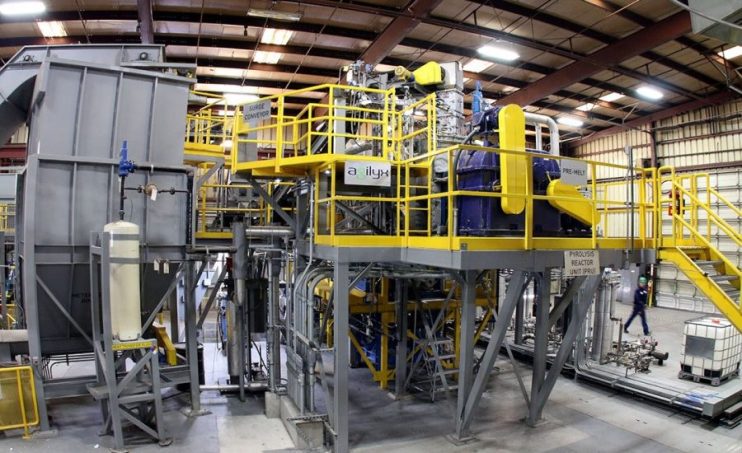
Image: Polystyrene’s circularity in action with Agilyx’s recycling technology at the Regenyx facility in Tigard (photo by Agilyx).
Polystyrene is very widely used, with approximately 800.000 tons sold into the European Union packaging market every year and several million tonnes of virgin polystyrene produced globally every year. It lends itself well to safe food packaging, healthcare product containers, insulation materials, consumer electronics and even safety equipment such as bicycle helmets. However, the material still suffers from a reputation that it cannot be recycled, despite the fact that it is one of the best-suited polymers for recycling. How is the material’s reputation so different to the highly recyclable reality?
Image Issue
The truth is that this is a polymer with an image, rather than a recycling problem. Polystyrene is not only highly recyclable, using similar food-safe methods to those that recycle other plastics, it is actually the best polymer for the circular economy, with three cutting-edge advantages:
- Using innovative chemical recycling processes, it is the polymer that can be most easily reversed to its original monomer
- Unlike other polymers, it is chemically reversed to only one monomer and this can be achieved at a very high yield.
- Its monomer is a liquid, which enables easy purification compared to solid or gaseous monomers.
Polystyrene-based products can therefore have multiple lives and be re-used again and again in high-quality applications including food contact materials (FCM).
Recycling Potential
“The potential for recycling of styrenics recycling is enormous. That has previously not been widely understood,” says Jens Kathmann, Secretary-General of Styrenics Circular Solutions (SCS), an industry initiative aimed at jump-starting the recycling rates of styrenics after and into their next use-phase.
Formed last December 2018 by leading styrenics manufacturers that today include INEOS Styrolution, Repsol, Total, Trinseo and ENI Versalis, SCS aims to develop and scale up the use of innovative polystyrene recycling technologies. By engaging with the entire value chain of polystyrene production, including producers, converters, recyclers, brand owners and trade associations, it then seeks to change the game by steering styrenics away from incineration to collection and sorting, and bringing them back into closed loops.
“With a view to recycling, Polystyrene offers unique properties,” says Kathmann. “Polystyrene is the most circular polymer because of its unique intrinsic capability to be fully recycled.
“No other mass-produced polymer can be that easily recycled achieving such a high monomer yield and be as fully recovered for re-use once broken down into monomers.”
Technology Breakthrough
SCS has identified depolymerisation and dissolution as optimal technologies for converting used polystyrene-based products back into high-quality virgin material.
Depolymerisation thermally returns polystyrene into its original building block styrene monomer, which can then be polymerised and converted again into polystyrene or any other styrenic polymer and used for any high-quality application, including food-grade products. Dissolution meanwhile dissolves mixed-used plastics in a solvent, extracting impurities and producing recycled polystyrene that can be used as building and construction materials. SCS is also working on food-grade mechanical recycling,a very promising process for polystyrene.
Polystyrene Recycling and the Circular Economy
From a complexity point of view, polystyrene is the easiest polymer to recycle with the emergent game-changing technologies of the circular economy. From there, the recycled monomer can be converted into the highest-quality styrenic applications, even for food contact and used just as freely as products made from virgin material. Polystyrene therefore has unique potential for circularity that can contribute significantly to the European Commission’s recycling targets.
“Recycling of valuable high-quality plastics such as styrenics benefits consumers and the planet,” says Kathmann, adding: “The styrenics value chain has a particularly big role to play because of the polystyrene’s unique capacity for recycling. It is unparalleled in terms of being fully returned to its original form and continuously recycled.”
Challenges Ahead
Polystyrene’s intrinsic circularity can only be unlocked when products containing it are properly collected, sorted and channelled for recycling, so recycling technologies are not enough. The effort also has to focus on collection and sorting partnerships. One challenge is to bust the myth that styrenics are difficult to collect and sort.
“With today’s existing technologies, post-consumer styrenics can be perfectly sorted out of mixed plastic waste alongside other polymers and then further sorted into their different product groups,” says Kathmann. “Policymakers need to be on board to promote the harmonisation of separate collection and sorting practices of all plastics at European, regional and local levels.”
SCS is working with regional collection and sorting partners to increase separate collection and sorting of all plastics to step up the supply of used styrenics products to recycling processes.
“The ‘critical mass’ is there,” says Kathmann. The technologies, processes and systems to recycle the world’s polystyrene already exist. Now the battle is to win hearts and minds and make polystyrene recycling a successful reality.”
Article written by Andrew Cave
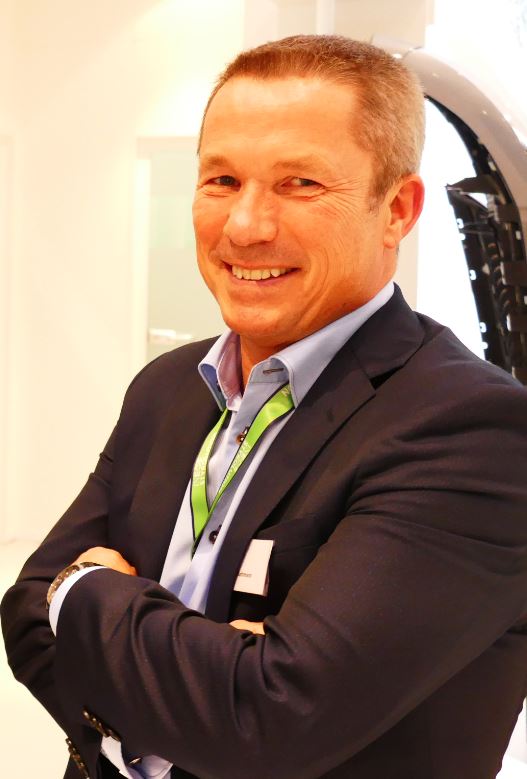
Jens Kathmann, Secretary-General of Styrenics Circular Solutions
www.styrenics-circular-solutions.com
@SCS4Circularity