Can Primark go it alone after ABF split?

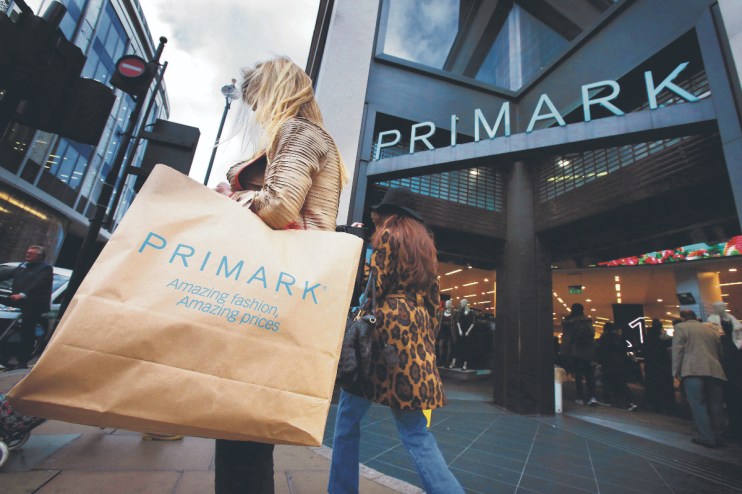
FTSE 100 giant Associated British Foods ended months of rumour when it announced its demerger from Primark. Felix Armstrong explores how the budget clothes retailer will fare on its own.
Walk into Oxford Street’s Primark, battle through the tightly packed rows of cut-price clothing, and your eyes will seize on the bright blue lights of a Gregg’s bakery. Though this may seem a marriage of convenience, the partnership between the two high street stalwarts reveals their unlikely similarities.
Both feature a resolutely affordable offering when all of their rivals seem to be eyeing the posher end of the market, and both continue to defy gravity as they eye aggressive expansion.
Despite fears Brits have reached “peak Greggs,” the Newcastle-based bakery is aiming to open 120 more stores this year. And Primark, refusing to take heed from a market in which Temu and Shein seem to be making fast fashion unfashionable, has plans to reach its 21st global market.
Primark, ever the gutsy younger sibling of its distinguished owner, Associated British Foods (ABF), has finally been given the chance to stand on its own two feet. On Tuesday, the FTSE 100 firm confirmed one of the industry’s worst-kept secrets when it announced its intention to spin off the budget clothes seller.
Primark and ABF – which includes Kingsmill, Twinings, Jordans cereals among a host of other food brands – will be split off next year, with expectations they will both stand as FTSE 100-listed companies in their own right.
Chief executive Eoin Tonge will hope Primark can continue its long standing high-street resilience out of the shadow of its owner, though the stock market jitters which followed the announcement suggest this divorce may not be plain sailing.
Westons wade into choppy waters
Associated British Foods is owned by the billionaire Weston family, and was founded by its current boss’ grandfather, Willard Garfield Weston, in 1935. The firm grew rapidly, snapping up a number of bakeries, before acquiring British Sugar in 1991 and listing on the London Stock Exchange in 1994.
The conglomerate had provided steady returns for the Westons, Britain’s sixth-richest family, and the firm paid out £202m in dividends just last year, most of this going to the Garfield Weston Foundation.
ABF’s share price has been in steady decline since 2024, as a number of profit warnings cast doubt on the reliability of the firm’s spread of assets across the supermarket shelves. Last April, chief executive George Weston admitted he was “frustrated” over the performance of ABF’s sugar division, which analysts say is in structural decline.
Low European sugar prices and droughts in Africa had hit this part of the business, dragging down ABF’s overall performance. Weston spoke then of his “increasing confidence” that the sugar business could recover, but Thursday’s results dealt another blow.
Revenue in the Westons’ sugar business fell by 5.8 per cent to £971m, amid a worsening outlook for its Spanish sugar firm, Azucarera. But this time sugar was not the sole drag on the firm’s performance. Revenue at every part of the business fell in the year to February, apart from retail – the one arm which ABF has opted to offload.
The firm’s grocery arm saw revenue dip by 0.8 per cent to £2.1bn, taking a hit from higher cocoa costs and Trump tariffs. The President’s tariff regime was among a number of external factors which built towards a tone of anxiety in these results, as ABF also cited the risk to supply chains posed by the blockade of the Strait of Hormuz and “weak” consumer confidence which could “deteriorate further”.
Overall, group revenue dipped by two per cent to £9.5bn and pre-tax profit fell by nine per cent to £632m. ABF’s share price fell by as much as seven per cent on Tuesday, before stabilising slightly to a two per cent fall, leaving the stock at 1,844p, down 13 per cent this year.
Primark eyes blue skies
While the Primark spin-off was the headline news from Tuesday, analysts say the share price dip came in response to ABF’s soft financials, with the demerger having largely been “priced in” since the strategic review was announced last year.
Indeed Primark has been punching above its weight for years, and new chief executive Eoin Tonge may rightly be looking forward to his moment in the limelight. The budget clothes seller is used to contributing the biggest share of revenue to the group, but stock broker Robinhood UK points out it has been overperforming on profit.
While it historically drives 50 per cent of ABF’s revenue, Primark tends to account for about 70 per cent of the group’s profit, according to analyst Dan Lane. While ABF’s food businesses could take a hit from the supply constraints of the Iran war – due to their reliance on fertiliser imports – Primark’s supply side is more resilient.
The clothes seller could take a sales hit if inflation fears around the conflict push shoppers to tighten their purses. But Primark’s reputation for basic, cost efficient clothing makes it a far less likely victim of cuts to discretionary spending than its trendier high street neighbours.
Primark’s sales performance – which remained steady enough despite a poor consumer backdrop – emphasises its anachronistic presence on the high street. While shoppers are supposedly cutting back, and opting for longer-lasting, more ethical alternatives when they do spend, Primark appears resilient.
The retailer saw overall sales grow by two per cent, with like-for-like sales in the UK up 1.3 per cent. The brand performs worse in Europe, where a Primark-Greggs mashup would mean less than a poorly-baked croissant to these chic shoppers. Consumers on the continent are far less likely to feel a patriotic attachment to Primark’s long history, and like-for-like sales accordingly slumped by 5.6 per cent.
Brokers seem unconcerned about Primark’s ability to go it alone on the FTSE 100, but have been scathing about ABF’s prospects. Adam Vettesse, market analyst at eToro, said now is the “worst possible moment” for the Westons to make this move.
“Stripped of Primark’s cash generation, the standalone Food business faces immediate market scrutiny with US tariff headwinds battering Twinings and Patak’s, sugar in structural decline, and no clear recovery catalyst on the horizon,” he said.
All is not rosy for Primark but its loyal British shoppers – who account for nearly half of its market – seem unlikely to budge, even in the toughest of economic circumstances. Chief executive Eoin Tonge – like Primark, a Dubliner – would do well to play to his fashion juggernaut’s peculiar brand loyalty, a quality lacking in ABF, a mishmash of brands which most consumers use but would rarely rave about.