Pylons, wind turbines and why the public love green infrastructure

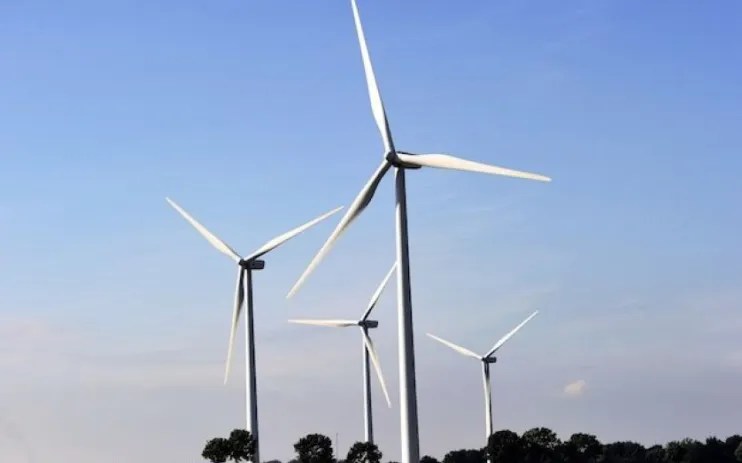
The Conservatives are wrong to assume that just because the ‘liberal elite’ support something most people oppose it. Most voters support green infrastructure like wind turbines in their local area and the polls prove it, says Chris Curtis
Ever since David Cameron decided to cut the “green crap” in 2013, the UK hasn’t been properly investing in green energy infrastructure.
This has led to a situation where the grid is almost unable to cope with current demand, let alone the extra pressure that will be placed on it as we electrify more of our energy use over the next decade. Due to restrictive changes made to the planning rules by the Conservative Party, Ukraine has been building more onshore wind turbines during a state of war than we have been building in the UK.
The reason often given is fear of local objections – particularly the impact that pylons or wind turbines might have on a local environment. But poll after poll has shown that these fears are misplaced.
The European Climate Intelligence Unit recently polled both voters and MPs on attitudes to onshore wind farms. Two thirds (or 64 per cent) of Conservative MP’s thought that people in their constituency would oppose a wind turbine being built.
This shows you just how out of touch the Tories are. In reality, nearly all voters, including a whopping 71 per cent of Conservative voters, would support projects in their local area.
While other developments – such as housing, roads, or factories – can be deeply controversial locally, polls show that isn’t the case with green energy infrastructure. Unlike some of those projects, green infrastructure is usually more pleasant to look at and doesn’t put extra pressure on local roads or services.
So why have the Tories got themselves into this position?
First, since Brexit, many within the Tory party believe that, if “liberal elites” support something, then most voters must oppose it. One particular Tory MP has recently made regular interventions in Parliament about the types of coffee drunk by Londoners. This shortcut may work for some issues, but it is an overcorrection regarding climate changes or green infrastructure.
Secondly, too often politicians listen to a loud minority over the quieter majority. While it may only be 17 per cent of Conservative voters who oppose such projects, these will be the ones who protest, send emails, turn up to meetings, and bring the issue up on a doorstep.
Finally, the Conservatives have spent too much time listening to their members and not enough time listening to the country. The many leadership elections have elevated the fringe views of just 0.2 per cent of the population in Tory MPs’ minds, at the expense of the swing voters who decide elections.
A YouGov poll in 2022 showed that reaching net zero carbon was the lowest priority for Tory party members, with just four per cent thinking it should be one of the main focuses of the party leadership. Compare that to the reality of the climate crisis – already making itself felt in the UK.
Even now, many senior Tory MPs are concerned about positioning themselves ahead of an inevitable leadership election following Rishi Sunak, rather than concerning themselves with how to win the General Election.
And of course, these policy decisions have had severe consequences.
When Russia invaded Ukraine, the UK was less secure than it needed to be. This lack of investment meant that, rather than generating green energy in the UK, we were reliant on foreign oil and gas. When there was a global surge in prices, it meant higher bills for homes and businesses.
Some estimates have shown that Cameron’s original decision to “cut the green crap” added a total of £2.5bn pounds on to energy bills.
The government stepping in to subsidise bills has dramatically increased government borrowing, meaning there is now less money available for other public services. This is one of the reasons why the UK ended up with the highest tax burden in 70 years.
We can’t afford to make a mistake that costly again.
The Labour party, on the other hand, has rightly made this one of the key battlegrounds at the next election, as part of their broader focus on the economy and the cost of living. The party has policy commitments to reverse the Tories disastrous restrictions on onshore wind and set up a new publicly owned company – GB Energy – that will invest in green, homegrown energy.
If the Tories had any sense, they would start listening to voters, and follow suit.
Chris Curtis is a pollster at Labour Together