
Q&A: what is COP15 and why should investors care?

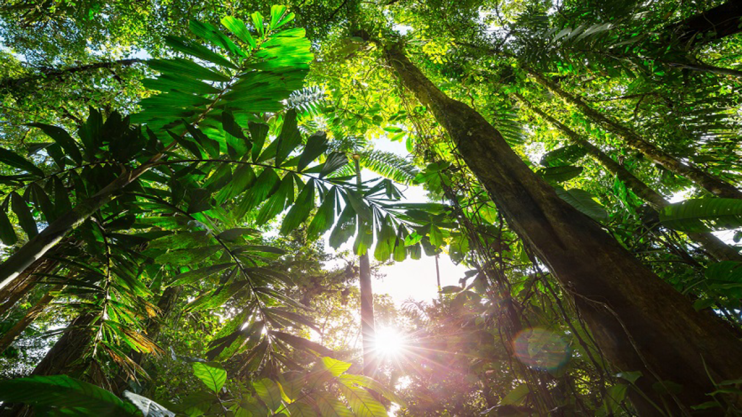
The UN biodiversity summit COP15 is taking place in Montreal, Canada, next month. We explain why it matters.
COP27, the UN climate summit, is well-known as the world’s biggest conference on climate change. But many people may be unaware of what COP15 is and why it’s important. In this quick Q&A, we look at why there are two big COP events in 2022, how they differ and what this has to do with investing.
What is COP15 and how is it different to COP27?
COP15 is the UN’s next biodiversity conference.
The theme this year is Ecological Civilisation: Building a Shared Future for All Life on Earth. It will be the biggest biodiversity summit in a decade and has been delayed for two years because of the Covid-19 pandemic.
While COP27 is the United Nations’ climate conference and COP15 its biodiversity summit, climate and nature are inextricably linked.
There are three meetings focused on achieving global pledges on biodiversity being held in Montreal, Canada, from 7-19 December. The focus of COP15 is on agreeing a ‘post-2020 framework towards a 2050 vision of living in harmony with nature’.
This is the 15th meeting of the Conference of the Parties (COP) to the Convention on Biological Diversity (CBD).
What is the Convention on Biological Diversity (CBD)?
The CBD came into force on 29 December 1993. It is a legal instrument governed by the Conference of the Parties.
It has three main objectives. The conservation of biological diversity, the sustainable use of the components of biological diversity, and the fair and equitable sharing of the benefits arising out of the utilisation of genetic resources.
Why does the biodiversity summit matter?
The conference follows stark warnings about humans’ impact on nature, biodiversity loss and its importance. For example:
- The Amazon, the world’s largest rainforest, could “cease to function” as a carbon sequestering climate ecosystem within the next decade, according to a new report from WWF.
- Monitored wildlife populations – mammals, birds, amphibians, reptiles and fish – have seen a dramatic 69% decline on average since 1970, The Living Planet Report, also from WWF, has found.
- Marine and terrestrial ecosystems are the sole sinks for anthropogenic carbon emissions, with a gross sequestration of 5.6 gigatons of carbon per year (the equivalent of some 60% of global anthropogenic emissions), according to research in the Intergovernmental Science-Policy Platform on Biodiversity and Ecosystem Services (IPBES) 2019 report.
- More than 75% of global food crops, including fruits and vegetables and some of the most important cash crops, such as coffee, cocoa and almonds, rely on animal pollination, it found.
Antonio Guterres, UN Secretary-General, has said: “We are losing our suicidal war against nature. The rate of species loss is tens to hundreds of times higher than the average of the past 10 years – and accelerating… Ecosystem collapse could cost almost $3 trillion annually by 2030… COP15 is our chance to call a ceasefire…it should lay the foundations for a permanent peace agreement.”
Sarah Woodfield, an active ownership manager specialising in biodiversity and natural capital, said the conference comes “against a backdrop of limited progress towards the 2020 framework, with multiple studies demonstrating the alarming rate at which manmade biodiversity loss is occurring in every ecosystem.”
She added: “Halting and reversing biodiversity loss is also critical to reaching climate change commitments.”
The architects of the Paris Agreement have called on world leaders to create a “sister deal” to the 2015 treaty at COP15 this December.
What will be discussed and agreed?
The ambition of the conference is to reach agreement on urgent policy action required to achieve the following ambitions:
- 2020-2030 – stabilisation (of trends that have exacerbated biodiversity loss);
- 2030-50 Recovery of natural ecosystems; and 2050 – net improvement – living in harmony with nature.
Sarah Woodfield said: “However, as governments have had to deal with the fallout from the Covid-19 pandemic, war in Ukraine, and soaring inflation, there are concerns that there isn’t sufficient political will to address this urgent crisis.”
The text published last year includes “four goals, 10 milestones and 21 action targets to 2030”. A headline goal is “30 by 30”, an ambition to ensure that 30% of world’s land and oceans are designated as protected areas by 2030.
What do biodiversity and nature-loss have to do with investing?
Schroders’ Global Head of Sustainable Investment, Andy Howard, spoke as part of a panel on “What contributions can companies make to COP15 on biodiversity?” (a replay is available on YouTube here).
He explained: “There’s been huge amounts of focus on climate change, quite rightly, over the last few years, but I see it as symptomatic of a bigger challenge – and that bigger challenge is really the inevitable conflict from growing demand and finite resources.
“The natural environment is well past the point of being in credit, we’re in a deficit and that deficit is getting bigger. That creates risks, that creates opportunities, but fundamentally it requires us in the finance industry to think differently about what our role is and what we do.
“Across a whole range of areas, fundamentally the asset management industry is about connecting capital to areas of need and there are few greater areas of need than the need to invest in and support the natural environment.”
More from Schroders on this topic: