Rejected: Promising prostate cancer drug that AstraZeneca claims can extend men’s lives as it is ‘not good use of NHS funds’

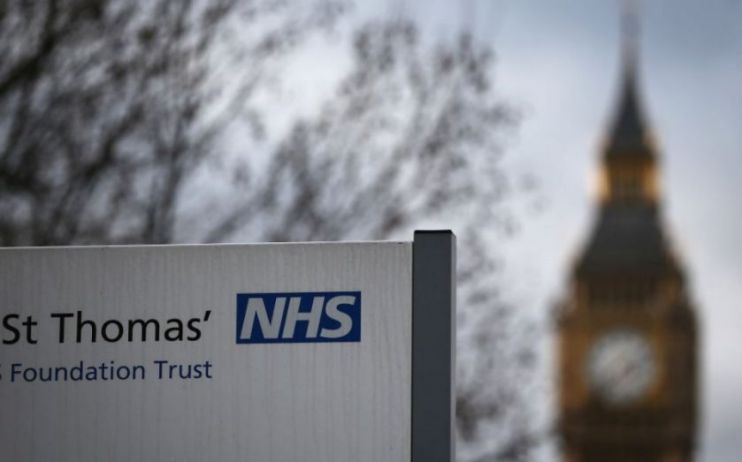
A promising, much-talked about drug that has the potential to extend the lives of some men with prostate cancer has been rejected for use on the NHS.
In draft guidance, the National Institute for Health and Care Excellence (Nice) said the evidence around olaparib (also called Lynparza) was uncertain and approving it would not be a good use of NHS funds.
Nice said the list price of the drug is £2,317.50 per pack of 56 tablets (14 days’ supply), with the cost of an average course of treatment being £37,491.
AstraZeneca, which manufactures the tablets, has a private commercial arrangement which makes olaparib available to the NHS with a discount.
In its guidance for England and Wales, Nice said the drug should not be used for men with hormone-relapsed prostate cancer with BRCA1 or BRCA2 mutations which has spread to other parts of the body.
It looked at people who had already had treatment with the hormone therapies abiraterone or enzalutamide.
The current treatment for prostate cancer that has spread and no longer responds to hormone therapy is chemotherapy with docetaxel, cabazitaxel or radium‑223 dichloride.
Nice said that clinical trial evidence shows that people taking olaparib have more time before their disease gets worse and live longer overall than people having retreatment with abiraterone or enzalutamide.
However, it said retreatment with abiraterone or enzalutamide is not considered effective and is not standard care in the NHS.
Nice also said it is uncertain how effective olaparib is compared with docetaxel, cabazitaxel, or radium‑223 dichloride because there is no evidence directly comparing the medicines.
An indirect comparison suggests that olaparib increases how long people who have had docetaxel live compared with cabazitaxel, but this is also uncertain, the watchdog said.
The Institute of Cancer Research (ICR), London, whose scientists were the first to demonstrate that PARP inhibitor drugs such as olaparib could be particularly effective in BRCA-mutant cancers, said it was disappointed by the news.
Results from the 2019 PROfound trial showed that men with prostate cancer who had certain faulty genes lived an average of 7.4 months before their cancer progressed, compared with 3.6 months for those who received enzalutamide and abiraterone.
Johann De Bono, professor of experimental cancer medicine at the ICR and leader of the PROfound trial, said: “Olaparib is a precision drug that can extend life for men with some mutations in their tumours while sparing them the side-effects of chemotherapy.
“I was delighted when olaparib was approved for NHS patients in Scotland earlier this year – and it’s disappointing that this decision means their counterparts in England and Wales will miss out on such a valuable new treatment option.
“It’s an example of the barriers that exist to making innovative drugs available at prices that the NHS can afford and is going to result in postcode prescribing across the UK.”
Johann De Bono, professor of experimental cancer medicine at the ICR
Professor Kristian Helin, chief executive of the ICR, said: “This is a disappointing decision that will deny men with advanced prostate cancer in England and Wales a personalised treatment that could allow them to live longer and stay healthier.
“I urge Nice and the manufacturer to come back to the table and try to find agreement on a way to make olaparib available at an agreeable price.
“We must also address the systemic issues we face in providing NHS patients with access to innovative cancer drugs at appropriate prices.
“The NHS needs to show more flexibility in the way drugs are priced from one indication to the next, to ensure new drugs can reach more patients, and pharmaceutical companies in return must be prepared to offer discounts if drugs do not work as well as promised.”
Professor Gillian Leng, chief executive of Nice, said the body was disappointed not to be able to recommend olaparib for these men.
She added: “However, the company’s own economic model demonstrated that the drug does not offer enough benefit to justify the price it is asking.
“We’ll continue working with the company to try and address the issues highlighted by the committee.”
It is estimated that around 100 people with hormone-relapsed prostate cancer would have been eligible for treatment with olaparib.