‘Resource nationalism’ is here to stay argues EV Metals boss

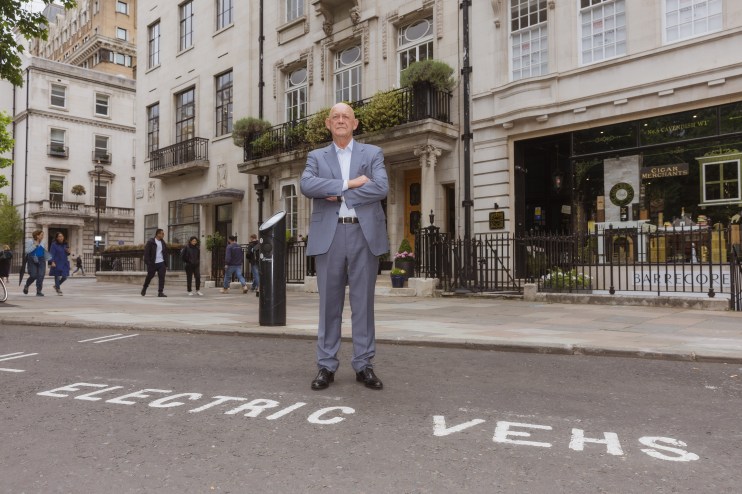
“Resource nationalism” is here to stay following Russia’s invasion of Ukraine, argued EV Metals Group (EVM) chief executive Michael Naylor.
He told Morning Wire that the outbreak of conflict in Ukraine was likely to accelerate the “geopolitical alignment” of supply chains, where countries with shares interests would band together to procure and protect raw materials for products and services such as electric vehicles and their batteries.
Naylor explained: “We’re going to see resource nationalism and with that industrial nationalism. It means simply this: geopolitically allied countries will develop and supply these critical raw materials. Similarly, geopolitically aligned countries will also develop the industrial infrastructure and the processing plants required to produce these high purity chemicals and cathode active materials.”
He also suggested that the “geopolitical alignment in Western world will not involve China,” as developed economies across Europe, Australasia, and North America become more wary of being reliant on countries with different interests to their own.
EVM acquires Johnson Matthey battery division for £50m
EVM is a Saudi-Australian battery chemicals and technology business, focused on the clean energy transition.
Founded in 2014, the company owns large-scale lithium, cobalt manganese and nickel deposits in Australia.
It specialises in high purity chemicals and cathode active materials for use in rechargeable batteries used in electric vehicles and renewable energy storage.
EVM piqued the interest of the energy sector last week, snapping up Johnson Matthey’s battery materials division in a £50m deal – its first foray into the UK market.
The buyout also includes Johnson Matthey’s technology centres in Oxford and Billingham, its research centre in Germany and a partly constructed site in Poland for eLNO production.
eLNO is a jet-black substance made from nickel, cobalt and lithium Johnson Matthey believes could transform the EV industry by increasing the range and reducing the cost of batteries.
The division contributed to Johnson Matthey’s painful £217m losses this year, but Naylor outlined that EVM’s strong upstream supply chains – its ownership of metals – meant the division could thrive at the company.
He said: “Those metals include lithium, nickel, cobalt, manganese amongst others. They are the critical raw materials required for ultimately the production of high energy density cathodes. We are a battery chemicals and technology company, but we have the unique position of owning upstream from metals in the grounds right through to the production of high purity chemicals in the form of cathode-active materials for electric vehicle manufacturers and battery cell manufacturers.”
Securing raw materials key to growth plans
Forecasting future challenges in the market, Naylor said the company was forecasting “major structural deficits in the supply of lithium and nickel” from 2025-26 onwards, due to strains in supply chains.
This could lead to rising prices for raw materials, which Naylor argued electric vehicle manufacturers and battery manufacturers had to factor in to their business decisions.
He said: “If they can’t get the raw materials to support their growth plans, they either stagnate or go out of business. It’s only recently that global markets have started to question whether electric vehicle companies can actually grow their businesses at the rates they’re forecasting because of uncertainty or threats around supply chains.”
Naylor noted that despite a flurry of interest in battery development as electric vehicles break into the mainstream, most new battery cell manufacturers outside China don’t have a long term supply of raw materials.
He believed this outlined the importance of companies maintaining and owning resources key for the production of their products.