Skip to content
Monday 24 August 2026London --:--Frankfurt --:--Zurich --:--
NewslettersSearchEN · DE · FR
MorningWire

European business, markets and politics

FTSE 100
10,854.32
+0.35%
DAX
26,106.60
-0.11%
CAC 40
8,453.01
-0.37%
STOXX 50
6,447.98
-0.22%
  • Europe
  • Markets
  • Business
  • Economy
  • Regulation
  • Politics
  • Opinion
More
GermanyFranceEU InstitutionsCompetitionPublic AffairsBankingTechnologyEnergy
  • Germany
  • France
  • Europe
  • Markets
  • Business
  • Economy
  • Regulation
  • Politics
  • Opinion
  • DE
Monday 26 June 2023 12:47 pm  |  Updated:  Monday 26 June 2023 1:23 pm

Rich Brits only group to pocket disposable income rise as inflation chokes poorest families’ finances 
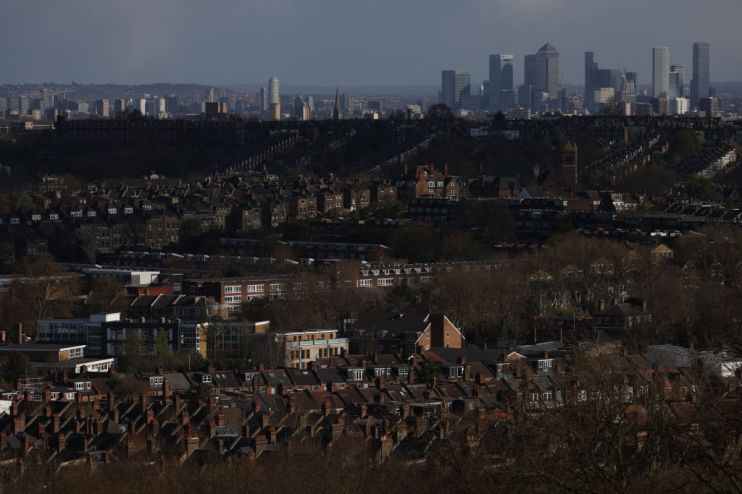
Energy And Fuel Prices Rise In The UK
Inflation rates are easing in line with falling energy pills, relieving pressure on households

The richest households in the UK are the only group to have undergone a living standards improvement over the last year, while poorer families are being whacked by sky high energy and food bills, according to research out today.

Top earners in Britain have seen their post-bill weekly income increase 2.1 per cent over the year to May, up to £754.

That compares to falls in every other income group over the same period, with the poorest families suffering a big drop in discretionary income, down more than 30 per cent to minus £76, meaning they couldn’t cover basic bills.

Middle income Brits also absorbed a 23.3 per cent hit to their weekly disposable incomes, down to £60.

The numbers, pulled together by supermarket Asda and research firm the Centre for Business and Economics Research (CEBR), illustrate the unequal experiences Brits have undergone during the more than year-long cost of living crisis.

“Continually weak spending power is the result of elevated and sticky inflation. The fact that inflation remains concentrated in essential spending categories, such as food and housing, is also a key factor,” the survey said.

Average weekly incomes in the UK rose 0.9 per cent, or £1.85, to £207. It was the first increase since October 2021.

Prices have increased 8.7 per cent over the year to May, which confounded experts, who expected inflation to drop to 8.4 per cent. Stronger than feared inflation has been mainly driven by food costs soaring nearly 19 per cent.

Core inflation – which strips out volatile food and energy prices – actually increases in May to 7.1 per cent, the highest rate in over 30 years and up from 6.8 per cent. Services inflation is also running at over seven per cent.

While wages have been accelerating at the fastest pace in years, up 7.2 per cent, they have trailed headline inflation for around a year and a half, eroding households’ spending power quickly.

Read more

Cut student loan repayments to get youths out of chicken shops 

Three young adults enjoying chicken burgers and drinks from a food truck, casually dining outdoors.

But high earners have actually pocketed among the largest pay growth. The Bank of England last week said the highest wage settlements were mainly concentrated in the financial and professional services sectors.

“The bottom four income quintiles are still witnessing annual falls in spending power. The fall has been particularly stark for those in the second quintile, with such households having seen their discretionary incomes fall from positive to negative territory over the course of the cost-of-living crisis,” the CEBR and Asda’s research found.

A reduction in global energy prices is set to ease the pain on family finance after it feeds through to bills following the implementation of Ofgem’s new, lower price cap of just over £2,000 in July. Typical energy bills have been pegged by the government at £2,500 for nearly a year.

Bank Governor Andrew Bailey and the rest of the monetary policy committee last week hiked interest rates 50 basis points to five per cent, their highest level since 2008, heaping more pressure on already strained households.

However, the increase is designed to bring down inflation, which should relieve some of the financial tension families are experiencing over the long run.

Financial markets think more rate rises are coming. Borrowing costs are tipped to peak at more than six per cent.

Those higher peak rate bets have sent mortgage rates beyond six per cent, which will wipe out a big chunk of middle and higher income groups’ – they are more likely to be on the housing ladder – finances after they remortgage.

Analysis from the Institute for Fiscal Studies has found around 1.4m households will suffer a 20 per cent drop in their disposable income after the roll on to a new mortgage with much higher rates. 

However, middle income and younger Brits are likely to be the groups who bear the brunt of that pain, the IFS said last week.

Read more

Starling plans to ‘come out swinging’ in diversification bid

Smiling woman, potentially Starling CEO, over city skyline with STARLING branding

Share this article

  • Facebook
  • X
  • LinkedIn
  • WhatsApp
  • Email

Similarly tagged content:

Sections

  • Markets & Economics
  • News

Categories

  • Morning Wire Content
  • Economics

Related Topics

  • UK inflation
  • UK interest rates

Trending Articles

  • Can debt-ridden Morrisons become a Big Four supermarket again?

  • Ratcliffe’s Ineos saves Runcorn plant

  • As it happened: Stocks rally; US to unveil ‘economic D-Day’ Iran sanctions

  • Amazon says it buys books in bulk to ‘improve products’

  • HMRC mansion tax inspectors to target homes for property valuations

More from Morning Wire

  • Cut student loan repayments to get youths out of chicken shops 

    Retail
    Three young adults enjoying chicken burgers and drinks from a food truck, casually dining outdoors.
  • Starling plans to ‘come out swinging’ in diversification bid

    Fintech
    Smiling woman, potentially Starling CEO, over city skyline with STARLING branding
  • Organigram Reports Record Third Quarter Fiscal 2026 Results

    Business Wire
  • Burnham takes on ‘rip-off’ discounts and subscriptions in cost of living push

    Politics
    Andy Burnham, Mayor of Greater Manchester, in a suit and glasses, looking serious against a bright sky.
  • IGI Reports Second Quarter and First Six Months of 2026 Unaudited Financial Results and Declares Ordinary Common Share Dividend

    Business Wire
  • UK debt ‘hits £3 trillion’ milestone

    Economics
    Houses of Parliament in Westminster showcasing historic architecture under a clear sky, central to UK government and politics
  • HSBC kicks off $1bn share buyback after profit smashes forecast

    Banking
    HSBC's stock has taken a hit due to the huge tariffs slapped on Asian countries.
  • Billions in pensions go missing: JP Morgan and Standard Life reconnect Brits with lost wealth

    Personal Finance
    Stacks of various currency bills symbolizing financial news and economic trends on a business website
MorningWire

Independent European business, markets and political news for decision-makers.

Morning Briefing

Europe

  • Germany
  • France
  • EU Institutions
  • Europe

Business

  • Markets
  • Business
  • Economy
  • Regulation
  • Competition
  • Public Affairs

Editorial

  • Opinion
  • Editorial Policy
  • Corrections
  • Contact

Company

  • About Morning Wire
  • Privacy Policy
  • Terms of Use
  • Cookie Policy
© 2026 Morning Wire Ltd · Published by Morning Wire Media, Bahnhofstrasse 65, 8001 Zürich, Switzerland
Privacy · Terms · Cookies · Facebook