
Safe as houses? The inflation-busting benefits of investing in property

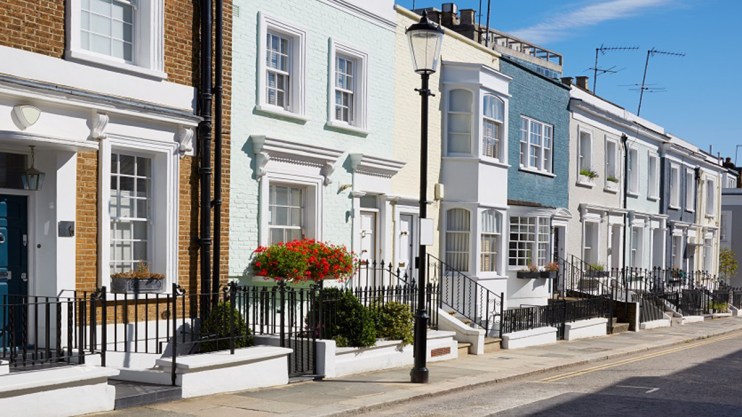
Real estate assets can generate significant returns for investors, with cash flows keeping up with (and in some cases exceeding) inflation levels.
Although residential property can be a sound investment, it is also one of life’s essentials. Everyone needs somewhere to live. It is this basic human necessity that is the reason why housing is included (along with transportation and food) as one of the three largest components of the US consumer price index (CPI).
The chart below shows how dramatically the cost of housing in the US (labelled “shelter” by the CPI) has increased since the start of 2021. Owners of residential assets can generate a real return as their cash flows keep up with, and in some cases, exceed inflation levels.

And it’s not just the residential sector that can provide protection against inflation. Many leases across all types of sub-sectors have explicit commitments to rental increases (or “escalators) tied to inflation. In some instances, there are also leases with fixed escalators or rent reviews at specific times.
These all give investors the opportunity to ensure their income generates a real return; that is, one that is above inflation.
Historical protection against inflation
The essential nature of many property assets, such as residential (everyone needs a place to live), healthcare (everyone gets sick at some point), or data centres (everyone communicates digitally) is one of the reasons why investors have historically been protected from inflation.
This is backed up by a study carried out by the Bank of America (see chart below) into the correlation of various asset classes with US CPI between 1950 and 2020. It concluded that real assets are a hedge against inflation.
Choose your property assets carefully
The Covid-19 pandemic has accelerated a number of trends, such as e-commerce and working from home. These long term, structural issues have weakened the pricing power for owners of property assets such as retail and office space. Consequently, the ability to pass on inflationary increases to tenants in these buildings is severely limited.
Low levels of demand and high amounts of supply are a toxic combination for any market. We believe that certain sub-sectors will continue to experience challenging operating environments over the medium to long term. Therefore, it has never been more important to select the right type of real estate to own.
How can investors achieve pricing power today?
Focusing on locations where economic growth is consistently the strongest means that investors can maximise their chances of being able to pass on increased costs to their tenants.
There are certain sub-sectors which are characterised by very low levels of supply. For example, obtaining planning permission to build data centres, warehouses, self storage units or student accommodation in many cities can be incredibly difficult. Yet the demand for these types of assets continues to grow.
The pricing power in certain sub-sectors is set to increase as the cost of raw materials reduces the amount of construction starts.
There are two key reasons for the lack of new property entering the market.
Firstly, the pandemic led to an initial slowing in new supply as construction sites were shut down. Secondly, dramatic increases in the cost of raw materials and supply bottlenecks have resulted in lower margins for developers. While this is frustrating for developers, the silver lining is that it increases both the value and demand for existing assets.
Many investors worry about the impact rising interest rates will have on the real estate sector. However, history demonstrates that this should not be a cause for concern. At the start of the last two rate hiking cycles the global real estate investment trust (REIT) sector has finished with positive total returns.