Scrap the TV licence, the BBC should just stick to the national news

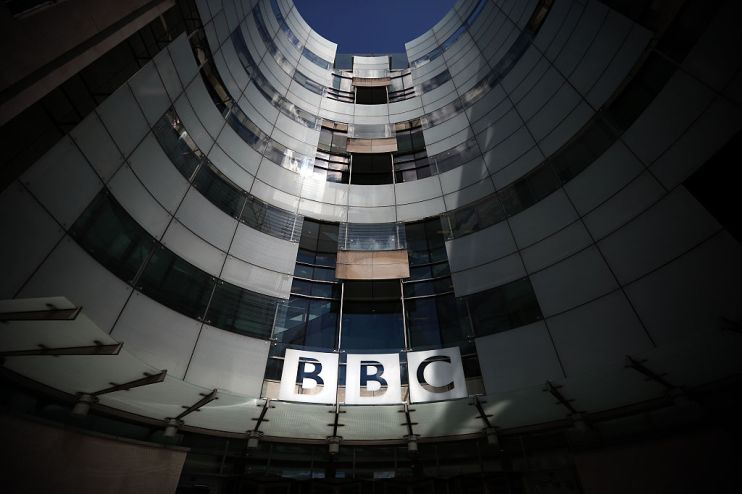
It is good that the BBC model is being disrupted by social media — allowing isolated individuals threatened by brown envelopes and sinister demands to be united in their opposition to the multi-billion pound media enterprise.
Essentially, the broadcaster needs to be radically stripped down to just one channel: BBC News and Weather. All other programming can be cut and funded by the market.
This will allow the BBC to do what it does best: montages of royal weddings and providing a coherent national narrative to current affairs, highlighted by flashing graphics and dramatic introductory music at 6pm and 10pm.
BBC regional news broadcasts should be scrapped. The collapse of local journalism as a result of the BBC’s funding monopoly has robbed many of us from keeping up to date with local, petty frustrations: potholes, neighbourhood planning issues, crime, and the latest locally-elected busybody cutting a ribbon — the sort of trivia that keeps a local community and civic democracy grounded in contextual reality.
The mainstay of the BBC’s output should be focused on radio. Yet the long-term social engineering of the BBC needs to end. Its different radio channels, in serving distinct audiences, have created and embedded imagined class and ethnic enclaves.
Instead, there should just be one radio channel, and in 24 hours it would need to provide a true celebration of multicultural Britain, with The Archers giving way to Bollywood hits, then rap, then some 60s tune, before Arctic Circle choral chants, and a 20 minute rant on some football game. News readers would just have to pick an accent and go for it. All this programming on one radio channel would help reduce the illusion that Barbican-attending patricians and kebab shop workers don’t occupy the same country.
Local BBC radio stations should be considered up for grabs too, and potentially scrapped. Instead, local Twitter handles funded by adverts from estate agents can keep people up to date with local developments, complementing those council-published newspapers keeping residents up to date with planning decisions and the busybody’s latest ribbon cutting. Hospital radio DJs could see a boom in listeners.
These cuts would focus minds at the BBC. Decision makers would have to choose what property needs to be kept, and whether a Soho location is necessary. Does Jonathan Ross need a £9m contract? Do we need to see Graham Norton interview celebrities?
One of the civilising effects of television in previous decades was that the BBC brought millions together in a shared experience: 23m people chuckling in living rooms across the country at Penelope Keith in 1979; 20m dabbing eyes as Scott and Charlene from Neighbours tied the knot in 1988; 16m of us glued to the TV as Hyacinth Bucket made our sides split during the 1995 Christmas Special.
But streaming media and modern lifestyles have blown apart the joint synchronised national television experience. Even Strictly only commands seven million viewers.
Not being able to talk about the latest exploits of Del Boy or David Brent over the water cooler at work may have caused a disintegration in shared national discourse and fuelled Brexit. But perhaps instead we talk about the boxsets that we have binged.
Monolithic TV is over. As a model, it cannot survive and shouldn’t be supported by a tax enforced with the threat of prison. The BBC should shrink down to being the state broadcaster paid by income tax, operating on a single figure percentage of its current budget.
The billions no longer collected from the TV licence would be available to increased competition in the global streaming market, with truly competitive markets in local journalism and television production.
If people want to see Emily Maitlis opine, or Paul Merton sneer, or Gary Lineker grin, they can choose to pay for it.