Screenshot: Is it time for a music streaming reshuffle?

This week
**Media Moment of the Week: Elon Musk’s personal keyboard warrior
**Music streaming royalties strike a bum note
**The BBC screw turns again
Media Moment of the Week
Elon Musk is no stranger to social media spats. His indiscretions on Twitter have moved stock markets, led to a highly-publicised defamation suit and landed him a $20m fine. So there was some surprise when Tesla listed a job advert for someone whose responsibilities included defending the brash billionaire from social media trolls.

Tesla hastily removed this sentence following the online ridicule, but the position is still up for grabs. Perhaps the social media duties will be an unofficial extra…
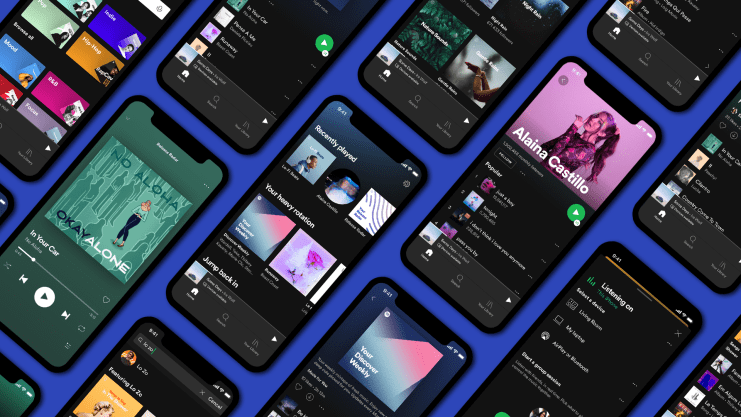
Is music streaming in need of a reshuffle?
This week’s headlines have been dominated by music streaming, as the ever-busy DCMS select committee turned its attention to the economics of platforms such as Spotify, Apple Music and Youtube. Simply put (though this is not a simple topic, by any means) concern is growing that the modern streaming landscape is leaving artists and songwriters high and dry.
According to estimates by campaign group Broken Record, artists usually earn just £0.001 per stream, meaning they have to rack up 1m streams to generate only £1,000 of income. These figures become even more minute for songwriters. Last year the committee heard damning evidence from Mercury-prize nominated Nadine Shah, who said her paltry streaming income had left her struggling to pay rent. The problem is not a new one, but it’s been made all the more apparent by a pandemic-induced collapse of revenues from live shows and licensing in venues such as bars and restaurants.
Much of the focus has been on the major record labels, who have been painted as the “gluttonous” villains of the piece. The bosses of Universal, Sony and Warner, who appeared in front of the inquiry this week, have all dismissed this characterisation, arguing that they invest heavily in their artists and warning that any overhaul of their business model could damage competition. The BPI, which represents the labels, has insisted that streaming provides a low barrier to entry and artists’ royalties are higher now than they were in the physical format age.
But as the tussle plays out between artists and labels, perhaps the parliamentary inquiry into streaming should, in fact, be taking a more critical look at the streaming services themselves.
Many music bosses are quick to defend the likes of Spotify and Apple, and there’s no doubt they played a key role in reviving the music business after a torrid decade of rampant piracy. But the revenue model for music streaming has remained pretty much fixed since its inception, with a £9.99 monthly subscription fee as standard. Compare this to Netflix, which has been gradually lifting its prices over the years. Regardless of any changes to how royalties are distributed, if the tech giants were to charge more, there’d be more to go round. Another suggestion is a more heavy-handed regulatory approach that would force tech firms to give more back to artists — similar to proposals that platforms should reimburse news publishers for their content.
More interesting, though, is the idea of revamping the subscription model. At the moment all subscription revenues are poured into the same pot and divided up according to number of streams, meaning the bulk goes to a small number of popular artists. Moreover, it means a large chunk of your subscription fee (often more than half, depending on your tastes) is given to artists you never listen to. One solution, then, would be to create a so-called user-centric payment system, which would charge subscriptions according to what each user listened to.
The economics of music streaming are highly complex and somewhat opaque — a fact that has become painfully clear over the course of this inquiry. One thing is certain, however. The pandemic has laid bare the “massive value gap” (as Alice Enders of Enders Analysis puts it) in online music and the sheer scale of musicians’ reliance on touring in the modern age. So with live performances out of the question for the foreseeable future, maybe now is the time to redress the balance.
The BBC screw turns again
It’s hard not to feel some sympathy for the media execs over in W1A, who must feel rather like they’re living through a Henry James novella. The latest ratcheting up of dramatic tensions came courtesy of the National Audit Office, which this week warned the BBC was facing “financial uncertainty” due to changing viewing habits and pressure on its licence fee income.
This is hardly a revolutionary conclusion — the BBC’s unstable financial footing has been evident for some time. Nor does the NAO’s report dwell on the fact that the broadcaster’s difficulties stem largely from the government’s decision to lump it with responsibility for the over-75s concession, which is essentially a welfare benefit (see Patrick Barwise and Peter York’s excellent book on this for more).
However, there’s no denying that the BBC needs to be brought up to date, and the report contains some home truths. It points out that the organisation has not always been fantastic at estimating its project costs, citing its disastrous revamp of the Eastenders set, which was delivered 31 months late and £25m over budget. The spending watchdog spared the Beeb’s blushes by not mentioning the Digital Media Initiative, the huge IT project it was forced to abandon in 2013 at the cost of £100m.
As the NAO points out, the BBC has already made annual savings of £618m, putting it on track for its target of £1bn by 2021-2022. But further cost cutting will be needed. The broadcaster is reportedly looking at ways to slash a fifth of its output, as well as generating more from its commercial ventures.
Here, then, is where the new leadership comes in. Director general Tim Davie formerly led the broadcaster’s commercial arm, while new chair Richard Sharp has impeccable City credentials. The fact that neither of the two most senior executives come from an editorial background has raised some eyebrows, yet this commercial edge is exactly what is needed. The BBC’s dominant position and public funding has turned it into a cumbersome and complacent machine. Now, with fierce competition from new rivals and a threat to funding, a healthy dose of private sector impetus could be just the ticket.
The algorithm recommends
- Sky has set a target of ensuring a fifth of its 25,000-strong workforce come from a minority ethnic background by 2025. We see a lot of half-hearted ESG pledges but this aim, which is part of a £10m-per-year diversity push, seems like a pretty strong commitment.
- Jack Ma is back following his mysterious three-month disappearance. There was a collective sigh of relief, but it hasn’t stopped Beijing’s crackdown on his empire.
- Netflix delivered a stellar set of fourth-quarter results, beating expectations to add 8.5m subscribers. In a clear change of direction, the streamer said it would no longer rely on debt to fund its hefty production costs and would look instead at share buybacks.
Got a story? Drop me a line at [email protected] or on Twitter