Skip to content
Monday 10 August 2026London --:--Frankfurt --:--Zurich --:--
NewslettersSearchEN · DE
MorningWire

European business, markets and politics

FTSE 100
10,866.95
-0.31%
DAX
26,359.63
+0.15%
CAC 40
8,724.43
+0.11%
STOXX 50
6,540.34
+0.25%
  • Europe
  • Markets
  • Business
  • Economy
  • Technology
  • Politics
  • Opinion
More
GermanyFranceBankingAIEnergyFintechPropertyCapital Markets
  • Germany
  • France
  • Europe
  • Markets
  • Business
  • Economy
  • Technology
  • Politics
  • Opinion
  • DE
Monday 16 March 2026 12:01 am  |  Updated:  Friday 13 March 2026 3:52 pm

Second home stamp duty means 2m houses ‘missing’ from rental market

By: Felix Armstrong

Retail Reporter

Add as a preferred source on Google
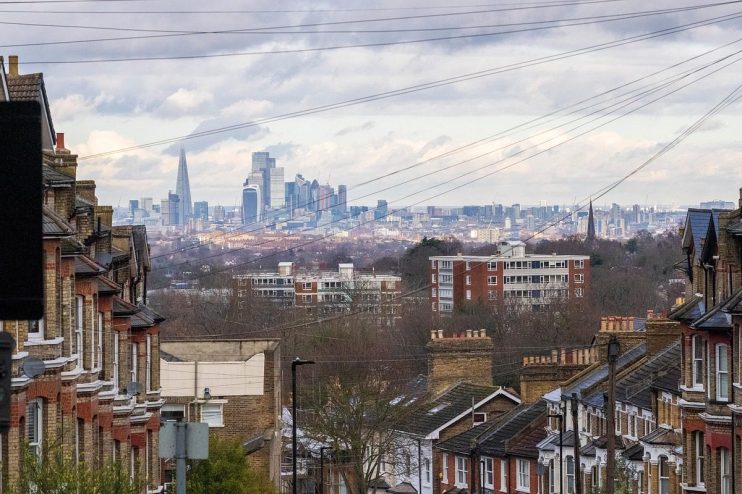
City skyline captured by Nick the photographer, showcasing modern architecture and tall buildings against a clear sky.
The second home surcharge on stamp duty has been in place for nearly a decade

More than 2m rental homes are missing from the market because of the second home tax imposed a decade ago, new research has found. 

Nearly ten per cent fewer homes are available to rent than was projected in 2016, when the stamp duty surcharge on second homes pushed millions of houses out of the reach of renters “almost overnight,” estate agency Hamptons said. 

Rents have soared since 2016 – with price growth reaching a high point of nine per cent in November 2024, compared to 3.4 per cent in the same month eight years before – and analysts at Hamptons said the second home tax added one per cent to annual price inflation. 

In April 2016, a three per cent surcharge was applied to the stamp duty paid by people buying additional homes in England – and this rate was hiked to five per cent at 2024’s Autumn Budget.

The equivalent rate is charged at five per cent in Wales and eight per cent in Scotland.

The tax on second homes has had a “profound” effect on the number of homes available for private rent, Hamptons said, with 2.2m fewer homes available now than if the sector had continued to expand at the pre-2016 rate. 

Fewer homes means higher rents

Hamptons said the tax was intended to stop investors from buying so many homes but this has ended up shrinking the rental market.

The number of households in Great Britain renting privately has grown from 9.9 per cent in 2003 to 18 per cent in 2025, but would have soared to 25.6 per cent had the surcharge not been introduced, the estate agency’s research shows. 

Similarly, the share of English homes bought by a landlord has declined from 14.7 per cent in 2012 to 10.5 per cent this year.

Read more

Industry hits out at rumours as No 10 denies plan to abolish stamp duty and council tax

Two women view property listings in an estate agents window, one takes a photo with her phone. Real estate, stamp duty.

London is the English region most affected by the surcharge, with the proportion of homes in the capital bought by an investor falling by 7.9 per cent between the year preceding the tax’s introduction and 2026.

But the surcharge has offered a boost for first-time buyers, who are now 17 per cent less likely to be competing with an investor when bidding for a house in London. 

Around three quarters of the 2.2m homes missing from the rental market are now lived in by owner-occupiers, Hamptons said.

The remaining 800,000 homes that would be on the rental market if not for the surcharge, according to Hamptons, have not been built – as construction faces high tax burdens and low developer confidence. 

The comparative scarcity of rental homes means those who can’t afford to buy are left exposed to higher rents, which have also been pushed up by the growing taxes and regulatory pressures on landlords, according Aneisha Beveridge, head of research at Hamptons.

She said: “Almost overnight, the market tilted away from investors, meaning far fewer homes have been added to the rented sector and more have found their way into owner-occupation over the last decade. 

“Prior to 2016, housebuilders often had waiting lists of investors, sometimes years before they even put a spade in the ground.  

“Their partial withdrawal has reduced viability and slowed the pace of housebuilding, particularly in the new-build apartment sector, where sales are now taking longer and often completing at lower prices.”

Read more

We should all get behind this wealth tax

LONDON, ENGLAND - JUNE 01: A general view of a house along Kensington Palace Gardens, which has been named as Britain's most expensive street on June 1, 2011 in London, England. Many of the mansions are occupied by billionaire businessmen, embassies and ambassadorial residences. (Photo by Oli Scarff/Getty Images)

Share this article

  • Facebook
  • X
  • LinkedIn
  • WhatsApp
  • Email

Similarly tagged content:

Sections

  • News

Categories

  • Business
  • Property

People & Organisations

  • hamptons
  • renting
  • second homes
  • stamp duty
  • stamp duty land tax

Trending Articles

  • Back to basics: Sainsbury’s gradual retreat from the British high street

  • Thames Water faces fresh threat to survival after pensions regulation breach

  • Hargreaves Lansdown orders staff back to office

  • As it happened: Intel, Arm shares slide; Oil climbs higher

  • PwC’s Embankment HQ to get major makeover ahead of Canary Wharf move

More from Morning Wire

  • Industry hits out at rumours as No 10 denies plan to abolish stamp duty and council tax

    Politics
    Two women view property listings in an estate agents window, one takes a photo with her phone. Real estate, stamp duty.
  • We should all get behind this wealth tax

    Opinion
    LONDON, ENGLAND - JUNE 01: A general view of a house along Kensington Palace Gardens, which has been named as Britain's most expensive street on June 1, 2011 in London, England. Many of the mansions are occupied by billionaire businessmen, embassies and ambassadorial residences. (Photo by Oli Scarff/Getty Images)
  • Barratt Redrow urges Burnham to slash tax to boost housebuilders

    Property
    Barratt and Redrow partnership announcement showcasing executives shaking hands in a modern office setting
  • House prices slump as Iran war and interest rates hit demand

    Property
    The price paid for first homes has surged 7.1 per cent in a year
  • Burnham can prove he’s pro-business by scrapping stamp duty on shares

    Opinion
    Andy Burnham, Mayor of Greater Manchester, in a professional setting.
  • Stop recycling Angela Rayner and reform planning instead

    Opinion
    Angela Rayner finds herself in hot water over her tax affairs
  • Would a Burnham premiership deepen the North-South housing divide?

    Property
    Andy Burnham returns to Parliament
  • Foxtons hits out at Renters’ Rights Act as profit halves

    Property
    Foxtons is London's largest lettings agency brand
MorningWire

Independent European business, markets and political news for decision-makers.

Morning Briefing

Europe

  • Germany
  • France
  • Europe
  • UK & Ireland

Business

  • Markets
  • Banking
  • Technology
  • Energy
  • Property
  • Fintech

Editorial

  • Opinion
  • Editorial Policy
  • Corrections
  • Contact

Company

  • About Morning Wire
  • Privacy Policy
  • Terms of Use
  • Cookie Policy
© 2026 Morning Wire Ltd · Published by Morning Wire Media, Bahnhofstrasse 65, 8001 Zürich, Switzerland
Privacy · Terms · Cookies · Facebook