Skip to content
Sunday 6 September 2026London --:--Frankfurt --:--Zurich --:--
NewslettersSearchEN · DE · FR
MorningWire

European business, markets and politics

FTSE 100
10,831.09
0.00%
DAX
26,046.40
+0.17%
CAC 40
8,278.77
-0.09%
STOXX 50
6,392.93
+0.16%
  • Europe
  • Markets
  • Business
  • Economy
  • Regulation
  • Politics
  • Opinion
More
GermanyFranceEU InstitutionsCompetitionPublic AffairsBankingTechnologyEnergy
  • Germany
  • France
  • Europe
  • Markets
  • Business
  • Economy
  • Regulation
  • Politics
  • Opinion
  • DE
Wednesday 16 July 2014 3:59 pm  |  Updated:  Friday 07 June 2019 1:15 am

The shareholder spring is back – but there may be worse to come for CEOs

By: Josh Black

Add as a preferred source on Google

This is a rotten year to be a chief executive. The impact of new regulations introduced by the Department for Business has been to rekindle 2012’s “shareholder spring”, with a host of firms feeling the heat as up to 40 per cent of their shareholders opposed policies that could bind pay awards for three years. Proxy Insight has already reported that the level of opposition in “Say on Pay” votes at the 20 largest global banks is at 2012 levels. And last week, Burberry became the first FTSE 100 company in two years to see its remuneration package voted down.

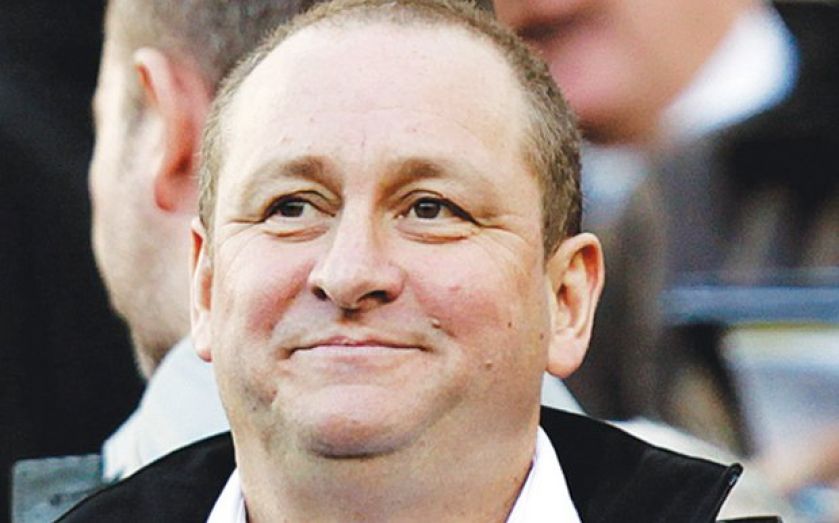
Even the example of firms that successfully passed resolutions on pay will have brought little comfort to FirstGroup and Experian, which held stormy annual meetings yesterday. On the morning their executives faced shareholders, Mike Ashley refused his allocation of shares in Sports Direct – approved at the fourth attempt on 2 July – “following recent unhelpful speculation”, as the company put it.

And executives will no doubt feel shareholders are doing them a disservice. According to a pay survey by proxy adviser Manifest and consultants MM&K, total remuneration awarded in 2013-14 was down 7 per cent from the previous year – more than the 5 per cent decline observed the year after the shareholder spring.

Even so, there is widespread confusion about executive pay, and the government’s insistence on a single total figure of remuneration has done nothing to assuage this. According to data reported using this Single Figure, pay has increased 3 per cent on last year, while many newspapers reported a 15 per cent rise. But this is likely to be a bad indication of remuneration committees’ intentions, dependent as it is on stock market performance.

Most smart investors realise their voting behaviour is weighing down on executive pay. In fact, they are setting ever tougher standards. Fidelity, for example, is using its voting power to press for five-year Long-Term Incentive Plans (LTIPs), in place of three years.

All of this is a nightmare for chief executives and boards, who fear losing talent to US companies as Burberry did with Angela Ahrendts. Yet investors failed to see the benefit of a pay rise for her successor Christopher Bailey. The problem is that issuers and shareholders aren’t speaking the same language.

According to MM&K’s Cliff Weight, “too many shareholders think companies are not telling them the whole truth.” Firms have adopted a box-ticking approach to meeting the demands of industry groups such as the ABI and ISS. Instead, they should “embrace the spirit of the new legislation”, by making performance targets more transparent and long term, Weight argues. Ten years, rather than three, would be a good basis for LTIPs.

The risks of not making an effort to win over institutional investors should be clear. Besides further political interventions and shareholder rebellions, firms risk attracting more aggressive activists. Last month, Sandell Asset Management said it would vote against FirstGroup’s remuneration report, noting a doubling of chief executive Tim O’Toole’s pay. Never mind that most of the rise was due to a retention share award and deferred bonus falling due; it could be a while before it is safe to cash in the chips.

Josh Black is a financial journalist at Activist Insight and edits the magazine Activism Monthly Premium.

Share this article

  • Facebook
  • X
  • LinkedIn
  • WhatsApp
  • Email

Similarly tagged content:

Sections

  • Opinion

Categories

  • Opinion

Trending Articles

  • Victoria Beckham owed £350,000 by Harvey Nichols

  • Iceland boss Richard Walker vows to set up shop on Falkland Islands

  • Don’t underestimate the free trade agreement Britain just joined

  • £74m for branded condoms? UK must stop spaffing cash on foreign aid

  • Britain ‘taxing itself to death,’ Burnham warned

More from Morning Wire

  • Shareholder backlash pushes up low-ball London takeover bids

    Markets
    Over 100 major London-listed companies, including Fevertree Drinks and YouGov, have written to the Chancellor warning that the uncertainty surrounding the future of a key tax relief tied to London’s junior stock market is battering investor confidence. 
  • Surge in third-party funding sparks wave in FTSE shareholder lawsuits

    Lawsuit
    UK retail investors are eyeing emerging markets for potential higher returns amid tariff turmoil
  • Exclusive: Easyjet shareholder rights to be watered down under Apollo deal

    Aviation
    EasyJet airplane at airport terminal with passengers boarding, representing airline industry and travel news updates
  • The Works secures heavyweight backing in activist investor row

    Retail
    The Works store at Westfield Shepherds Bush with increased foot traffic after activist investor boosts stake in retailer
  • Shipbroker shares fly on Iran war windfall

    Transport & Infrastructure
    Aerial view of a large container ship moving through deep blue ocean waters, leaving a white wake.
  • Labour calls for Mayor to explore London Stadium sale to West Ham

    Sport Business
    Wide view of an empty London Stadium, home of West Ham United, with a bright blue sky visible through its open roof.
  • Activist investor accuses The Works chair of working from home – in New Zealand

    Retail
    The Works store at Westfield Shepherds Bush with increased foot traffic after activist investor boosts stake in retailer
  • Diageo boss ‘drastic’ Dave Lewis eyes £20m pay deal as 2,000 jobs slashed

    Hospitality
    Dave Lewis, former Tesco CEO, smiling in a supermarket aisle with products on shelves
MorningWire

Independent European business, markets and political news for decision-makers.

Morning Briefing

Europe

  • Germany
  • France
  • EU Institutions
  • Europe

Business

  • Markets
  • Business
  • Economy
  • Regulation
  • Competition
  • Public Affairs

Editorial

  • Opinion
  • Editorial Policy
  • Corrections
  • Contact

Company

  • About Morning Wire
  • Privacy Policy
  • Terms of Use
  • Cookie Policy
© 2026 Morning Wire Ltd · Published by Morning Wire Media, Bahnhofstrasse 65, 8001 Zürich, Switzerland
Privacy · Terms · Cookies · Facebook