Skating on thin ice: Covid-19 reveals the financial fragility of the self-employed

Despite the sheer unpredictability and overwhelming nature of the coronavirus outbreak, there have been some positive outcomes since the UK went into lockdown, from the value and resilience of the National Health Service to the revelation that many businesses are able to continue as normal with employees working from home.
But the pandemic has undoubtedly presented extraordinary challenges with some fundamental lessons to be learnt. Indeed, one of the biggest realisations to come from this crisis is the financial fragility of individuals across the UK. With 1.9m homeowners taking advantage of mortgage payment deferrals and the Financial Conduct Authority extending loan freezes such as car leases and credit cards, it’s evident that the pandemic has caused many to suffer financially.
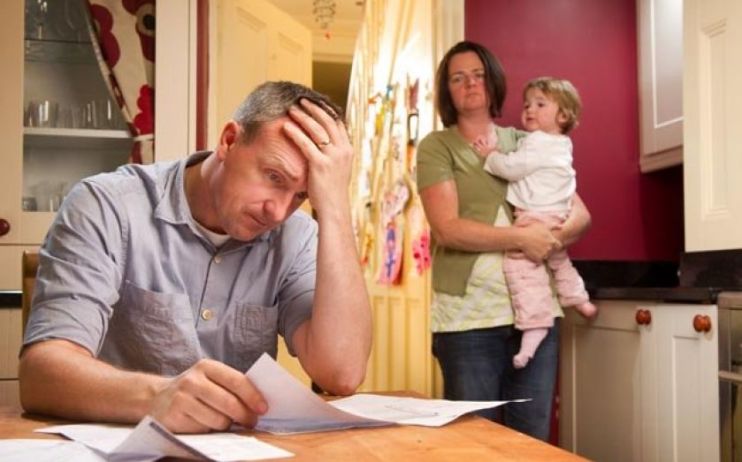
However, one of the hardest hit demographics has been self-employed workers, with many of these individuals experiencing an income shortfall almost overnight as the UK went into lockdown.
Financial fragility
Over half of the five million self-employed workers in the UK claimed for a grant through the first tranche of the government’s Self-Employment Income Support Scheme, with 2.7m claims granted worth a total of £7.8bn. The second tranche of this scheme opened in August; by 20 September, a further 2.2m claims were granted worth a total of £5.6bn. The number of claims has climbed as the economic impact of the pandemic truly hit.
Although these stats paint a worrying picture of the financial vulnerability among self-employed workers, they are also unsurprising. Our recent research shows that nearly a fifth (17 per cent) of self-employed workers in the UK have no personal savings to fall back on in times of financial crisis, and a further 14 per cent have less than £2,000 in savings.
Meanwhile, 43 per cent of self-employed workers also said they save less £50 per month, but 52 per cent would rely on their personal savings if they suffered a loss of income. Clearly, this raises concerns that few have considered how long their savings would last in the face of an income shock.
A wake-up call
While greater flexibility over workloads and schedules has made self-employment an attractive option for many people, these individuals also have an increased risk of financial exposure. Unlike those working for an employer, absence from work results in a complete loss of salary.
Given these vulnerabilities, it’s worrying so few have given themselves a financial safety net or seriously thought about how they would cope in a crisis. As financial aid tapers off, it’s crucial for the self-employed to think about more sustainable, longer-term solutions. The crisis must be a wake-up call for every self-employed, gig economy and freelance worker to prioritise their own financial security.
Less than one in 10 (nine per cent) self-employed workers in our research said they had income protection, a policy that pays a monthly benefit in the event of an illness or injury resulting in time off work. But as the pandemic has shown us, we are all susceptible to an unexpected change in circumstances.
The self-employed, along with every other worker in the UK, should view the Covid-19 crisis as an opportunity to get their finances in order and protect their income stream as they would their house, mobile phone or pet. There is no better time than the present.
Main image credit: Getty