Spring Statement provides some relief, but probably not for long

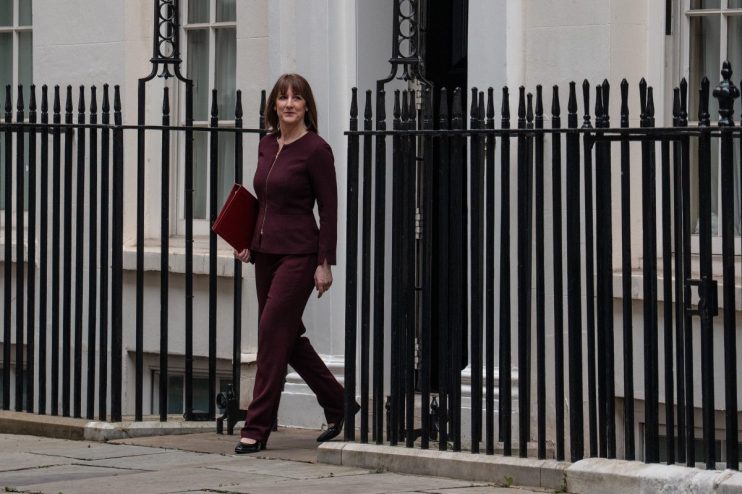
The Spring Statement offered some reasonably good news on growth, but the margin for error is incredibly slim and the chances of further painful tax rises in autumn are high, says Julian Jessop
Not quite a non-event, but it could have been a lot worse. Rachel Reeves’ Spring Statement is unlikely to do any significant harm to business or consumer confidence, and it was largely shrugged off by the financial markets. These days that is something, at least, to cheer.
In particular, the Chancellor wisely resisted the siren calls to relax her fiscal rules to finance more spending on defence or welfare, which would have added to the upward pressures on the cost of borrowing – as we have already seen in Germany. She also ignored the cries for additional taxes on wealth, which would almost certainly backfire.
Instead, she actually kept a promise, reiterating her pledge to change taxes only in an Autumn Budget – though that may only be a temporary reprieve.
There was even some good news in the OBR’s new economic forecasts. The GDP growth projection for 2025 was halved from two per cent to one per cent, as expected, which brought it back in line with the consensus. But the numbers for later years were nudged up slightly, partly reflecting the boost from planning reforms.
Overall, however, the OBR’s forecasts are hardly a ringing endorsement of the government’s long-term strategy. Inflation and interest rates are both expected to be higher for longer, and the growth downgrade for this year reflects the fallout from the new government’s policies on tax, the labour market and energy prices, at least as much as the additional ‘global headwinds’.
The main policy announcement was a £14bn package of savings on the current budget, mainly in the form of cuts in the welfare bill and departmental running costs. This has fuelled accusations of a ‘return to austerity’ (would that be such a ‘bad thing’?), but the reality is rather different.
Public spending is still high
For a start, £14bn is just a drop in the ocean: public sector current spending is still forecast to climb to £1,351bn in 2029-30, £219bn more than in 2024-25.
Moreover, most of the announced savings will come from efficiency gains in public services where productivity has lagged well behind, and from cutting some benefits paid to people who may not actually need them. Again, this is hardly ‘austerity’.
Nonetheless, the late scramble to find additional savings on the welfare bill – simply to restore exactly £9.9bn of fiscal headroom – does raise the risk that some vulnerable people will lose out. Making such big decisions on the basis of spuriously precise forecasts is not a sensible approach.
The Spring Statement illustrates both the strengths and weaknesses of the UK’s current fiscal framework and the role of the OBR
Indeed, the Spring Statement illustrates both the strengths and weaknesses of the UK’s current fiscal framework and the role of the OBR. On the plus side, the independent watchdog is reported to have rejected dubious costings produced by the government as recently as last week. However, this has prompted a last-minute rush to hit fiscal targets based on five-year forecasts which will almost inevitably be proved wrong.
The margin for error is also still incredibly limited. As the OBR itself has pointed out, the fiscal headroom is the third lowest any Chancellor has had against their rules, and could easily be wiped out by new shocks, including higher interest rates and a global trade war.
There is no guarantee either that public sector productivity can catch up without fundamental reforms that will be resisted at every stage, and there will be more pressure to come from the defence budget.
There is therefore a high chance that the Chancellor will have to come back again with additional tax increases and more painful spending cuts as soon as the Autumn. For now, though, we can probably let out a sigh of relief.
Julian Jessop is an independent economist