Stop the pile on pylons, they’re works of art

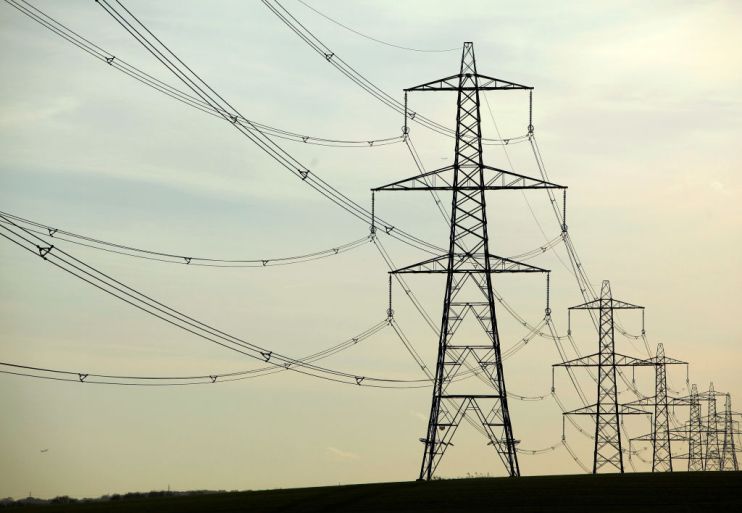
Aesthetes, I have bad news for you. Britons’ electric pylons are under attack by those who would cast these skeletal beauties into the ground or push them into the sea.
“Pull the plug on these awful pylons,” Priti Patel MP whined in parliament this week. “Build an offshore grid.”
The former home secretary and 13 other members of parliament – including, ironically, the former environment secretary Therese Coffey – belong to a funny little group called the Offshore Electricity Grid Task Force. This gang of East Anglian MPs have launched a tirade against the pylon and are advocating offshore routes as an alternative. Specifically, they want pylons built in the sea. Some have managed to get pylons knocked down and buried underground – such as was the sad and expensive fate of 22 pylons last year in Dorset.
How about no? Pylons get a terrible reputation from campaigners who profess to love the countryside – but these metal structures are in fact a bastion of renewable energy and they are, frankly, stunning.
A brief history of the pylon
The very name was chosen by National Grid architects as an allusion to their light-ferrying grandeur. In ancient Egypt a pylon was a gateway with two towers either side of it. Weirdly specific, the pylon represented two hills between which the sun would rise and set, and was where rituals to the sun god would be carried out. The national grid’s mission to power the nation was, it thought, equally noble.
The first pylon in the UK was built in 1928 near Edinburgh – in the first piece of the ‘national gridiron’. This was the beginning of the grid towers that would traverse the country, connecting 122 power stations to consumers using 4,000 miles of cables. They have since become conductors of safe electricity – lighting up our homes, powering our electric kettles, charging up our iPhone X Pros. Today there are more than 90,000 transmission and distribution electricity pylons across Britain, and Priti Patel is waging war on all of them (OK, more like some of them).
‘Nude, giant girls’
The pylon-enamoured have always existed. In the 1930s a group of artistes emerged known as the pylon poets. They wrote things like “Pylons, those pillars/Bare like nude, giant girls that/have no secret.” Quickly, more and more people began to be affected by the skeletal sculptures – even if they didn’t see them as nude, giant girls.
There is a veritable Pylon Appreciation Society formed to help megafans, whatever their age, with pressing questions such as “Will the Society’s badge be sufficient to show to the police, if stopped by them for taking photos of pylons? I am worried that people might think I am a terrorist.” – a question submitted by Anthony Dunford to the group’s messageboard.
Pylonofthemonth.org is another excellent site dedicated to posting photos of pylons with detailed descriptions once a month. This site is partial to the international pylon, which throws up some fascinating details of design differences – despite Britain’s model having remained relatively stable since 1928.
Even if pylons weren’t so gorgeous, it’s implausible not to have power cables on land.
Even if pylons weren’t so gorgeous, it’s implausible not to have power cables on land. There are serious disadvantages to burying pylons or building them offshore. “You are effectively sterilising land use in the area,” is how Richard Smith of the National Grid described sinking, or burying power lines. Currently a tiny proportion of Britain’s network is underground – and mostly only in cities. It is up to 17 times more expensive than building al fresco cables, the lines then need replacing more often and a wide berth (up to 40m wide) must be cleared with no building on top of it.
Pushing pylons offshore is nonsensical according to Simon Cran-McGreehin, head of analysis at the Energy and Climate Intelligence Unit. “At some point those lines have to come onshore to reach customers, otherwise it’s like a ring-road without any routes into town,” he explained.
Those protest that pylons disrupt the British countryside, are stuck in an outdated and old fashioned mindset. It is time to stop bowing to the stilted binary between what is natural and manmade. The industrial revolution was 300 years ago. Nature and industry are now interwoven; urban and rural too. The pylon symbolises this: their delicate spikes intersect the sky or rural landscape in a way that only enhances the beauty of steel and lawn.
So let’s hear it for the electricity pylon: a beacon of light, a symbol of modernisation. Conducting electricity safely to our homes; facilitating the green revolution. Skeletal and delicate as they transpose the sky and the countryside with cold hard industrialisation. Pylons, Morning Wire salutes you.