Strikes on Syria may force the US and its allies into a war they will struggle to control

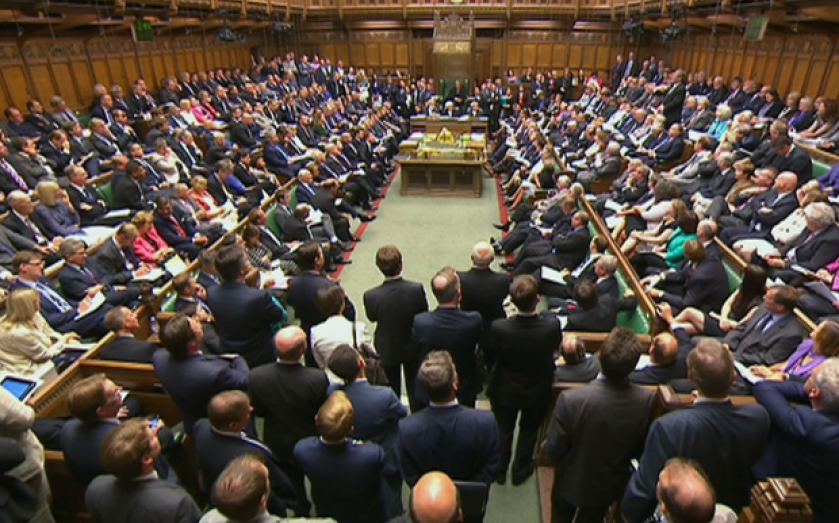
DURING more than two years of conflict in Syria, Western countries have studiously avoided any direct participation in the fighting. Now, despite UK MPs’ vote against intervention last night, many nations (notably the US) remain on the verge of launching strikes against Syrian military targets following its regime’s apparent use of chemical weapons.
But while the use of chemical weapons is undeniably illegal and abhorrent, the West should not resort to a military response without thinking carefully about what strikes would achieve, and how they would affect the Syrian conflict more widely.
It is unusual for national leaders who are about to launch military action to emphasise how little that action is designed to achieve. But the line from President Obama and his fellow leaders has been clear. Strikes would not be intended to alter the dynamics of the Syrian civil war, or to indicate a Western commitment to preventing President Assad from using brutal force against his opponents. Such goals have been repeatedly considered and rejected as the basis for armed intervention. Instead these strikes would be purely about chemical weapons – to deter the Syrian regime from using them again and to reinforce a global standard that prohibits them.
Viewed in such narrow terms, it is possible that a short-term attack might achieve its goal. But such a conclusion remains speculative and subject to numerous uncertainties. Assad may retaliate, drawing the West into the kind of messy involvement in the conflict that it has sought at all costs to avoid. An attack might end up killing civilians, or hand Assad the propaganda benefit of having defied the bullying Western powers. Having drawn a red line over chemical weapons, Obama stands to lose credibility if he does nothing. But this should be balanced against the impact of missile strikes and the possibility of other ways to deter or punish those responsible for gas attacks, including through the United Nations.
Moreover, the legality of any strikes remains highly questionable. They would rely on the controversial notion of humanitarian intervention – that a coalition of countries can use force, without the backing of the UN Security Council, as an exceptional measure to prevent mass atrocities. The UK has made this argument before – notably during the Kosovo intervention of 1999 – but the majority of states reject it. In any case, such a claim would require that all other avenues had been exhausted, and a high degree of certainty about responsibility for the atrocities and the effectiveness of measures against them. These considerations argue strongly against any rush to launch strikes.
Beyond this, it would be short-sighted to undertake an armed response without considering its impact on the intractable Syrian crisis more widely. Given that 100,000 people have been killed in Syria, many in the most brutal ways, does it represent a coherent policy to launch punitive or deterrent strikes aimed solely at the use of chemical weapons? Assuming that no good plan exists for using military intervention to reduce civilian suffering more generally, we must suppose that these strikes would have to fit within a broader strategy that seeks a political and diplomatic solution to the conflict.
Limited strikes could create an unstable situation, where the Western powers aligned against the regime had crossed the threshold into military action, while remaining reluctant to be drawn further into the fighting. Rebel groups would be likely to step up efforts to secure more extensive Western involvement, while Assad’s foreign backers might feel emboldened to step up support (especially if Western strikes are launched on a shaky evidentiary basis).
It may be difficult for the West to avoid further strikes if large numbers of people are killed in future incidents, even through conventional weapons – yet there is no sign of a considered policy about whether this would be an effective or desirable step.
Ultimately, any solution to the Syrian conflict will have to be a political and diplomatic one, based on an attempt to view the war in Syria within a broader regional context. The greatest threat to the region is a cycle of sectarian escalation, with Syria at its core, that is fuelling radicalisation and threatening the stability of neighbouring states.
Regional de-escalation will only come through imaginative and committed diplomacy involving countries that back Assad, including Iran and Russia, however difficult that will be. Such a diplomatic push will be essential, whether missile strikes are launched now or not – and the impact on any diplomatic initiative should be considered carefully before military action takes place.
Anthony Dworkin is senior policy fellow at the European Council on Foreign Relations.