Stubborn inflation in UK might finally be set to give way

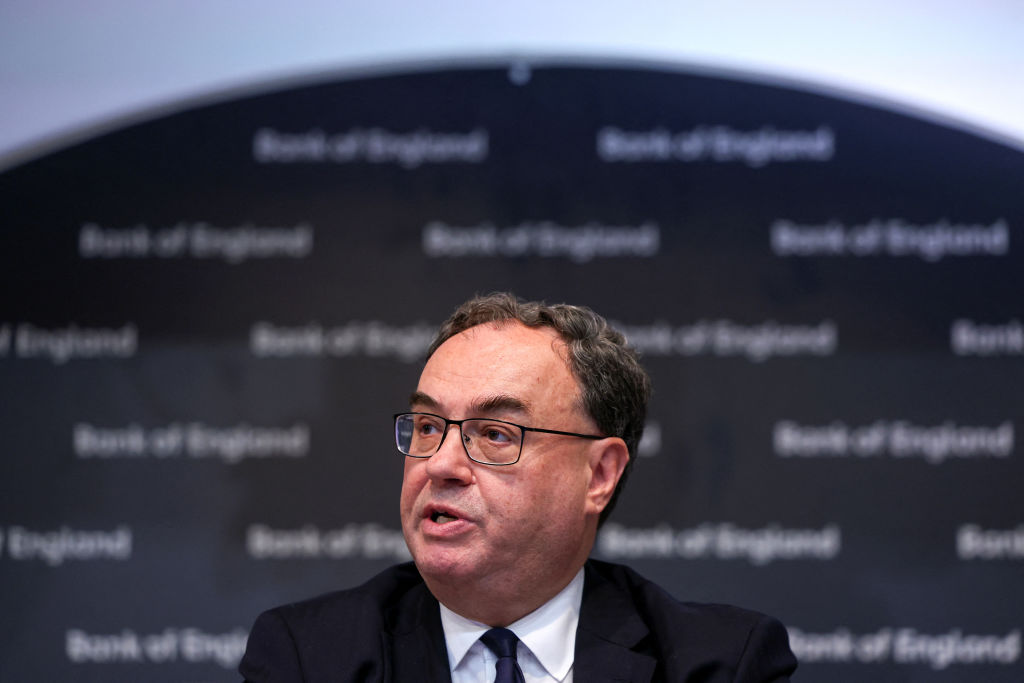
Inflation in Britain has stayed higher than other similar economies after global shocks were compounded by post-Brexit workforce woes, writes Oliver Jones.
In the UK, inflation has remained stubbornly high, even as global forces push it in the opposite direction. The good news is, even in the midst of some problems specific to Britain, this should start to fall in the latter half of the year.
Around the world, inflation was initially driven higher by the twin shocks to manufactured goods markets (mainly caused by pandemic-induced demand and disruption to supply chains) and to food and energy commodity markets (primarily due to the invasion of Ukraine). Without the impact of food and energy prices, headline inflation in the UK may never have risen much over 5 per cent, compared to its actual peak above 11 per cent. But they are now going into reverse, and the impact should feed into UK consumer prices later this year.
In global goods markets, delays at key shipping hubs have now cleared, and firms’ inventory levels are back to normal after more than two years of severe shortages. Global manufacturers have collectively reported outright falls in their selling prices since May. Previous weakness in sterling (which makes imported goods more expensive) may have meant these improvements have taken longer to show up in the UK than elsewhere. But that shouldn’t last, given the extent of the recent rebound in the currency.
Meanwhile, the initial impact of the war in Ukraine on agricultural commodity markets has unwound. The prices of key food commodities, like wheat, are even lower now than on the eve of the invasion, and growth in UK food producers’ input costs has slowed significantly in the last few months. That should finally show up on the supermarket shelves in the second half of 2023, as the two largest chains have both indicated.
It’s a similar story when it comes to energy prices. Russia has found ways to keep exporting oil, while Europe has coped far better than feared without Russian gas, so the wholesale prices of both are now lower now than just before the invasion. The regulatory structure of our energy markets means that it takes time for lower gas prices to feed through to consumers. But the average UK household will see its energy bills fall by nearly 20 per cent this month as the regulator’s new price cap comes into force.
Of course, the Bank of England is most concerned about domestic price pressures, specifically the tightness of the jobs market and associated strength of services inflation. While a red-hot jobs market has not been a uniquely British phenomenon, it’s fair to say that a couple of UK-specific factors have contributed here. Post-Brexit changes in migration law enacted have reduced the availability of workers in sectors like hospitality and agriculture. And the continued rise in NHS waiting lists appears to be linked to the growing number of would-be workers out of the labour force due to illness.
However, even with these structural problems, peak jobs market tightness appears to have passed as policy has swung from supportive to restrictive. The unemployment rate has crept up since last summer, while the number of unfilled job vacancies has fallen by about a quarter of a million. Surveys suggest that firms have pared back future hiring plans. The latest official wage growth numbers were very strong, but were influenced by April’s 9.7 per cent jump in the National Living Wage which won’t be repeated. A more up-to-date private sector measure of pay growth for new hires shows it falling. Our overall assessment is that the jobs market, while still very hot, has crucially begun to cool. It’s reasonable to expect that to continue, and wage increases to slow, as the effects of higher interest rates continue to bite.
With all of this in mind, inflation could be in the low single digits before the end of this year, as it is already in the US and parts of the Eurozone. While the Bank of England isn’t done yet, it may not need to deliver tightening as aggressive as currently discounted in markets.