Subsidised jobs won’t fix youth unemployment

The young do not need moral lectures. They need chances. And chances come from businesses that are free to hire, free to experiment and free to take risks, not from the state, says Matthew Bowles
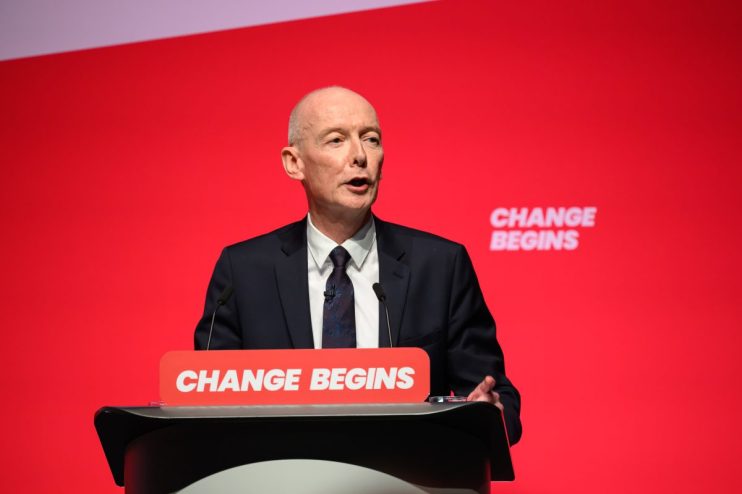
Last weekend, the Secretary of State for Work and Pensions, Pat McFadden, announced on the BBC’s Sunday with Laura Kuenssberg that 18–21-year-olds who have been unemployed for 18 months or more will be guaranteed a six-month taxpayer-funded placement, covering sectors including construction, hospitality and care. If they refuse a placement, without “good reason”, it could result in the loss of benefits. Beneath the tough rhetoric, however, lies a contradiction: despite claiming they want to ease young people into sustainable careers, the government is pursuing policies either proven to fail or which directly hinder youth employment.
At first glance, the scheme echoes earlier attempts by previous governments to “plug the youth unemployment gap”. Past programmes included the much-derided Individual Learning Accounts (ILAs) and other variations of short-term subsidised placements. Those policies were, rightly or wrongly, sold as stop-gaps for those without skills or work experience.
In principle, helping the unskilled gain exposure, confidence and training is a worthy cause. But as history shows, such schemes, while useful for grand statements, are often blunders.
The scheme’s inadequacy is especially striking when considering the current labour market. The very flexible, sometimes precarious, zero-hour contracts that are often derided in political speeches, are precisely the mechanism many young people rely on to survive or to gain their first taste of working life. According to recent figures from the Work Foundation, there are currently about 1.2m people on zero-hour contracts – the second highest level on record. Among them, some 508,000 are aged 16-24 – the highest number ever recorded in this age group.
Put differently, half a million young people are already working, albeit without formally guaranteed hours. In 2023 alone, 136,000 more zero-hour contracts were handed out, more than 60 per cent of that growth going to the 16–24-year-old age group. In raw terms, that is a sizeable chunk of young people that are making their way into the workforce, even under supposedly “precarious” conditions.
From zero hours to no contracts
And yet while the government publicly castigates youth under-employment and idleness, its own forthcoming legislation, the Employment Rights Bill, seeks to radically curtail the very contracts on which these young workers often rely. The Bill proposes to grant workers on zero-hour contracts a “right to guaranteed hours”.
Admirable in principle, but in practice, many employers, especially small businesses, will respond not by offering secure hours, but offering no hours at all to many on such contracts. Likewise, those young people who prefer the flexibility of zero-hours will be put off applying.
The government’s overriding stance, therefore, manages the feat of being self-defeating from both ends. It blames young people for not working, while simultaneously restricting an attractive and accessible type of work.
The government’s current plan is to subsidise these placements from an £820m pot, rolling out only 55,000 initially, but promising 350,000 opportunities over the next several years. Many of those forced towards such placements would arguably prefer stable, paid hours to being pawns in a short-term “youth guarantee”.
The outcome is inevitable. If labour-market entry points dwindle, and if employers have more obstacles to offering flexible work, the youth unemployment problem will only continue to worsen. There won’t be any businesses available to employ young people, let alone use this new government scheme.
It is worth remembering why zero-hour contracts became widespread in the first place. Businesses, especially in hospitality, retail and care operate on tight margins and variable demand. Think about the surging demand shops and restaurants face during the festive season.
Flexibility is not a moral failing but an economic necessity. Not every business can promise fixed hours to someone with no experience. But they can offer a chance, and for many young people, a chance is what matters most.
If ministers are serious about tackling youth unemployment, they should be asking why employers are reluctant to hire, as well as why many young people struggle to find secure work.
Part of the answer lies in regulation. A labour market choked with compliance costs, guaranteed-hours mandates and paperwork obligations becomes a labour market unwilling to hire more people. Further explanation lies in direct costs. The Government’s own hike on employer National Insurance – a tax on jobs – makes every young, inexperienced worker not only a risk, but more expensive to take on.
The truth is brutally simple. If you want more people employed, you make hiring cheaper and easier, not harder and costlier.
If ministers want young people in work, they should loosen the regulatory chain around employers’ necks, not tighten it. That means protecting zero-hour contracts rather than demonising them and reversing the employer NI hike that directly disincentivises hiring.
Otherwise, these new placements will do little more than mask the severe consequences of the government’s own policies – a performative gesture to camouflage the shrinkage of opportunity created in Westminster.
The young do not need moral lectures. They need chances. And chances come from businesses that are free to hire, free to experiment and free to take risks.
Matthew Bowles is senior policy researcher at the Prosperity Institute