Supply chains aren’t what they used to be: disruption is now par for the course

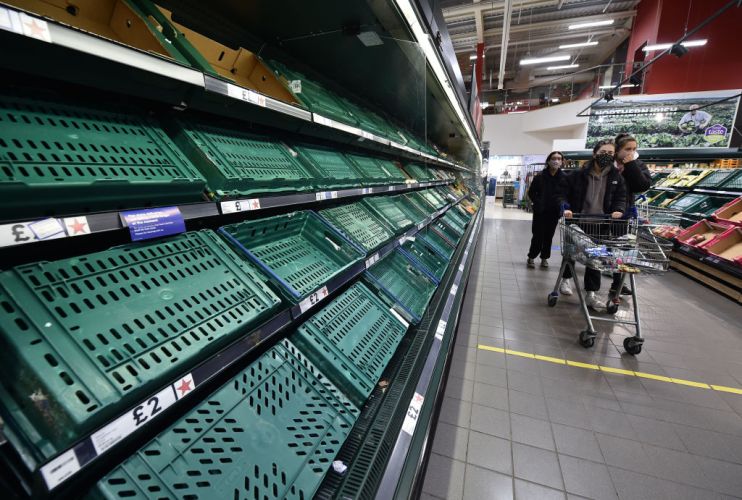
From the impact of COVID-19, to tariff wars between the US and China, and the uncertainty of Brexit, supply chain risk has become increasingly difficult, and important, to manage.
At the same time, increased geopolitical tensions have caused a growing concern about nation state espionage, which has put organisations under pressure from governments to “decouple” their technology supply chains. This has seen Western countries, such as the UK and US, move away from using Chinese technology – and vice versa – in an attempt to reduce cybersecurity risk.
However, decoupling supply chains is not easy, and can cause widespread disruption, especially if organisations must replace suppliers at short notice. Such risks require a careful review of company supply chain strategies, such as sole sourcing or China first approaches designed to minimize costs, or just in time inventory to optimize working capital.
The tradeoffs of such strategies have increased greatly and unlikely to decline for the foreseeable future.
Read more: Huawei: ‘Clear evidence’ of collusion with Beijing, MPs warn
Not just a problem for tech firms
A couple of years ago, there wasn’t much concern about security risks from foreign technology providers. But it is fast emerging as a consideration and is likely to become a point of non-compliance for many in the near future.
For example, as part of the Telecommunications Security Bill, Huawei has been banned from involvement in the UK’s 5G network. Telecommunications firms who fail to meet this requirement can face fines of up to 10% of turnover or more than £100,000 per day.
It’s not just telecommunications that will be impacted. A recent Bain report explains “the march toward decoupling will affect every company in the long run”, as digital transformation continues across all industries.
For organisations who rely on a single supplier for key goods or services – or suppliers from just one region – new regional bans could leave them scrambling to avoid supply chain disruptions. As such, it’s vital organisations ensure their supply chains are agile and able to adapt should further restrictions come into force.
Diversify to de-risk
To reduce the potential impact of supply chain decoupling, organisations must ensure supply chains are resilient to shocks.
Taking a portfolio approach is an effective strategy. That involves ensuring more than one supplier is in place, at least for critical goods and services. Identifying new suppliers once crisis strikes takes too long and can lead to rushed selection. The lack of existing relationships also decreases the chance of receiving priority for goods and services in short supply.
But having alternate suppliers in place is insufficient.
To be effective in ensuring agility, it is also critical to ensure alternate suppliers have diverse risk profiles. Having two or more suppliers in place does little to reduce risk of disruptions (and will normally involve higher costs than concentrating volumes with a single supplier) if all suppliers are exposed to the same risk.
Looking at geographic risk, European or America-based companies with suppliers in Wuhan were impacted in the early days of the pandemic, but having those with locally concentrated suppliers were still exposed later.
For example, by the time the first wave of COVID-19 was prevalent in the UK, organisations with largely local suppliers were heavily disrupted, while many suppliers in areas such as China were re-opening.
For example, UK factories in Vauxhall were forced to shut down in March during the pandemic, while Honda factories in Wuhan were reopening.
A China + 1 strategy, now being considered by many organisations, would have ensured greater resilience at all stages while also supporting lower costs.
Furthermore, that risk diversification must be assessed at the sub-tier level as well. Suppliers that seem to have diverse profiles may in fact be exposed to the same risks if they depend on the same suppliers.
For example, while only a small minority of the Fortune 1000 had suppliers in the Wuhan region when the pandemic struck, 96 per cent had Tier 2 suppliers there. Few had that visibility prior to the impact.
Read more: Chancellor Rishi Sunak: The City could be set for a post-Brexit Big Bang 2.0
Improve visibility to roll with the punches
To ensure that supply chains are diversified, organisations need complete visibility across their supply chain. This includes their suppliers’ suppliers and potential new suppliers, so they can spot potential weaknesses across the supply chain. For example, a cluster of critical partners all based in the same area.
This added visibility will also give organisations the ability to quickly identify new providers. Without the ability to see what’s happening across the entire supply chain, organisations will have a hard time deciding the next best course of action if asked to remove technologies from their supply chains.
Finally, flexibility is important for bringing on new suppliers is as fast as possible and cause minimal disruption. Taking a smart approach to procurement is vital, as it will improve efficiency in the onboarding process.
Once suppliers have been brought on digitally, they will also have access to improved communication and collaboration tools. This means they can work alongside organisations to identify and minimise risk together, forecasting demand and supply levels. Additionally, when sudden change in the supply chain is needed, shared processes, tools, and data can reduce the impact and the time it takes an organisation to adapt.
Prepared for anything
By taking a smart approach to procurement, organisations can bring together data from the business, suppliers and third parties, linking information to a single supplier record.
This 360-degree view of what is happening in near real-time will help organisations monitor for risk effectively, empowering them to make informed decisions and identify potential roadblocks ahead of time. Armed with complete knowledge across the breadth and depth of their supply chains, organisations can ensure greater resilience and minimize the risk of supply disruptions in the future.
Read more: Post-Brexit Special: Business leaders on the challenges of trading with the EU