Skip to content
Monday 14 September 2026London --:--Frankfurt --:--Zurich --:--
NewslettersSearchEN · DE · FR
MorningWire

European business, markets and politics

FTSE 100
10,706.80
+0.53%
DAX
25,433.56
-0.53%
CAC 40
8,130.10
-0.61%
STOXX 50
6,273.53
-0.82%
  • Europe
  • Markets
  • Business
  • Economy
  • Regulation
  • Politics
  • Opinion
More
GermanyFranceEU InstitutionsCompetitionPublic AffairsBankingTechnologyEnergy
  • Germany
  • France
  • Europe
  • Markets
  • Business
  • Economy
  • Regulation
  • Politics
  • Opinion
  • DE
Thursday 16 September 2021 11:00 am  |  Updated:  Tuesday 02 November 2021 2:53 pm

Technology could save our ailing healthcare systems – if only we can trust it

By: Ranjan Singh

Add as a preferred source on Google
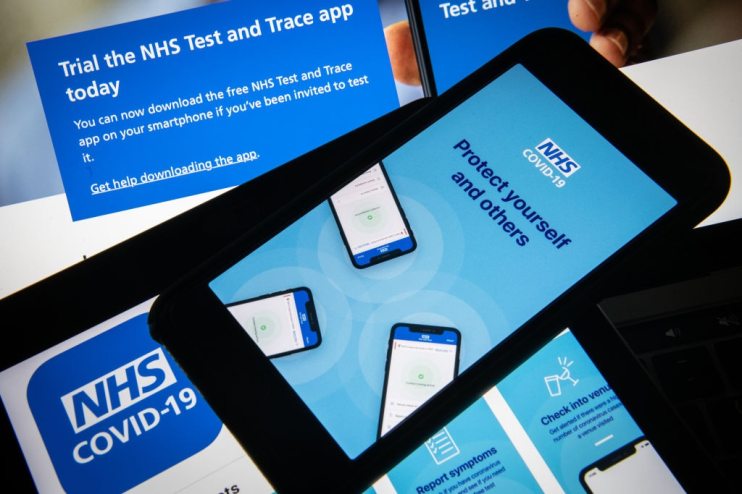
The increase in NHS spending could provide several opportunities for Kainos, which is involved in NHS digital transformation projects
The increase in NHS spending could provide several opportunities for Kainos, which is involved in NHS digital transformation projects.(Photo Illustration by Leon Neal/Getty Images)

The number of digital tools that promise to deliver better outcomes in healthcare are proliferating at a breathtaking pace. While healthtech promises to solve a lot of our woes, the speed of evolution is vastly outpacing the rules to ensure promises on efficacy – and safety – are kept. 

Online symptom checkers are widely used. These tools are used to help diagnose and triage patients more efficiently. Given many have been unable to attend in-person appointments with GPs, the adoption and reliance on symptom checkers has grown dramatically following the onset of the pandemic. When used properly, they can make a real impact on the patient experience and clinical capacity. They can also do the complete opposite if they return an inaccurate diagnosis, or recommend an unnecessary trip to the GP – or worse, A&E.

Online symptom checkers can be haphazard. Recent research has shown they gave the correct diagnosis on a first attempt in less than two in five cases – and they performed even worse when urgent treatment was required. Contrary to their purpose, these tools can increase, rather than reduce, our reliance on doctors – suggesting the use of primary care resources in 8 out of 10 of conditions that could be self-managed. 

There are high performing outliers, such as Doctorlink, one of the leading suppliers of the NHS’ digital consultations. The existence of these tools show how useful they can be when they are accurate. They can streamline healthcare systems, avoid unnecessary trips to the doctor and free up space for those who need it. With so much variance in accuracy across available tools, trust in even the most reliable tech can be undermined. 

One of the most notorious examples of shoddy healthtech which skirted validation is the ongoing hearings concerning Elizabeth Holmes, founder of healthtech startup Theranos. Amid claims that it would revolutionise the diagnosis of disease, the company was, at one point, valued at £6.5 billion based on Holme’s promise to develop technology to detect cancer and diabetes with just a few drops of blood. And while this is an extreme example, it nevertheless serves as a powerful reminder that the promise of innovative digital tools in healthcare must be rigorously tested and evaluated.

These tools have a real impact on people’s lives. For them to offer meaningful benefits – to patients and clinicians alike – users need to be able to trust them. Highly effective, accurate symptom checkers do exist, as evidenced by the findings of the report, but as it stands, a significant number also clearly perform significantly below standards than would normally be accepted in any other medical field. 

Healthcare is a high stakes game. As tools evolve and grow in popularity, we must continually test them. The emergency evaluation process we relied on for vaccines during the pandemic should be used as a source of inspiration. Rather than waiting years for the tech to reach its end point and looking at it in one dump of data, our regulators should be nimble enough to perform “rolling” validation of tech. 

Otherwise, like in other areas, the rigour of rules and guidelines will be undermined by their sheer age.

Read more

How the NHS backlog fuelled a private equity gold rush in UK health market

Private health insurance admissions continue to surge

Share this article

  • Facebook
  • X
  • LinkedIn
  • WhatsApp
  • Email

Similarly tagged content:

Sections

  • Opinion

Categories

  • Opinion

Trending Articles

  • Wetherspoon boss: ‘Not up to Burnham’ to choose who is on the high street 

  • Four interest rate hikes loom despite surprise economic growth

  • Reform hits back at Tory plan to ‘abolish inheritance tax’

  • Lotus, Porsche and Corvette: the best sports cars to buy in 2026

  • Burnham eyes youth minimum wage rethink as jobs crisis bites

More from Morning Wire

  • How the NHS backlog fuelled a private equity gold rush in UK health market

    Healthcare
    Private health insurance admissions continue to surge
  • Radiology Partners to Acquire Everlight Radiology, Creating a Global Leader in Teleradiology

    Business Wire
  • Ennov Appoints Oxana Pickeral as Chief Executive Officer

    Business Wire
  • Experian Brings Personalised Credit Scores to ChatGPT in a UK First

    Business Wire
  • Doctors union tops up £1m reserve pot for strikes

    Healthcare
    GettyImages 2246649047: Business professionals discussing strategy at a conference table, highlighting teamwork and collab...
  • Spire Healthcare overhauls board amid £1bn private takeover

    Business
    London Stock Exchange building exterior with financial district skyline, symbolizing global market activity and economic t...
  • ‘Broken promises’: Burnham under fire on cost-of-living plans as energy bills set to surge

    Politics
    Man in glasses and maroon jacket speaking, with out-of-focus figures in the background.
  • Top business group urges Healey to cut NICs to ‘solve Neets crisis’ 

    Economics
    Man in suit and red tie speaking at a podium to an audience in a modern building.
MorningWire

Independent European business, markets and political news for decision-makers.

Morning Briefing

Europe

  • Germany
  • France
  • EU Institutions
  • Europe

Business

  • Markets
  • Business
  • Economy
  • Regulation
  • Competition
  • Public Affairs

Editorial

  • Opinion
  • Editorial Policy
  • Corrections
  • Contact

Company

  • About Morning Wire
  • Privacy Policy
  • Terms of Use
  • Cookie Policy
© 2026 Morning Wire Ltd · Published by Morning Wire Media, Bahnhofstrasse 65, 8001 Zürich, Switzerland
Privacy · Terms · Cookies · Facebook