The congestion charge has saved us from the tyranny of highways

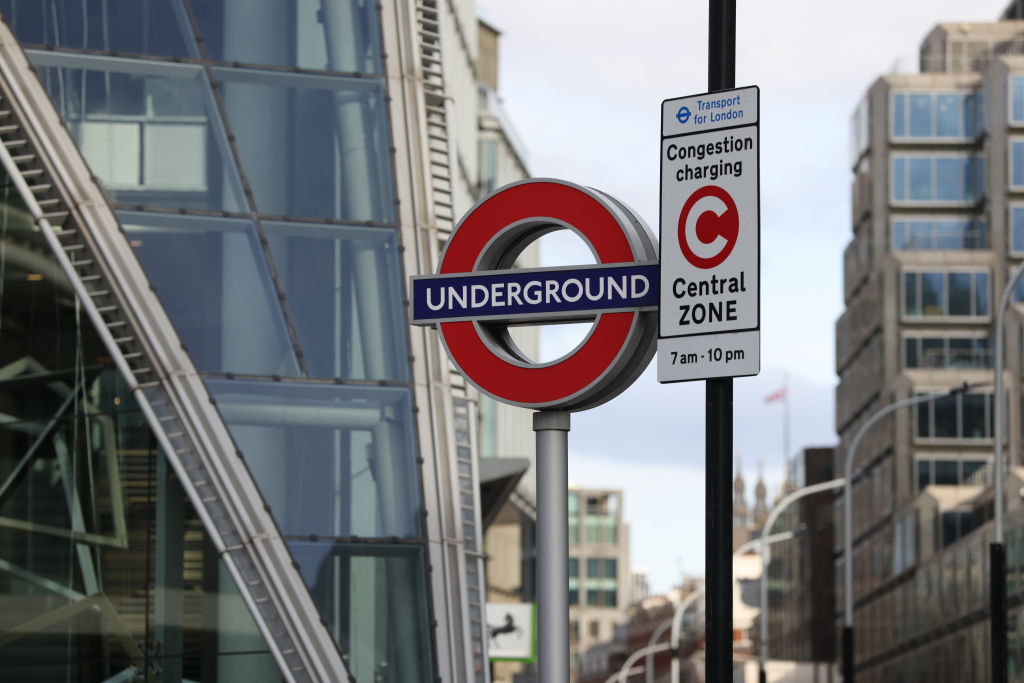
The congestion charge covers jsut 1.3 per cent of Greater London, but has led to a 30 per cent reduction in congestion, as well as a revenue stream for public transport, writes Adam Tyndall.
Congestion is a supply and demand problem – and the delays and inefficiencies it causes cost London’s economy £5bn every year. To tackle it there are two options: increase supply by building more roads or find ways to reduce demand. Attempts to do the former in major cities are a catalogue of mistakes and near misses. But there’s a growing body of evidence – including from the central London Congestion Charge which is twenty years old this week – that reducing vehicle demand for road space can bring substantial benefits for individuals and our cities.
The beaches that now cover the Voie Georges-Pompidou on the banks of Paris’ River Seine in summer, or Seoul’s Cheonggyecheon Highway, show how constraining supply can actually make cities work better. The latter is now a river and public space used by half a million people every week. Most interestingly, it also led to a reduction in traffic and – because it was such a popular policy – the subsequent removal of 15 other major roads from the city.
Neighbourhoods in Manhattan, central London, and Edinburgh’s Old Town all narrowly avoided the twentieth century roadbuilders’ bulldozers. Cincinnati was less fortunate. Interstate highways now take up around half of all the available downtown land. A quick glance at a map illustrates that supply side solutions aren’t really solutions.
If you still want more roads in a congested city like London, my question is where precisely are you planning to put them? Sure, there are important tactical interventions that can be made – for example, new river crossings to connect systemically deprived communities in East London – but more supply is never going to be a scalable solution.
Reducing means greater use of shared vehicles, from such as buses to taxis and car clubs; it means tax incentives for physically smaller private cars, more walking, cycling and scooting. And it means looking at strategies like consolidating deliveries for businesses in the same locale. These would all be good even if they didn’t reduce congestion. Shared vehicles require less parking space, smaller cars injure fewer people in collisions, active travel is healthier, and consolidation can lower costs. These aren’t one size fits all solutions, but they come without downsides and help.
The best single policy, however, is the congestion charge. Covering just 1.3 per cent of Greater London since February 2003, it has led to a 30 per cent reduction in congestion within the zone. With fewer vehicles entering and exiting central London, it also freed up nearby roads. And it provided a revenue stream that was reinvested into public transport and enabled London to grow without grinding to a halt. In short, it really worked.
And like Paris and Seoul, it’s enabled other improvements. When was the last time anyone suggested reopening the north side of Trafalgar Square to motor traffic? Or, for that matter, object to the 8 per cent reduction in air pollution and the 16 per cent reduction in carbon emissions that were a by-product of tackling congestion?
But any great city doesn’t stand still. There are more than 1.5 million extra people in the capital than there were when the congestion charge was introduced. And we’re expecting another 2 million by the middle of the century. That brings more traffic. In the eight years prior to the pandemic, the number of miles being driven on London’s roads increased by 18 per cent. This is unsustainable.
The Mayor wants a smart road user charging system by the end of the decade to tackle congestion and meet our environmental targets. The solution doesn’t need to be complicated. Why not replicate the central London Congestion Charge across Greater London? In Outer London, the charge would need to be substantially cheaper than in the centre, given the lower density of transport alternatives, but even a small charge would make people think twice about unnecessary and inefficient road journeys.
If London is to keep working, vehicle demand must be reduced. And, twenty years on, the Congestion Charge still provides a blueprint.