The cost of doing business amidst the culture wars is an entirely new question of risk

Mankind has long pondered the question of what it means to be good. Now corporate bodies are facing the same dilemma. Brand activism – the expectation on companies to be proactive drivers of social change – is here to stay. But getting the messaging right in the era of culture wars is difficult: it’s hard to please everyone and causing offence can sometimes lead to major disputes.
The majority of businesses exist with the one goal of making profit. The law has always provided mechanisms to protect consumers, shareholders and third parties against the wrongdoing of unscrupulous boards of directors. But with ESG credentials now getting much air time, it is increasingly hard for boards to know when they may be pursuing a policy that could get them into hot water.
The concept of corporate social responsibility has been around since the industrial revolution and has been used by companies as an internal standard. ESG benchmarks, on the other hand, provide an external measure of assessment of ethical credentials for investors and customers. Companies have always been expected not to do anything bad – or illegal. Now, they are also under pressure to take a stance on ethical issues.
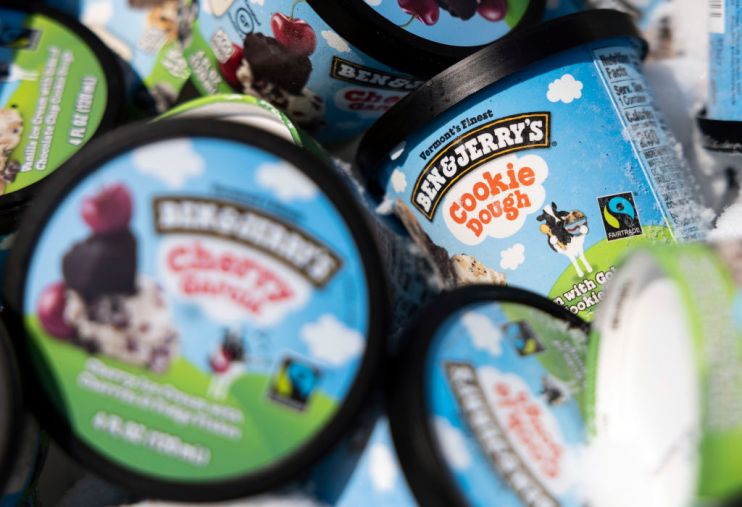
Where corporate ideologies conflict we find a recipe for disaster. Ben & Jerry’s and their parent company Unilever are the latest to learn this lesson. The ice cream maker sued Unilever following a dispute over selling its ice cream in the West Bank and East Jerusalem. When the brand said it would cease sales in apparent protest at Israel’s occupation, Unilever found itself in a difficult position with the local licensee and the Israeli government. Unilever ultimately sold the Israeli business to the licensee who continued to sell it. Ben & Jerry’s claim this is inconsistent with the terms of Unilever’s 2000 takeover, which allowed an independent board to retain control of the brand’s “social mission”.
Despite its careful attempt to appease all sides, as well as being embroiled in legal action from Ben & Jerry’s and the licensee, Unilever has found its share price impacted by the saga. That in turn could lead to shareholder action.
This trend will only increase with more regulation of companies’ ESG claims, public awareness of greenwashing and geo-political instability. Brands have always faced criticism for “selling out” when being acquired by big companies – for example with Coca-Cola’s acquisition of a stake in Innocent Smoothies. The Advertising Standards Agency has been fining businesses for greenwashing, not just when they make misleading claims about a product’s green credentials, but also when they’re not fully transparent. HSBC was fined for failing to point out its polluting activities when promoting the climate initiatives.
In an era of social media requiring immediate reaction to world events, brands are expected to take a stance and avoid criticism for being silent. But speaking out can be tricky – brands such as Nike faced criticism for professing support for Black Lives Matter but having no black board members.
Without objective benchmarks to compare against, what’s at stake for now is reputation. But as ESG regulation increases and companies are required to show their environmental purpose and commitment to diversity alongside traditional corporate governance, failure to make good promises could lead to legal action from customers and shareholders.
It is difficult for boards to protect against the risk of getting ESG messaging wrong. Due diligence on takeover targets or partners in the supply chain can help, but risks also lie in reacting quickly to developing situations. So we’ll keep on seeing more and more big corporate disputes, as businesses battle, just like humans have always done, to navigate wisely through evolving moral standards.