The Debate: Does the Renters’ Rights Act punish landlords?

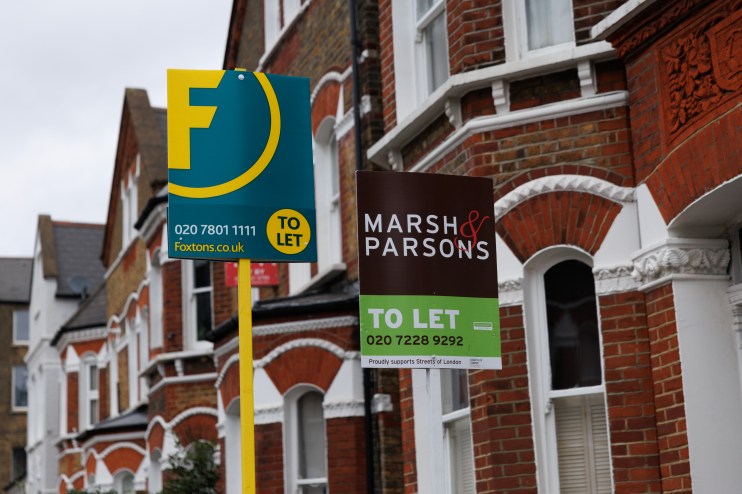
The Renters’ Rights Act has been described as the sector’s biggest shakeup in 40 years. Will it punish landlords, or just hold rogue ones to account? Read what the experts say in this week’s Debate
Yes: Smaller landlords are being forced to sell up under yet more red tape
Landlords have been punished for a long time. The Renters’ Rights Act 2025 is just the latest in a long line of legislative and financial blows that have continually eroded the incentives to provide rental housing in the UK.
Over the past decade, landlords have faced an almost constant barrage of new obligations and rising costs. From the Deregulation Act in 2015 and Right to Rent checks in 2016, through to the Tenant Fees Act of 2019 and tightening energy efficiency rules, the list keeps growing. Each reform brings more red tape, more administration and more cost – all while returns are squeezed by tax restrictions introduced from 2017 onwards that removed mortgage interest relief for many.
More recently, landlords have also been hit by higher buy-to-let mortgage rates, rising maintenance and service charges, and even a higher rate of stamp duty for additional dwellings. The Renters’ Rights Act adds yet another layer of compliance and enforcement risk. Its sweeping reforms may be well intentioned, but they will inevitably push up costs and reduce flexibility for those providing rental homes.
While the government claims this is about fairness for tenants, the reality is that smaller landlords – who make up the backbone of the sector – are being forced to sell up. The result will not be a fairer market, but a smaller and more expensive one. After years of constant reform, the message is clear: being a landlord in Britain has never been tougher.
Marc von Grundherr is a director at Benham and Reeves
No: Compliance and professionalism are not penalties, but hallmarks of a mature market
The Renters’ Rights Act 2025 does not punish landlords; it helps to modernise, stabilise and professionalise a sector that has long needed reform.
The idea that landlords are being driven out of the market simply doesn’t hold up. HMRC data shows that the number of unincorporated landlords declaring UK property income has remained broadly stable over the past five years, standing at around 2.86m in 2023/24 – only marginally below the 2022/23 peak. Professional landlords have already weathered years of regulatory change, from tighter tax relief rules to new safety standards, and yet the sector continues to adapt and endure.
Crucially, the Act targets the small minority of rogue or non-compliant landlords who exploit loopholes, ignore safety requirements and misuse eviction powers. The vast majority of professional landlords already meet or exceed the standards being introduced. By removing bad actors, the sector becomes more reputable, which ultimately benefits good landlords through improved trust and tenant confidence.
Predictability and transparency are positives, not punishments. The new periodic tenancy system gives flexibility to both sides and makes the process for repossession clearer and fairer, with legitimate grounds still protected – whether a landlord needs to sell, move in family or address serious rent arrears. Transparent rent increase mechanisms also give landlords greater foresight over yields and reduce the risk of disputes.
Moreover, tenant stability should be seen as an asset. Long-term, satisfied tenants mean fewer voids, lower turnover costs and better-maintained properties. Professional landlords already value this consistency, and the Act helps to normalise it across the market.
Finally, the legislation offers a reputational reset. Public sentiment towards landlords has been poor for years, but a fairer and more transparent rental system can start to change that. Compliance and professionalism are not penalties – they are the hallmarks of a mature, investable housing market.
In that sense, the Renters’ Rights Act is not a punishment but a long-overdue step towards a better, more balanced private rental sector for everyone.
Sam Humphries is head of M&A at Dwelly
THE VERDICT
Touted as the most significant shakeup of the rental market in almost 40 years, the Renters’ Rights Act has naturally divided opinion – chiefly between tenants, who the Act promises to empower, and landlords, who have had quite enough of red rape. First introduced last September, the bill has enjoyed its due share of parliamentary ping pong, but was granted royal assent this week. So, does the bill punish landlords, or just hold rogue ones to account?
Among the biggest changes to the sector heralded by the Act is the abolition of Section 21 ‘no-fault’ evictions, meaning landlords will have to rely on the courts in the case of rogue tenants – a risk that could deter some from entering the buy-to-let market (and consequently make the market worse for tenants too). But, as Mr Humphries argues, years of regulatory change has not seen a substantial fall in landlords in the past five years, with the sector still largely proving lucrative.
So yes, the Act will require higher standards from landlords and swing the balance of power a little, but it will also bring stability and transparency which should benefit the whole sector.